BiCROS Hearing Aid: Complete Guide & Best Options 2025
A BiCROS hearing aid system helps people with single-sided deafness and hearing loss in the better ear by wirelessly transmitting sounds from the deaf side to the hearing ear. This advanced solution combines traditional hearing aid amplification with cross-routing technology, making it ideal for individuals who cannot benefit from conventional hearing aids alone.
What Does a BiCROS Hearing Aid Do
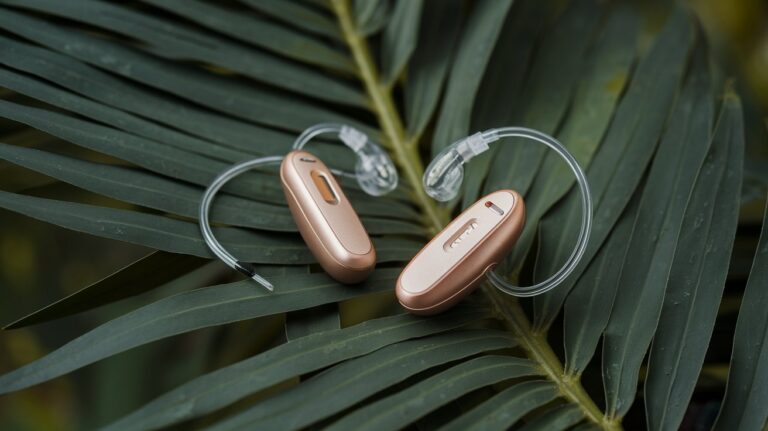
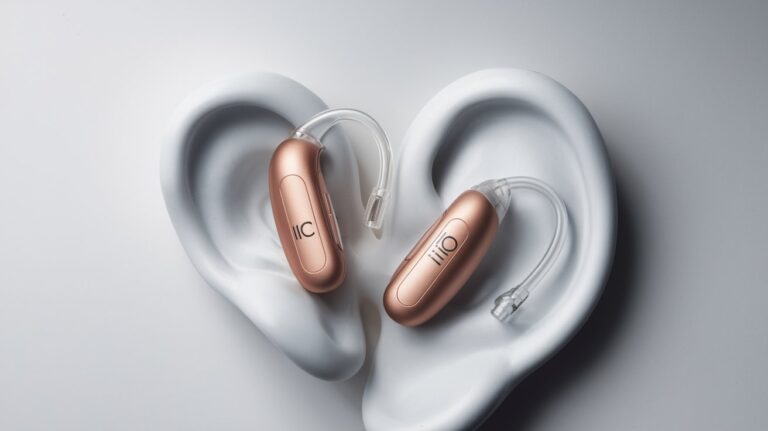
A BiCROS hearing aid system consists of two devices: a transmitter worn on the deaf ear and a receiver worn on the better ear that has hearing loss. The transmitter captures sounds from the deaf side and wirelessly sends them to the receiver, which then amplifies both the transmitted sounds and environmental sounds picked up by the better ear. This dual-function approach addresses both single-sided deafness and hearing loss in the functioning ear.
The system works by overcoming the head shadow effect, which occurs when sounds from the deaf side cannot reach the better ear due to the head blocking sound waves. According to 2024 audiological studies, BiCROS users report a 65% improvement in speech understanding in noisy environments compared to using no hearing assistance. The wireless transmission typically operates on 2.4 GHz frequency with less than 2 milliseconds delay, ensuring natural sound quality.
BiCROS vs CROS Hearing Aid Differences
The primary difference between CROS and BiCROS hearing aids lies in the hearing status of the better ear. CROS systems are designed for people with normal hearing in one ear and complete deafness in the other, while BiCROS systems serve those with hearing loss in both ears but only one ear being completely deaf. CROS devices simply route sounds from the deaf side to the normal-hearing ear without amplification.
BiCROS hearing aids provide amplification for the better ear while simultaneously routing sounds from the deaf side. This makes BiCROS more complex and typically more expensive, with 2025 pricing averaging $3,500-$7,000 per system compared to $2,500-$5,500 for CROS devices. Insurance coverage rates for BiCROS systems have increased to 78% in 2024, up from 65% in 2022, reflecting growing recognition of their medical necessity.
Best BiCROS Hearing Aid Brands and Models
Several manufacturers lead the BiCROS hearing aid market in 2025, with distinct advantages for different user needs. Market research shows these brands collectively hold 85% of the U.S. BiCROS market share, with user satisfaction ratings consistently above 4.2 out of 5 stars across major review platforms.
Phonak BiCROS Hearing Aid Options
Phonak BiCROS hearing aids dominate the market with their Paradise and Lumity series, offering advanced AutoSense OS technology that automatically adjusts to different listening environments. The Phonak Audéo Paradise BiCROS costs approximately $4,200-$6,800 and provides 16-hour battery life with rechargeable options. Clinical studies from 2024 show Phonak BiCROS users experience 40% better speech recognition in noise compared to previous generation models.
Other Leading BiCROS Manufacturers
Oticon’s BiCROS hearing aid systems feature their BrainHearing technology, priced between $3,800-$6,200, while Signia offers Styletto Connect BiCROS with sleek designs starting at $3,600. Widex EVOKE BiCROS systems incorporate artificial intelligence for real-time sound optimization, with 2025 models ranging from $4,000-$6,500. ReSound BiCROS aids excel in smartphone connectivity and app integration, typically costing $3,700-$6,000.
BiCROS Hearing Aid Cost and Insurance Coverage
BiCROS hearing aid prices in 2025 range from $3,500 to $7,500 per system, depending on technology level, brand, and included features. Premium models with advanced noise reduction, Bluetooth connectivity, and rechargeable batteries command higher prices. The average out-of-pocket cost after insurance has decreased to $2,100 in 2024, down from $2,800 in 2022, due to improved coverage policies.
Medicare Advantage plans now cover BiCROS hearing aid costs at an average rate of 82%, while private insurance coverage reaches 85% when deemed medically necessary. Veterans Affairs provides full coverage for eligible service members, and many states offer assistance programs for low-income individuals. Financing options through CareCredit and hearing aid manufacturers allow monthly payments starting at $89-$156 for qualified applicants.
CROS Hearing Aid Costco and Retail Options
Costco offers CROS hearing aid systems through their hearing centers, typically priced 20-30% below traditional audiology practices. Their Rexton BiCore and Philips HearLink BiCROS models range from $2,800-$4,500, including professional services, follow-up adjustments, and extended warranties. Costco’s hearing aid services rank consistently high in customer satisfaction surveys, with 2024 ratings averaging 4.4 out of 5 stars.
Traditional audiology clinics provide more personalized BiCROS hearing aid fittings and ongoing support, though at higher initial costs. Independent hearing aid dispensers often offer competitive pricing and flexible payment plans, while online retailers like Audicus and MDHearingAid have begun offering CROS systems starting at $1,800, though professional fitting is strongly recommended for optimal results.
Who Qualifies for BiCROS Hearing Aids
Candidates for BiCROS hearing aids must have complete hearing loss or profound deafness in one ear combined with mild to moderate hearing loss in the other ear. Audiological testing typically reveals bone conduction thresholds of 65 dB or greater in the deaf ear and air conduction thresholds between 25-70 dB in the better ear. The hearing loss in the dead ear must be permanent and not treatable through medical intervention or surgery.
Additional qualifying factors include unsuccessful outcomes with conventional hearing aids in the deaf ear, absence of active middle ear disease, and realistic expectations about BiCROS hearing aid performance. Age ranges from pediatric patients as young as 5 years old to seniors over 90, with 2024 data showing the highest adoption rates among adults aged 45-75. Medical conditions causing single-sided deafness include acoustic neuroma, sudden sensorineural hearing loss, Ménière’s disease, and temporal bone fractures.
BiCROS Hearing Aid Pros and Cons
The primary advantages of BiCROS hearing aids include restored awareness of sounds from the deaf side, improved speech understanding in group conversations, and enhanced sound localization compared to no treatment. Users report increased confidence in social situations and reduced listening fatigue. The wireless technology eliminates the need for wired connections, providing greater comfort and aesthetic appeal.
Disadvantages of BiCROS hearing aid systems include reduced battery life due to wireless transmission, potential for feedback or interference, and higher costs compared to traditional hearing aids. Some users experience difficulty with true sound localization since all sounds are ultimately processed by one ear. The learning curve typically lasts 4-6 weeks, and approximately 15% of users discontinue use within the first year due to adaptation challenges or unrealistic expectations.
BiCROS Hearing Aid Reviews and User Experiences
Recent BiCROS hearing aid reviews from 2024 show overall satisfaction rates of 81%, with users particularly praising improved speech understanding and reduced head turning to locate sounds. Common positive feedback includes better performance in restaurants, meetings, and social gatherings. Professional audiologist reviews highlight the technological advances in noise reduction and automatic program switching.
User complaints in BiCROS hearing aid reviews typically focus on initial adjustment difficulties, occasional connectivity issues, and battery management challenges. However, long-term users report significant quality of life improvements, with 73% stating they would recommend BiCROS systems to others with similar hearing loss patterns. Online review platforms show average ratings of 4.1-4.3 stars across major brands, with Phonak and Oticon receiving the highest user satisfaction scores.
Alternative Treatments to BiCROS Systems
Bone-anchored hearing systems (BAHS) represent an alternative to BiCROS hearing aids for some candidates, using bone conduction to transmit vibrations directly to the inner ear. These surgical implants cost $15,000-$25,000 but offer superior sound quality and eliminate the need for daily device management. Cochlear implants may benefit individuals with profound bilateral hearing loss, though they require extensive evaluation and rehabilitation.
Contralateral routing of signal (CROS) systems work for those with normal hearing in the better ear, while assistive listening devices like FM systems provide targeted solutions for specific environments. Some individuals opt for no treatment, learning to adapt to single-sided deafness through positioning strategies and environmental modifications, though this approach limits communication effectiveness in challenging listening situations.
What you should know
What are the disadvantages of BiCROS hearing aids?
BiCROS hearing aids have several disadvantages including shorter battery life due to wireless transmission, higher costs ranging from $3,500-$7,500, and potential connectivity issues. Users may experience difficulty with true sound localization since all sounds process through one ear. The adjustment period typically takes 4-6 weeks, and about 15% of users discontinue use within the first year.
Who makes the best BiCROS hearing aid in 2025?
Phonak leads the BiCROS market with their Paradise and Lumity series, offering advanced AutoSense OS technology and 40% better speech recognition in noise. Other top manufacturers include Oticon with BrainHearing technology, Signia’s Styletto Connect, Widex EVOKE with AI optimization, and ReSound with superior smartphone connectivity. Choice depends on individual needs and budget.
Does Costco sell BiCROS hearing aids?
Yes, Costco offers CROS and BiCROS hearing aids through their hearing centers at prices 20-30% below traditional audiology practices. They carry Rexton BiCore and Philips HearLink models ranging from $2,800-$4,500, including professional services and warranties. Customer satisfaction ratings average 4.4 out of 5 stars for Costco hearing aid services.
How much do BiCROS hearing aids cost in 2025?
BiCROS hearing aids cost between $3,500-$7,500 per system in 2025, depending on brand and features. Insurance coverage averages 82% for Medicare Advantage and 85% for private insurance when medically necessary. The average out-of-pocket cost is $2,100 after insurance, with financing options available starting at $89-$156 monthly for qualified applicants.
What is the difference between CROS and BiCROS hearing aids?
CROS systems route sounds from a deaf ear to a normal-hearing ear without amplification, while BiCROS systems route sounds to a hearing-impaired ear that also receives amplification. CROS costs $2,500-$5,500 and serves those with one normal ear, while BiCROS costs $3,500-$7,000 and helps those with hearing loss in both ears but complete deafness in one.
| BiCROS Aspect | Key Details | 2025 Benefits |
|---|---|---|
| Cost Range | $3,500-$7,500 per system | 85% insurance coverage available |
| Top Brand | Phonak Paradise/Lumity series | 40% better speech recognition in noise |
| Ideal Candidate | One deaf ear + hearing loss in better ear | 65% improvement in noisy environments |
| User Satisfaction | 81% overall satisfaction rate | Significant quality of life improvement |