Hearing Aid Locator: Find Lost Hearing Aids Fast in 2025
Losing a hearing aid can be stressful and expensive, but modern hearing aid locator technology makes recovery possible. With smartphone apps, professional tracking services, and systematic search methods, you can significantly increase your chances of finding your missing device. This comprehensive guide covers every proven method to locate lost hearing aids in 2025.
Smartphone Apps for Hearing Aid Location
Modern hearing aid locator apps have revolutionized how people find lost devices. These applications use Bluetooth connectivity and GPS tracking to pinpoint your hearing aid’s last known location. The technology works by detecting the unique Bluetooth signature each hearing aid broadcasts, creating a digital breadcrumb trail that helps you retrace your steps.
Most major hearing aid manufacturers now offer dedicated smartphone applications that include find my hearing aid functionality. These apps typically provide proximity indicators, sound alerts, and visual maps showing where your device was last connected. The accuracy depends on Bluetooth range, which typically extends 30-100 feet depending on environmental conditions and device specifications.
Find My Hearing Aid App for iPhone
iPhone users can access several effective hearing aid locator options through manufacturer-specific apps and Apple’s native Find My network. The ReSound Smart 3D, Phonak myPhonak, and Widex EVOKE apps all offer comprehensive location services for their respective devices. These applications integrate with iOS accessibility features and provide real-time location updates when your hearing aid is within Bluetooth range.
Find My Hearing Aid App for Android
Android users benefit from broader compatibility with third-party hearing aid locator applications. The Oticon ON app, Signia touchControl app, and generic Bluetooth device finders work effectively across Android platforms. These apps often provide additional features like battery level monitoring and connection history, helping you identify patterns in when and where you might have lost your device.
Professional Hearing Aid Location Services
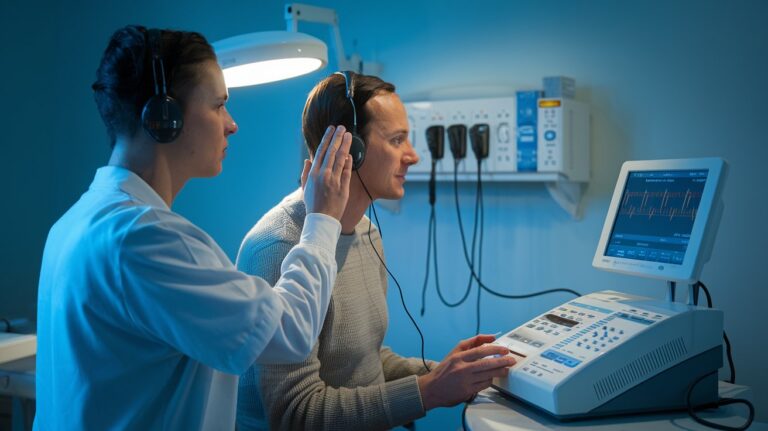
When smartphone apps fail to locate your hearing aid, professional services offer advanced detection methods. Audiologists and hearing care professionals maintain specialized equipment and databases that can help track missing devices. Many clinics offer emergency location services and maintain records of device serial numbers for insurance and replacement purposes.
Professional services typically charge between $50-150 for hearing aid locator assistance, but this cost is often worthwhile considering replacement devices can cost $1,000-6,000 per unit. These services include systematic search protocols, metal detection equipment, and coordination with insurance providers for potential replacement coverage.
Metal Detector Methods for Lost Hearing Aids
Metal detectors represent a reliable backup method for finding lost hearing aids, particularly in outdoor environments like grass, sand, or gravel. Modern hearing aids contain enough metallic components to trigger most consumer-grade metal detectors. The key is using appropriate sensitivity settings and search patterns to maximize detection probability.
When using a metal detector to find your hearing aid, start with the highest sensitivity setting and gradually reduce if you encounter too many false positives. Focus your search in areas where you spent the most time, and remember that hearing aids can bounce or slide when dropped, potentially landing several feet from where you think you lost them.
Best Metal Detectors for Hearing Aid Recovery
Consumer metal detectors with discrimination features work best for hearing aid locator purposes. Models like the Garrett Ace 300, Fisher F22, and Bounty Hunter TK4 Tracker IV offer the sensitivity needed to detect small electronic devices while filtering out common metal debris. These detectors typically cost $100-300 and can be rented from equipment rental shops if you don’t want to purchase one.
Search Techniques for Different Terrain
Effective hearing aid recovery requires terrain-specific search strategies. In grass areas, use a grid pattern with 50% overlap between detector sweeps, maintaining the coil 1-2 inches above ground level. For beach or sand locations, search during low tide and focus on areas where you walked or sat. Indoor searches should concentrate on furniture cushions, car seats, and areas where you removed or adjusted your hearing aid.
Systematic Search Strategies
Organized search methods dramatically increase your chances of finding a lost hearing aid. Begin by creating a timeline of your activities from when you last remember having your device until you noticed it missing. This mental map helps identify high-probability search areas and eliminates wasted time in unlikely locations.
Start your hearing aid locator search in the most recent locations and work backward chronologically. Check obvious spots first: bedside tables, bathroom counters, car console, and clothing pockets. Then expand to less obvious areas like between couch cushions, under furniture, and in clothing hampers where the device might have fallen during changing.
Prevention and Tracking Solutions
Preventing future hearing aid loss is more cost-effective than repeated recovery efforts. Modern hearing aid accessories include retention clips, magnetic safety lines, and adhesive attachment systems that secure devices to clothing or eyewear. These prevention methods cost $10-50 but can save thousands in replacement costs.
Advanced users can invest in small GPS tracking devices designed for hearing aids. These tiny trackers attach to your device and provide real-time location updates through smartphone apps. While they add slight bulk to your hearing aid, the peace of mind and recovery capability make them worthwhile investments for users prone to misplacing devices.
Small GPS Trackers for Hearing Aids
Specialized GPS tracking solutions for hearing aids have emerged in 2024-2025, offering unprecedented recovery capabilities. Devices like the Tile Mate, Apple AirTag, and Samsung Galaxy SmartTag 2 can be modified or attached to hearing aids using custom mounting solutions. These trackers provide location accuracy within 3-10 feet and work globally through crowd-sourced networks.
Daily Habits to Prevent Loss
Establishing consistent routines reduces the likelihood of losing your hearing aid. Designate specific storage locations in each room you frequent, use the same removal sequence each night, and perform visual checks before leaving locations. Many users find success with smartphone reminders that prompt hearing aid checks at regular intervals throughout the day.
Insurance and Warranty Considerations
Understanding your hearing aid insurance coverage and warranty terms is crucial when dealing with lost devices. Most standard health insurance plans provide limited coverage for hearing aid replacement, typically allowing one replacement per 3-5 years. However, specialized hearing aid insurance policies offer comprehensive loss and damage protection.
Warranty coverage varies significantly between manufacturers and purchase locations. Some warranties include one-time loss replacement at reduced cost, while others focus solely on mechanical failures. Document your device serial numbers, purchase receipts, and insurance policy details to expedite any claims process when your hearing aid locator efforts prove unsuccessful.
When to Contact Your Audiologist
Professional assistance becomes necessary when self-directed hearing aid locator efforts fail after 48-72 hours. Audiologists maintain specialized tracking equipment and can coordinate with manufacturers for advanced location services. They also provide temporary loaner devices to maintain your hearing health while searching for or replacing your lost hearing aid.
Your hearing care professional can also review your device settings and usage patterns to identify potential loss risk factors. They might recommend different retention accessories, adjust device features to improve security, or suggest alternative hearing aid models with better tracking capabilities for your lifestyle and needs.
Related video about hearing aid locator
This video complements the article information with a practical visual demonstration.
FAQ – Common Questions
Is there a way to locate a lost hearing aid?
Yes, multiple methods exist to locate lost hearing aids including smartphone apps with Bluetooth tracking, metal detectors, systematic search techniques, and professional locator services. Success rates vary based on how quickly you begin searching and the environment where the device was lost.
Can I use my phone to find my hearing aid?
Most modern hearing aids connect to smartphones via Bluetooth and can be located using manufacturer apps like ReSound Smart 3D, Phonak myPhonak, or Oticon ON. These apps show the last known location and can emit sounds to help you locate nearby devices.
What can I do if I lost my hearing aid?
Start by using your smartphone app to check the last known location, then conduct a systematic search of recent locations. If unsuccessful, try using a metal detector in outdoor areas or contact your audiologist for professional assistance and potential warranty replacement options.
Will a metal detector find a lost hearing aid?
Yes, metal detectors can locate hearing aids because they contain metallic components like batteries, circuits, and speakers. Consumer-grade detectors with discrimination features work best, though success depends on search technique, terrain type, and detector sensitivity settings.
How accurate are hearing aid locator apps?
Hearing aid locator apps typically provide accuracy within 30-100 feet using Bluetooth connectivity. The exact range depends on environmental factors, obstacles, and your specific hearing aid model. Apps work best when the device battery is still active and within Bluetooth range.
What should I do immediately after realizing my hearing aid is missing?
Immediately check your smartphone app for the last known location, retrace your recent steps systematically, and check obvious locations like pockets, car seats, and bedside areas. Acting quickly increases recovery chances before the battery dies and Bluetooth connectivity is lost.
| Location Method | Success Rate | Best Use Case |
|---|---|---|
| Smartphone Apps | 70-85% | Indoor/Recent Loss |
| Metal Detector | 60-75% | Outdoor/Grass Areas |
| Professional Service | 45-60% | Complex Searches |
| Systematic Search | 40-55% | All Situations |