Noise Induced Hearing Loss Prevention: Complete 2025 Guide
Noise induced hearing loss prevention is critical as over 22 million American workers are exposed to hazardous noise levels annually. This comprehensive guide reveals proven strategies to protect your hearing from permanent damage caused by excessive noise exposure in workplace and daily environments.
What is Noise-Induced Hearing Loss and Who is Affected
Noise-induced hearing loss occurs when exposure to loud sounds damages the delicate hair cells in your inner ear, leading to permanent hearing impairment. According to the CDC, approximately 40 million American adults aged 20-69 have hearing damage from excessive noise exposure. This condition develops gradually and is often unnoticed until significant damage has occurred.
The condition affects workers in manufacturing, construction, military, entertainment, and agriculture industries most severely. Causes of noise-induced hearing loss include prolonged exposure to sounds above 85 decibels or brief exposure to extremely loud sounds exceeding 120 decibels. Unlike age-related hearing loss, noise-induced damage is entirely preventable with proper protection and awareness.
Understanding How Noise Damages Your Hearing
Sound waves travel through your ear canal and cause your eardrum to vibrate. These vibrations move tiny bones in your middle ear, which then stimulate hair cells in your cochlea. When exposed to excessive noise, these hair cells become damaged or destroyed, and unlike other body cells, they cannot regenerate. This permanent damage results in hearing loss that cannot be reversed.
The severity of damage depends on three critical factors: the intensity of the sound, the duration of exposure, and the frequency of the noise. Noise-induced hearing loss is permanent because the damaged hair cells responsible for converting sound vibrations into electrical signals for your brain cannot repair themselves. This is why prevention is absolutely essential for maintaining your hearing health.
Recognizing Signs and Symptoms of Hearing Damage
Noise-induced hearing loss symptoms often develop gradually, making early detection challenging. Initial signs include difficulty understanding speech in noisy environments, frequently asking others to repeat themselves, and turning up the volume on electronic devices. You may also experience tinnitus, a persistent ringing, buzzing, or whistling sound in your ears.
Physical symptoms can include ear pain, fullness in the ears, and temporary hearing loss after noise exposure. Hearing loss typically affects high-frequency sounds first, making it difficult to hear consonants like ‘s,’ ‘f,’ and ‘th.’ If you notice these symptoms, seek immediate evaluation from an audiologist, as early intervention can prevent further damage.
Workplace Noise Protection Strategies
How can noise-induced hearing loss be prevented in the workplace involves implementing comprehensive hearing conservation programs mandated by OSHA. Employers must provide hearing protection when noise levels exceed 85 decibels over an 8-hour time-weighted average. Engineering controls like sound barriers, noise-dampening materials, and equipment modifications should be the first line of defense.
Administrative controls include rotating workers to limit exposure time, scheduling noisy operations during off-peak hours, and providing regular audiometric testing. Prevention requires both employer commitment and employee participation in following safety protocols consistently.
Personal Protective Equipment Selection
Choose appropriate hearing protection based on your specific noise exposure environment. Foam earplugs offer 15-30 dB noise reduction and work well for continuous noise exposure. Pre-molded earplugs provide better comfort for extended wear, while custom-fitted earplugs offer superior protection and comfort for daily use. Noise-canceling headphones combine passive and active protection, making them ideal for variable noise environments.
Proper Use and Maintenance of Hearing Protection
Incorrect use of hearing protection reduces effectiveness significantly. Insert foam earplugs by rolling them into a small cylinder, pulling your ear up and back, and inserting deeply into the ear canal. Allow the earplug to expand fully for maximum protection. Hearing protection must be worn consistently throughout noise exposure, as removing protection for even a few minutes can negate its benefits. Replace disposable earplugs daily and clean reusable devices according to manufacturer instructions.
Natural Hearing Loss Prevention Methods
How to prevent hearing loss naturally involves adopting lifestyle changes that support overall ear health. Maintain a healthy diet rich in antioxidants, omega-3 fatty acids, and vitamins A, C, and E to support inner ear circulation. Regular exercise improves blood flow to your ears, while avoiding smoking and limiting alcohol consumption protects delicate ear structures.
Practice the 60/60 rule for personal audio devices: listen at no more than 60% maximum volume for no more than 60 minutes at a time. Take regular breaks from noisy environments to allow your ears to recover. Natural protection also includes managing stress levels, as chronic stress can contribute to hearing loss through increased cortisol production.
Treatment Options and Recovery Possibilities
Noise-induced hearing loss treatment focuses primarily on preventing further damage and managing symptoms, as the condition is typically permanent. Hearing aids can effectively amplify sounds and improve communication for those with mild to moderate hearing loss. Advanced digital hearing aids offer noise reduction features and directional microphones that enhance speech understanding in challenging environments.
For severe cases, cochlear implants may be recommended. These electronic devices bypass damaged hair cells and directly stimulate the auditory nerve. Recovery time varies depending on the extent of damage, with some temporary threshold shifts recovering within 16-48 hours if noise exposure ceases immediately. However, permanent damage cannot be reversed with current medical technology.
Emerging Treatment Research
Current research focuses on regenerative medicine approaches, including stem cell therapy and gene therapy to restore damaged hair cells. Scientists are investigating growth factors that might stimulate hair cell regeneration and protective compounds that could prevent noise-induced damage. While these treatments show promise in animal studies, clinical applications for humans remain in development phases with no definitive timeline for availability.
Audiogram Testing and Monitoring
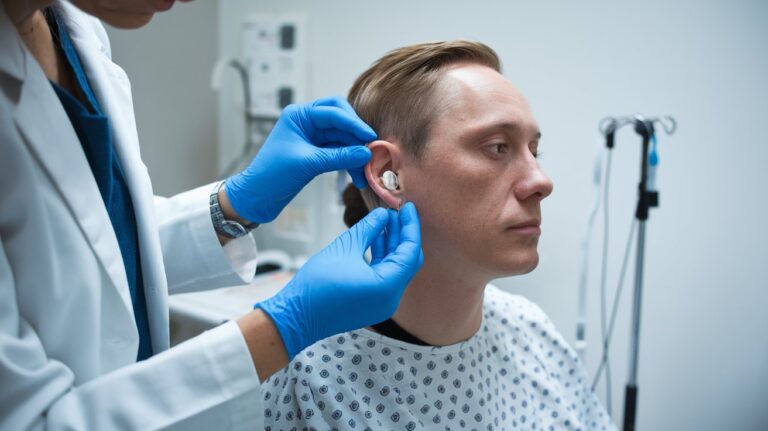
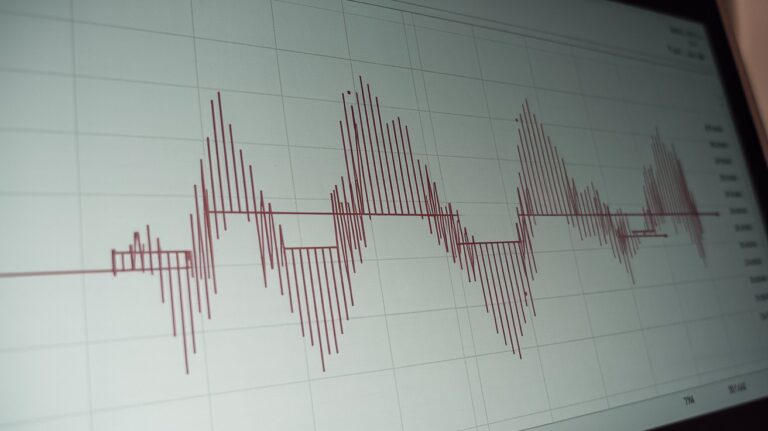
Regular audiometric testing is essential for early detection and monitoring of hearing changes. Noise-induced hearing loss audiogram patterns typically show a characteristic dip at 4000 Hz, indicating damage to hair cells sensitive to high-frequency sounds. Baseline testing before noise exposure and annual follow-up exams help track changes and adjust protection strategies accordingly.
Daily Life Noise Exposure Management
Beyond workplace protection, managing daily noise exposure is crucial for comprehensive hearing loss prevention. Common sources include traffic noise, construction activities, recreational activities like concerts and sporting events, and household appliances. Use smartphone apps to monitor noise levels in your environment, aiming to limit exposure to sounds above 85 decibels.
When attending loud events, position yourself away from speakers, take periodic breaks in quieter areas, and consider wearing discreet hearing protection. Noise exposure from lawn mowers, power tools, and kitchen appliances can be significant, so use appropriate protection during these activities. Create quiet spaces in your home where you can allow your ears to rest and recover from daily noise exposure.
2025 Statistics and Current Research Developments
Recent 2024-2025 studies indicate that noise-induced hearing loss rates have increased by 15% among younger Americans due to prolonged headphone use and urban noise pollution. The National Institute for Occupational Safety and Health reports that hearing loss costs the U.S. economy over $242 billion annually in lost productivity, medical expenses, and disability compensation.
Current research initiatives focus on developing better protective technologies, including smart earplugs that automatically adjust to noise levels and pharmaceutical interventions that might prevent noise damage. Prevention research emphasizes the importance of education and early intervention, as studies show that comprehensive hearing conservation programs can reduce occupational hearing loss by up to 80% when properly implemented.
Related video about noise induced hearing loss prevention
This video complements the article information with a practical visual demonstration.
What you should know
Can noise-induced hearing loss be prevented?
Yes, noise-induced hearing loss is completely preventable through proper protection and noise exposure management. Use appropriate hearing protection when exposed to sounds above 85 decibels, limit exposure time to loud environments, maintain safe distances from noise sources, and undergo regular hearing evaluations. Unlike other forms of hearing loss, noise-induced damage is 100% preventable with consistent protective measures.
What is the best treatment for noise-induced hearing loss?
The best treatment is prevention, as noise-induced hearing loss is typically permanent and irreversible. For existing damage, hearing aids are the most effective treatment option, providing amplification and speech enhancement features. Severe cases may benefit from cochlear implants. Tinnitus management therapies can help reduce ringing symptoms, while regular audiological monitoring helps track progression and adjust treatment plans.
Is it possible to reverse noise-induced hearing loss?
Currently, permanent noise-induced hearing loss cannot be reversed with available medical treatments. The damaged hair cells in the inner ear do not regenerate naturally. However, temporary threshold shifts from recent noise exposure may recover within 16-48 hours if further exposure is avoided. Research into hair cell regeneration and gene therapy shows promise but remains in experimental phases.
How long does it take for noise-induced hearing loss to develop?
Noise-induced hearing loss can develop gradually over months or years with repeated exposure, or occur immediately with extremely loud sounds above 120 decibels. Chronic exposure to moderate noise levels (85-90 dB) typically causes gradual damage over several years. Acoustic trauma from sudden loud noises can cause immediate permanent hearing loss. The recovery time for temporary effects is usually 16-48 hours maximum.
What noise level is considered dangerous for hearing?
Sounds above 85 decibels can cause hearing damage with prolonged exposure, while sounds above 120 decibels can cause immediate permanent damage. OSHA requires hearing protection when workplace noise exceeds 85 dB over 8 hours. Common dangerous noise levels include power tools (90-100 dB), concerts (100-115 dB), and gunshots (140+ dB). Even moderate levels become harmful with extended exposure duration.
How effective are earplugs in preventing hearing loss?
Properly fitted earplugs are highly effective, providing 15-30 decibels of noise reduction depending on the type and fit. Foam earplugs offer excellent protection when inserted correctly, while custom-molded earplugs provide superior comfort and consistent protection. The key is consistent use throughout noise exposure, as removing protection for even brief periods significantly reduces effectiveness. Regular replacement and proper maintenance ensure optimal protection levels.
| Prevention Method | Effectiveness Level | Key Benefit |
|---|---|---|
| Proper Hearing Protection | 15-30 dB Reduction | Immediate noise barrier |
| Noise Exposure Limits | 80% Risk Reduction | Prevents cumulative damage |
| Regular Audiometric Testing | Early Detection | Enables timely intervention |
| Engineering Controls | Source Elimination | Reduces overall exposure |
| Education and Training | Behavioral Change | Promotes consistent protection |