Veterans Hearing Aids: Complete Guide to VA Benefits 2025
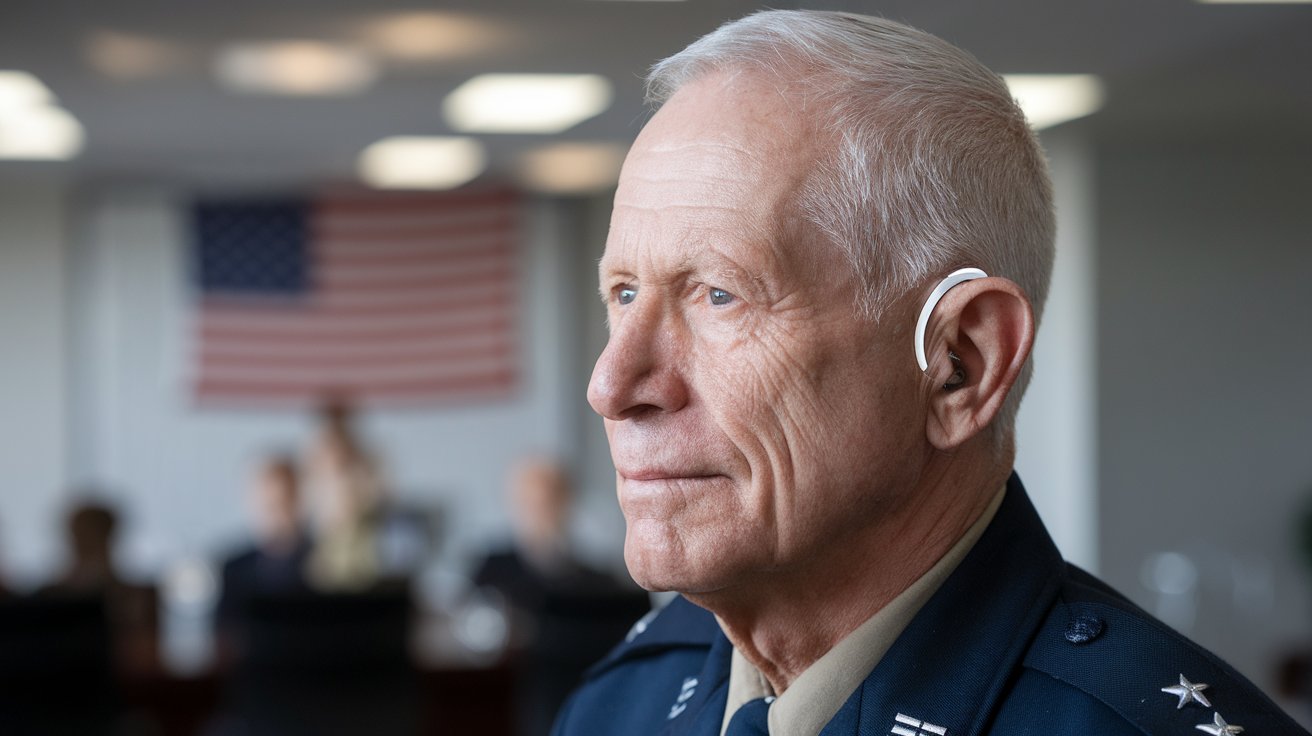
Veterans experiencing hearing loss can access free hearing aids through the Department of Veterans Affairs comprehensive hearing care program. In 2025, the VA provides hearing aids at no cost to eligible veterans with service-connected hearing conditions or those enrolled in VA healthcare. This guide explains how to obtain veterans hearing aids, eligibility requirements, and the complete application process.
VA Hearing Aid Eligibility Requirements for Veterans
To qualify for VA hearing aids, veterans must meet specific eligibility criteria established by the Department of Veterans Affairs. The primary requirement involves having a service-connected disability rating for hearing loss or tinnitus. Veterans with any percentage of service-connected hearing disability automatically qualify for free hearing aids and related audiological services. Additionally, veterans enrolled in VA healthcare who demonstrate medical need during hearing evaluations may receive hearing aids regardless of service connection status.
The VA prioritizes veterans based on their disability ratings and financial circumstances. Veterans with higher disability percentages receive priority scheduling for hearing aid services. Those without service-connected hearing conditions but enrolled in VA healthcare can still access hearing aids, though they may face longer wait times depending on local VA resources and capacity.
Service-Connected Hearing Loss Requirements
Veterans must establish a connection between their military service and current hearing difficulties to qualify for service-connected benefits. This involves providing military records, medical documentation, and undergoing VA hearing examinations. The VA rates hearing loss from 0% to 100%, with even a 0% rating qualifying veterans for free VA hearing aids and ongoing audiological care.
Non-Service Connected Veterans Eligibility
Veterans without service-connected hearing loss can still receive VA hearing aids if enrolled in VA healthcare and demonstrate medical necessity. These veterans must meet income requirements and may have copayment obligations depending on their priority group status. The VA evaluates each case individually to determine appropriate hearing aid coverage.
How to Apply for Veterans Hearing Aids Through the VA
The application process for veterans hearing aids begins with enrollment in VA healthcare if not already registered. Veterans must contact their local VA medical center to schedule an initial hearing evaluation with a VA audiologist. During this appointment, the audiologist conducts comprehensive hearing tests to determine the extent of hearing loss and appropriate treatment options. The entire process typically takes 30-60 days from initial contact to receiving hearing aids.
Veterans should gather relevant military service records, previous hearing test results, and current medical documentation before their appointment. The VA uses this information to expedite the evaluation process and determine the most suitable hearing aid brands and styles for each veteran’s specific needs and lifestyle requirements.
Initial VA Hearing Assessment Process
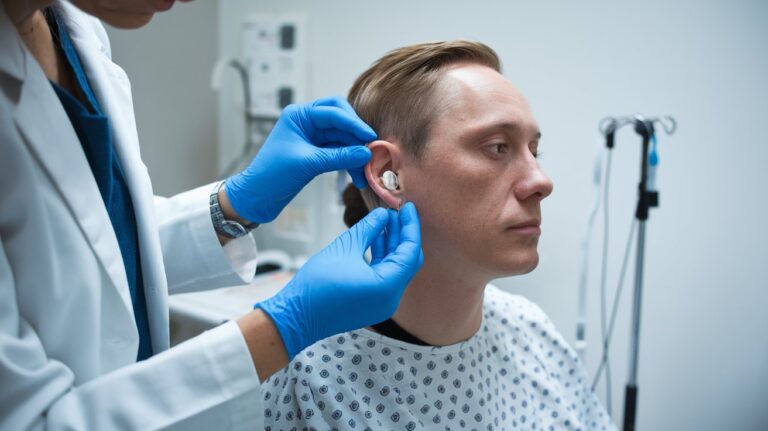
The VA hearing assessment includes pure tone audiometry, speech recognition testing, and tympanometry to evaluate middle ear function. Audiologists also assess veterans’ communication needs, lifestyle factors, and dexterity to recommend appropriate VA hearing aid models. This comprehensive evaluation ensures veterans receive devices that match their hearing loss patterns and daily activities.
Documentation Required for VA Application
Veterans must provide DD-214 discharge papers, any previous hearing test results, military medical records showing noise exposure, and current prescription medications. Additional documentation may include statements from family members about communication difficulties and employment records showing hearing-related job challenges. Complete documentation accelerates the VA hearing aid approval process significantly.
VA Hearing Aid Brands and Models Available in 2025
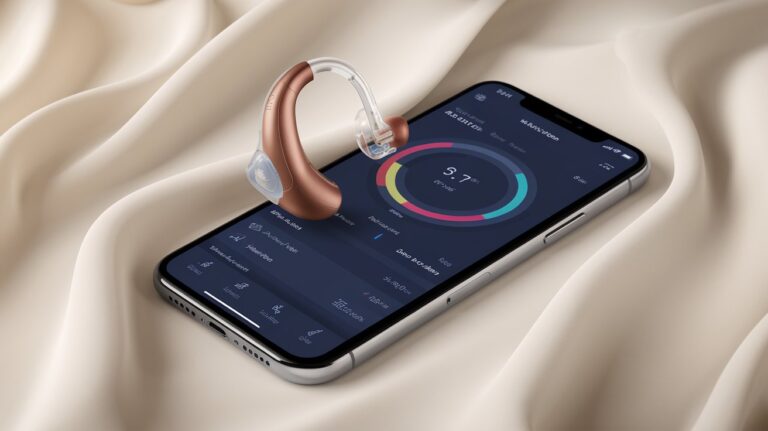
The VA contracts with leading hearing aid manufacturers to provide veterans with advanced digital hearing aids featuring the latest technology. Current VA hearing aid brands include ReSound, Phonak, Oticon, Widex, Signia, and Starkey. These manufacturers supply behind-the-ear, receiver-in-canal, and completely-in-canal models depending on veterans’ hearing loss severity and preferences. All VA hearing aids include wireless connectivity, smartphone compatibility, and rechargeable battery options.
In 2025, the VA emphasizes providing best VA hearing aids with artificial intelligence features, automatic environment adjustment, and telehealth compatibility. Veterans receive two hearing aids when bilateral hearing loss is present, along with comprehensive fitting services, follow-up appointments, and device maintenance training from certified VA audiologists.
VA Hearing Aid Costs and Financial Coverage
Veterans with service-connected hearing disabilities receive VA hearing aids at no cost, including the devices, batteries, accessories, repairs, and replacement parts. This comprehensive coverage extends to unlimited follow-up appointments, hearing aid adjustments, and professional cleaning services. Veterans without service-connected ratings may have copayment responsibilities based on their VA priority group and income level, though many still qualify for free services.
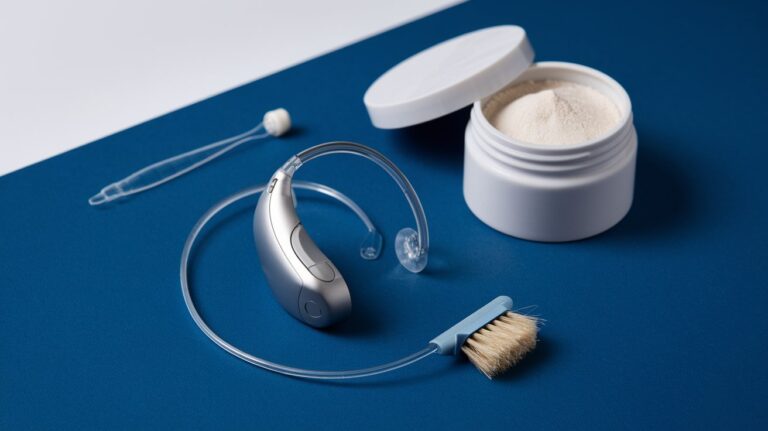
The VA covers all VA hearing aids costs associated with approved devices, including advanced features like smartphone apps, wireless accessories, and remote programming capabilities. Veterans also receive free batteries for the lifetime of their hearing aids, with mail-order delivery available for convenience. Annual hearing aid maintenance and cleaning services are provided at no charge to ensure optimal device performance.
Priority Group Coverage Differences
Veterans in Priority Groups 1-6 typically receive free VA hearing aids regardless of service connection status. Those in Priority Groups 7-8 may have copayment obligations, though these are often waived for essential hearing aids. The VA determines priority group placement based on disability ratings, income levels, and special circumstances like combat service or Purple Heart recipients.
Additional Services Covered by VA
Beyond hearing aids, the VA provides comprehensive audiological services including tinnitus management, hearing protection education, assistive listening devices, and communication strategy training. Veterans receive ongoing support through VA hearing aid centers with specialized staff trained in veteran-specific hearing challenges and treatment approaches.
VA Hearing Aid Replacement and Upgrade Policies
The VA replaces hearing aids every 4-5 years or sooner if medically necessary due to hearing changes or device malfunction. Veterans experiencing significant hearing deterioration can request earlier VA hearing aids replacement through their audiologist. The replacement process involves updated hearing evaluations to ensure new devices match current hearing needs and incorporate technological improvements available since the original fitting.
Emergency replacement services are available for lost, stolen, or severely damaged hearing aids. Veterans must report these incidents promptly to their local VA hearing aid center to receive temporary loaner devices while permanent replacements are processed. The VA maintains comprehensive records of each veteran’s hearing aid specifications to expedite replacement orders when needed.
VA Hearing Aid Centers and Local Provider Options
Veterans can access hearing aid services through VA medical centers, community-based outpatient clinics, and approved community care providers when VA facilities are unavailable locally. VA hearing aid centers near me can be located using the VA facility locator tool or by calling the VA’s main information line. Many VA facilities offer satellite hearing clinics in rural areas to improve access for veterans in underserved regions.
Community Care options allow veterans to receive VA hearing aid services from local audiologists when VA wait times exceed established standards or when geographic distances create access barriers. These providers must meet VA quality standards and use approved hearing aid brands to ensure veterans receive equivalent care quality regardless of service location.
Rural and Remote Area Services
Veterans in rural locations can access mobile VA hearing clinics, telehealth consultations, and expedited community care referrals. The VA operates traveling clinics that visit remote areas quarterly to provide on-site hearing evaluations and hearing aid fittings. Telehealth options include remote programming adjustments and virtual follow-up appointments to reduce travel requirements.
Emergency Hearing Aid Services
VA facilities provide emergency hearing aid repair and replacement services for critical situations. Veterans experiencing complete device failure can receive same-day loaner hearing aids while repairs are completed. Emergency services ensure veterans maintain communication abilities during medical emergencies, work situations, or family crises where hearing aids are essential.
VA Hearing Tests and Evaluation Procedures
VA hearing evaluations involve comprehensive testing protocols designed to assess veterans’ complete auditory system function. The testing process includes pure tone audiometry across all frequencies, speech understanding assessments in quiet and noisy environments, and middle ear function analysis. Veterans undergo these evaluations in soundproof booths using calibrated equipment maintained to strict VA standards for accuracy and reliability.
Follow-up hearing tests occur annually or more frequently if veterans report hearing changes. The VA maintains detailed hearing records to track progression and adjust treatment plans accordingly. These evaluations help determine optimal hearing aid programming and identify additional interventions like tinnitus management or assistive listening devices that may benefit individual veterans.
Veterans Tinnitus Treatment and Hearing Aid Integration
Tinnitus affects approximately 80% of veterans with hearing loss, making integrated treatment essential for comprehensive care. VA hearing aids for veterans include advanced tinnitus masking features, sound therapy programs, and environmental noise management to reduce tinnitus perception. The VA’s tinnitus retraining therapy programs work alongside hearing aid use to help veterans manage both conditions effectively.
Specialized tinnitus clinics within VA facilities provide comprehensive treatment combining hearing aids, counseling, relaxation techniques, and lifestyle modifications. Veterans receive personalized tinnitus management plans that integrate with their hearing aid treatment for maximum benefit. These programs have shown significant success in reducing tinnitus-related distress and improving veterans’ quality of life.
Related video about veterans hearing aids
This video complements the article information with a practical visual demonstration.
Most asked questions about veterans hearing aids
Can a veteran get free hearing aids from the VA?
Yes, veterans with service-connected hearing disabilities receive completely free hearing aids, including devices, batteries, repairs, and follow-up care. Veterans enrolled in VA healthcare may also qualify for free hearing aids based on medical need and priority group status, with most receiving services at no cost.
Who is eligible for free hearing aids from the VA?
Veterans with any percentage of service-connected hearing loss or tinnitus automatically qualify for free VA hearing aids. Additionally, veterans enrolled in VA healthcare who demonstrate medical necessity during hearing evaluations may receive free hearing aids regardless of service connection status.
What are the best hearing aids offered by the VA?
The VA provides premium digital hearing aids from top manufacturers including ReSound, Phonak, Oticon, Widex, Signia, and Starkey. These devices feature artificial intelligence, wireless connectivity, smartphone compatibility, rechargeable batteries, and automatic environment adjustment capabilities equivalent to the most advanced consumer models available.
How often can veterans get new hearing aids from the VA?
Veterans typically receive new hearing aids every 4-5 years through regular replacement cycles. However, the VA provides earlier replacement when medically necessary due to hearing changes, device malfunction, or significant technological improvements that would benefit the veteran’s communication needs.
How long does it take to get hearing aids from the VA?
The process typically takes 30-60 days from initial contact to receiving hearing aids. This includes scheduling the hearing evaluation, completing comprehensive testing, device ordering, fitting appointments, and follow-up adjustments. Emergency situations may receive expedited processing for faster service delivery.
Does the VA cover hearing aids for spouses of veterans?
No, VA hearing aid benefits are exclusively for eligible veterans. However, veteran spouses may qualify for hearing aid coverage through CHAMPVA if the veteran has a 100% permanent and total disability rating, or through their own insurance plans and Medicare benefits.
| Benefit Category | What’s Included | Veteran Advantage |
|---|---|---|
| Device Coverage | Premium digital hearing aids from top manufacturers | Latest technology at no cost |
| Ongoing Support | Unlimited adjustments, repairs, and batteries | Lifetime maintenance included |
| Replacement Policy | New devices every 4-5 years or when needed | Always current technology |
| Professional Care | VA audiologists and hearing specialists | Veteran-focused expertise |