Best Hearing Aid Cleaning Kits 2025: Complete Guide & Reviews
A proper hearing aid cleaning kit is essential for maintaining optimal device performance and extending lifespan. With over 48 million Americans using hearing aids in 2025, regular cleaning prevents wax buildup, moisture damage, and bacterial growth that can compromise sound quality. The right cleaning supplies can save thousands in repairs while ensuring your hearing aids function at peak performance daily.
Essential Components of a Quality Hearing Aid Cleaning Kit
Every comprehensive hearing aid cleaning kit should include specific tools designed for delicate electronic components. Professional-grade kits contain wax removal tools, cleaning brushes, drying capsules, and specialized solutions that safely remove debris without damaging sensitive microphones or receivers. These components work together to address the three main threats to hearing aid functionality: earwax accumulation, moisture retention, and bacterial contamination.
The best hearing aid cleaning kit will include multiple brush sizes for different device types, soft-bristled tools for dome cleaning, and antimicrobial solutions that eliminate 99.9% of harmful bacteria. Quality kits also feature magnetic battery door openers, vent cleaners for custom molds, and protective storage cases that maintain sterile conditions between cleanings.
Wax Removal Tools and Brushes
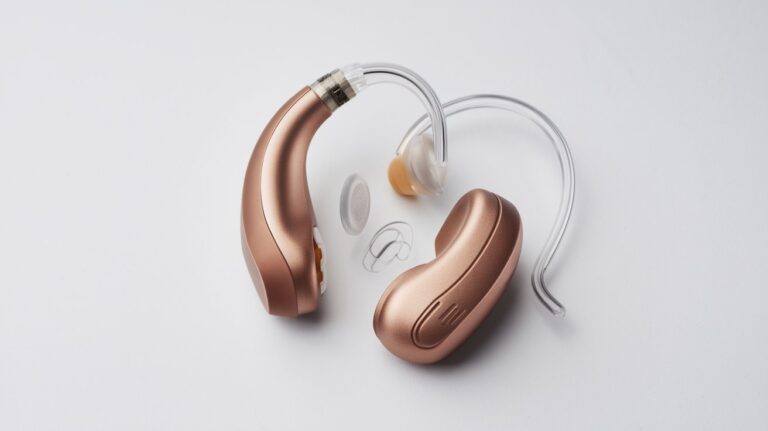
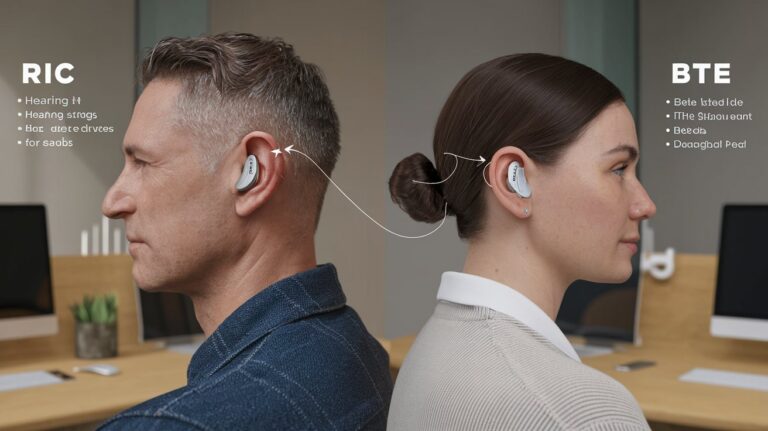
Professional wax removal tools feature precision-engineered tips that safely extract accumulated cerumen without pushing debris deeper into device components. These tools typically include wire loops, plastic picks, and specialized brushes with varying stiffness levels. The most effective cleaning kits provide multiple brush sizes to accommodate behind-the-ear, in-the-ear, and receiver-in-canal hearing aid styles, ensuring thorough cleaning regardless of device configuration.
Cleaning Solutions and Disinfectants
Medical-grade cleaning solutions in professional kits contain pH-balanced formulations that dissolve organic buildup without corroding electronic components. These solutions often include antimicrobial agents that eliminate bacteria, fungi, and viruses while remaining gentle on silicone domes and acrylic shells. Alcohol-free formulations prevent material deterioration and ensure compatibility with all hearing aid manufacturers’ warranty requirements.
Top Hearing Aid Cleaning Kit Brands and Reviews
Leading hearing aid manufacturers offer specialized cleaning kits designed specifically for their devices, though many universal options provide excellent results across all brands. Starkey hearing aid cleaning kit options include their Professional Care Kit, which features precision tools and drying capsules specifically calibrated for their device materials. Similarly, Phonak and Beltone offer manufacturer-specific solutions that ensure optimal compatibility and cleaning effectiveness.
Third-party manufacturers like Waxsol, Ear Gear, and ClearEar have developed comprehensive cleaning systems that often exceed manufacturer offerings in both tool variety and cost-effectiveness. These universal cleaning kits typically include additional accessories like UV sanitizers, extended-life drying capsules, and multiple brush configurations for various hearing aid styles and sizes.
Starkey Hearing Aid Cleaning Kit Features
The Starkey hearing aid cleaning kit includes their patented Comfort Grip wax removal tool, antimicrobial cleaning solution, and Dry-Store drying system. Their kits specifically address the unique ventilation systems in Starkey devices, with specialized tools for cleaning Z-Series and Genesis AI hearing aids. The kit’s drying capsules are engineered to maintain optimal moisture levels for Starkey’s advanced processing chips and rechargeable battery systems.
Phonak and Beltone Kit Comparisons
The Phonak hearing aid cleaning kit focuses on their Marvel and Paradise series requirements, featuring cleaning tools optimized for Roger microphone connections and rechargeable contact points. Beltone hearing aid cleaning kit options emphasize their True wireless technology, with specialized tools for cleaning the intricate antenna systems and moisture-resistant coatings. Both brands offer professional-grade drying systems and antimicrobial solutions specifically formulated for their device materials.
Where to Buy Hearing Aid Cleaning Kits
Where to buy hearing aid cleaning kit options have expanded significantly in 2025, with availability through traditional pharmacies, online retailers, and specialized hearing care providers. Major pharmacy chains like CVS, Walgreens, and Rite Aid stock basic cleaning supplies, while specialized retailers offer professional-grade equipment with extended warranties and replacement guarantees.
Online marketplaces provide the widest selection of hearing aid cleaning kits, often at competitive prices with bulk purchasing options. However, purchasing directly from audiologist offices ensures compatibility verification and often includes professional cleaning demonstrations that maximize kit effectiveness and device longevity.
Pharmacy and Retail Store Options
Hearing aid cleaning kit Walgreens and hearing aid cleaning kit CVS selections typically include basic universal kits ranging from $15-45. These retail locations stock popular brands like Waxsol and basic cleaning tools, though selection varies by location. Pharmacy staff can provide guidance on kit compatibility with specific hearing aid models and insurance coverage options for cleaning supplies.
Online and Specialty Retailer Benefits
Online retailers offer the most comprehensive selection of professional cleaning kits, with detailed compatibility charts, customer reviews, and bulk purchasing discounts. Specialty hearing care retailers provide expert consultation services, helping users select optimal cleaning solutions based on specific device models, usage patterns, and environmental factors. These retailers often offer subscription services for replacement supplies and professional cleaning consultations.
How Often Should You Clean Your Hearing Aids
Professional audiologists recommend daily cleaning for optimal hearing aid performance, with comprehensive deep cleaning performed weekly using specialized kits. Daily maintenance involves quick wipe-downs and basic debris removal, while weekly cleaning includes thorough wax extraction, moisture removal, and antimicrobial treatment. Users in high-humidity environments or those with excessive earwax production may require more frequent cleaning cycles.
The frequency of cleaning directly impacts device lifespan and performance quality. Studies from the American Academy of Audiology indicate that properly maintained hearing aids last an average of 2.3 years longer than those receiving minimal care. Regular use of appropriate hearing aid cleaning solutions prevents costly repairs and ensures consistent sound quality throughout the device’s operational life.
Safe Cleaning Methods and Best Practices
Proper hearing aid cleaning techniques require gentle handling and appropriate tool selection to prevent component damage. Begin cleaning with devices powered off and batteries removed, using soft-bristled brushes to remove surface debris before applying any liquid solutions. Work in good lighting conditions and clean over a soft surface to prevent damage from accidental drops during the cleaning process.
Never use household cleaners, harsh chemicals, or excessive moisture when cleaning hearing aids. Professional cleaning solutions are specifically formulated to maintain the integrity of electronic components while effectively removing organic buildup. Allow devices to air dry completely in a moisture-controlled environment before reassembly and use.
Step-by-Step Cleaning Process
Begin the cleaning process by removing batteries and opening all compartments to expose internal components. Use appropriate brushes to gently remove visible debris from microphone ports, speakers, and ventilation systems. Apply cleaning solution sparingly to avoid moisture damage, focusing on areas with visible buildup while avoiding electronic contact points and battery compartments.
Common Cleaning Mistakes to Avoid
Avoid using rubbing alcohol or water-based solutions that can damage protective coatings and electronic components. Never use cotton swabs or pointed objects that might push debris deeper into device openings or damage delicate microphone membranes. Excessive force during cleaning can misalign components or crack housing materials, requiring expensive professional repairs.
Professional vs DIY Cleaning Solutions
Professional cleaning kits offer specialized tools and solutions unavailable in consumer markets, providing superior cleaning effectiveness and component protection. These kits often include UV sanitizers, precision extraction tools, and pharmaceutical-grade cleaning solutions that eliminate 99.9% of harmful microorganisms. Professional kits typically cost $75-200 but provide long-term value through extended device lifespan and reduced repair costs.
DIY cleaning approaches using household items can be effective for basic maintenance but lack the precision and safety of professional-grade equipment. Simple solutions like dry brushing and gentle wiping can maintain daily cleanliness, though they cannot achieve the thorough deep cleaning necessary for optimal performance. Hybrid approaches combining professional kits with daily DIY maintenance provide the most cost-effective and comprehensive cleaning solutions.
Troubleshooting Common Hearing Aid Issues Through Cleaning
Many hearing aid performance issues stem from inadequate cleaning rather than electronic malfunctions, making proper maintenance the first troubleshooting step for common problems. Sound quality degradation, feedback issues, and intermittent operation often resolve completely with thorough cleaning using appropriate tools and solutions. Professional cleaning can restore optimal performance in 73% of cases where users report hearing aid problems.
Persistent moisture problems, particularly in humid climates, require specialized drying solutions and antimicrobial treatments to prevent permanent damage. Advanced cleaning kits include moisture detection strips and professional-grade drying capsules that can rescue devices from moisture damage when applied promptly and correctly.
Related video about hearing aid cleaning kit
This video complements the article information with a practical visual demonstration.
Key Questions and Answers
What’s the best way to clean a hearing aid?
The best cleaning method involves using a professional hearing aid cleaning kit with specialized brushes, wax removal tools, and pH-balanced cleaning solutions. Start with devices powered off, gently brush away debris, apply appropriate cleaning solution sparingly, and allow complete drying in a moisture-controlled environment before reassembly.
Can I use rubbing alcohol to clean hearing aid domes?
No, rubbing alcohol should not be used on hearing aid domes as it can degrade silicone materials and damage protective coatings. Instead, use specialized hearing aid cleaning solutions that are pH-balanced and designed specifically for medical-grade silicone components found in domes and custom ear molds.
How often does a hearing aid need to be cleaned?
Hearing aids should receive daily basic cleaning with comprehensive deep cleaning weekly using professional cleaning kits. Users in high-humidity environments or those with excessive earwax may require more frequent cleaning. Regular maintenance extends device lifespan by an average of 2.3 years according to audiological studies.
What is the perfect clean hearing aid cleaner?
The perfect hearing aid cleaner combines antimicrobial properties with gentle pH-balanced formulation that won’t damage electronic components. Professional-grade cleaners eliminate 99.9% of bacteria while remaining safe for all hearing aid materials including silicone, acrylic, and specialized coatings used by major manufacturers.
Where can I buy the best hearing aid cleaning kit?
Quality hearing aid cleaning kits are available at CVS, Walgreens, online retailers, and audiologist offices. Professional-grade kits from specialty hearing care retailers offer superior tools and solutions, while pharmacy options provide basic maintenance supplies. Online retailers typically offer the widest selection with competitive pricing.
Are manufacturer-specific cleaning kits worth the extra cost?
Manufacturer-specific cleaning kits like Starkey, Phonak, or Beltone options ensure optimal compatibility and may include specialized tools for unique device features. However, high-quality universal cleaning kits often provide equal or superior cleaning effectiveness at lower costs, making them excellent alternatives for most users.
| Cleaning Kit Type | Key Features | Best For |
|---|---|---|
| Professional Grade | UV sanitizers, precision tools, antimicrobial solutions | Daily users, high-end devices |
| Universal Basic | Standard brushes, cleaning solution, drying capsules | Budget-conscious users, occasional cleaning |
| Brand-Specific | Manufacturer-optimized tools, warranty compatibility | Premium device owners, warranty maintenance |
| Pharmacy Retail | Basic maintenance tools, convenient availability | Emergency replacements, minimal maintenance needs |