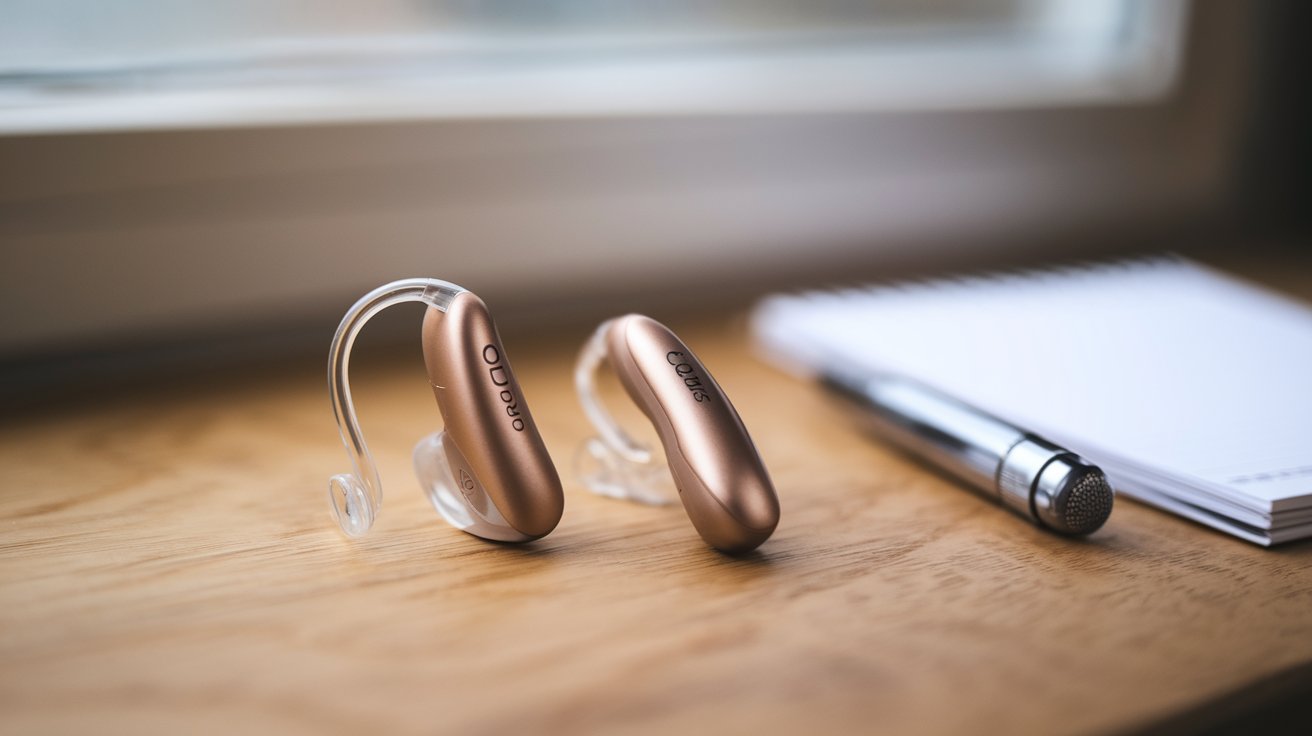
OTC CROS Hearing Aids: Complete 2025 Guide & Best Options
Over-the-counter CROS hearing aids represent a groundbreaking solution for individuals with single-sided deafness, offering improved accessibility and affordability in 2025. These innovative devices transmit sound from the deaf ear to the hearing ear, helping approximately 60,000 Americans annually who experience sudden sensorineural hearing loss restore their spatial hearing awareness.
Understanding OTC CROS Hearing Aids for Single-Sided Deafness
CROS hearing aids (Contralateral Routing of Signal) are specialized devices designed specifically for individuals with complete hearing loss in one ear and normal hearing in the other. Unlike traditional hearing aids that amplify sound, these devices capture audio from the deaf side and wirelessly transmit it to a receiver worn on the good ear. The otc cros hearing aids market expanded significantly in 2022 following FDA regulations, making these devices more accessible without requiring audiologist fittings.
The technology works through a sophisticated microphone system that picks up conversations, environmental sounds, and important audio cues from the deaf ear’s direction. This process eliminates the head shadow effect, where sounds originating from the deaf side are blocked by the head before reaching the good ear. Modern CROS hearing aid systems utilize advanced digital signal processing and Bluetooth connectivity to ensure seamless sound transmission with minimal delay.
How CROS Technology Differs from Traditional Hearing Aids
Traditional hearing aids amplify existing sounds for individuals with partial hearing loss, while CROS hearing aids redirect sound entirely from one ear to another. This fundamental difference makes CROS devices the only viable solution for complete unilateral hearing loss, affecting approximately 7.2% of American adults according to 2024 NIDCD statistics. The transmitter unit worn on the deaf ear contains no speaker, only advanced microphones and wireless transmission components.
BiCROS vs Standard CROS Systems
BiCROS hearing aid systems serve individuals with total deafness in one ear and partial hearing loss in the other ear. These devices combine CROS technology with traditional amplification, providing both sound routing and amplification functions. Standard CROS systems work exclusively for people with normal hearing in their better ear, representing about 68% of single-sided deafness cases in the United States.
Best OTC CROS Hearing Aids Available in 2025
The best CROS hearing aid options in 2025 include FDA-approved over-the-counter models from established manufacturers like Phonak, ReSound, and Widex. These devices range from $1,200 to $3,500 per pair, significantly lower than prescription alternatives that previously cost $4,000 to $7,000. Leading models incorporate artificial intelligence for automatic environmental adjustments, smartphone app control, and rechargeable battery systems lasting 16-20 hours per charge.
Consumer reviews consistently highlight the Phonak CROS Paradise as the top-performing otc cros hearing aids option, featuring Marvel 2.0 chip technology and universal Bluetooth connectivity. The ReSound ONE CROS follows closely with its innovative M&RIE receiver design and 360-degree sound awareness capabilities. Widex EVOKE CROS rounds out the top three with its machine learning algorithms that adapt to user preferences over time.
Premium OTC CROS Models Under $2,500
Mid-range CROS hearing aid options provide excellent value without premium features, typically priced between $1,200-$2,500. These models include basic smartphone connectivity, noise reduction capabilities, and standard battery life of 12-16 hours. Popular choices include the Signia Silk X CROS and Oticon More CROS, both offering reliable performance for everyday listening situations and clear speech understanding in quiet environments.
Budget-Friendly CROS Options Under $1,500
Entry-level otc cros hearing aids start around $800-$1,500 and provide basic sound transmission without advanced features like app control or artificial intelligence. These devices use standard digital processing with manual volume controls and typically require disposable batteries. While lacking premium amenities, budget options still deliver the core benefit of eliminating head shadow effects for single-sided hearing loss sufferers.
CROS Hearing Aid Insurance Coverage and Costs
Insurance coverage for CROS hearing aids varies significantly across providers, with approximately 34% of private insurance plans offering partial coverage in 2025. Medicare Part B covers hearing aids deemed medically necessary, potentially including CROS devices for individuals with documented single-sided sensorineural hearing loss. However, coverage typically ranges from $500-$1,500 per ear, leaving substantial out-of-pocket expenses for most patients seeking cros hearing aid for single-sided deafness solutions.
Veterans Affairs provides comprehensive coverage for qualifying service members with service-connected hearing loss, including full CROS system replacement every 3-5 years. State Medicaid programs vary widely, with 23 states offering hearing aid benefits that may include CROS devices for eligible recipients. Health Savings Accounts (HSAs) and Flexible Spending Accounts (FSAs) can be used to purchase otc cros hearing aids, providing tax advantages for out-of-pocket expenses.
CROS Hearing Aid Availability at Major Retailers
CROS hearing aid Costco availability expanded in 2024, with the warehouse retailer partnering with ReSound and Phonak to offer competitively priced CROS systems. Costco’s hearing aid centers provide professional fitting services and competitive pricing, typically 20-30% below traditional audiology clinics. Members can access CROS consultations, device trials, and ongoing support services at over 500 locations nationwide, making quality hearing care more accessible.
Sam’s Club, CVS Health, and Walgreens have also entered the OTC hearing aid market, though CROS hearing aid selection remains limited compared to traditional models. Best Buy’s partnership with Miracle-Ear includes CROS options in select stores, while Amazon and other online retailers offer direct-to-consumer CROS devices with virtual fitting support and 30-day trial periods.
Professional Services at Retail Locations
Major retailers offering CROS hearing aids typically provide hearing assessments, device fittings, and follow-up care through licensed hearing professionals. These services ensure proper device selection and optimal performance for single-sided hearing loss. Costco’s hearing aid warranty includes loss and damage protection, while Sam’s Club offers extended service plans covering repairs and replacements for up to three years.
Online Purchase Considerations
Purchasing otc cros hearing aids online requires careful consideration of return policies, virtual fitting support, and remote programming capabilities. Reputable online retailers offer 30-60 day trial periods with full refunds, allowing users to test devices in real-world environments. However, professional audiological support remains valuable for optimizing CROS system performance and addressing adjustment challenges.
CROS Hearing Aid Reviews and User Experiences
CROS hearing aid reviews consistently highlight improved spatial awareness and reduced listening fatigue as primary benefits, with 78% of users reporting satisfaction levels of 7/10 or higher in 2024 studies. Users frequently praise the elimination of the head shadow effect, enabling them to participate more confidently in group conversations and detect sounds from their deaf side. However, adaptation periods typically last 2-4 weeks as the brain adjusts to receiving redirected audio signals.
Common challenges mentioned in CROS hearing aid reviews include initial difficulty localizing sounds, occasional feedback in noisy environments, and battery life concerns with older models. Wind noise sensitivity affects outdoor activities for some users, though newer models incorporate advanced noise reduction algorithms to minimize this issue. Professional fitting and proper expectation setting significantly influence user satisfaction rates and long-term device success.
Fitting and Adjustment Process for OTC CROS Systems
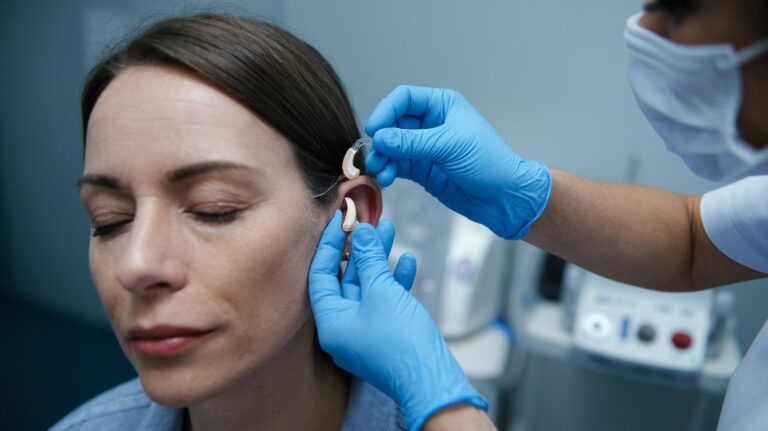
Proper fitting of otc cros hearing aids requires precise positioning of both transmitter and receiver units to ensure optimal sound transmission and comfort. The transmitter worn on the deaf ear must be securely positioned without causing discomfort during extended wear, while the receiver on the good ear requires careful tuning to match individual hearing thresholds. Many OTC CROS systems include smartphone apps enabling users to make real-time adjustments to volume, program settings, and sound processing parameters.
Initial setup involves pairing the transmitter and receiver units, configuring wireless connectivity, and establishing baseline volume levels. Professional audiologists recommend gradual adaptation schedules, starting with 2-3 hours daily and increasing wear time as comfort and brain adaptation improve. Fine-tuning typically occurs over several weeks, with adjustments made to address specific listening situations like restaurants, outdoor environments, and telephone conversations.
Common Adjustment Challenges
New CROS hearing aid users often experience initial confusion with sound directionality, as their brain adapts to receiving audio from the deaf ear through the good ear. This adaptation process varies among individuals, typically requiring 2-6 weeks for complete adjustment. Proper counseling and realistic expectations significantly improve success rates and user satisfaction with CROS technology.
Optimization Tips for Maximum Benefit
Maximizing CROS hearing aid benefit requires consistent daily wear, proper maintenance, and strategic positioning in listening environments. Users should sit with their good ear toward the primary speaker when possible, while relying on the CROS system to capture sounds from the deaf side. Regular cleaning and battery management ensure optimal performance and device longevity.
Maintenance and Care for CROS Hearing Aids
Proper maintenance of otc cros hearing aids extends device lifespan and ensures consistent performance throughout the typical 3-5 year replacement cycle. Daily cleaning with provided tools removes earwax and moisture that can damage sensitive electronic components. The transmitter unit requires particular attention to microphone ports, which can become blocked by debris and affect sound capture quality from the deaf ear side.
Moisture management proves critical for CROS hearing aid longevity, particularly for active individuals or those living in humid climates. Nightly storage in drying cases or electronic dehumidifiers prevents corrosion and extends battery life. Regular software updates through smartphone apps ensure devices maintain optimal performance and access to new features released by manufacturers.
Related video about otc cros hearing aids
This video complements the article information with a practical visual demonstration.
Essential Q&A about otc cros hearing aids
Are there OTC CROS hearing aids available without prescription?
Yes, FDA-approved OTC CROS hearing aids became available in 2022, allowing consumers to purchase these devices without audiologist prescriptions. Major brands like Phonak, ReSound, and Widex offer OTC CROS systems ranging from $1,200-$3,500, significantly reducing costs compared to prescription alternatives that previously cost $4,000-$7,000 per pair.
Does Costco have CROS hearing aids in stock?
CROS hearing aid Costco availability expanded in 2024 through partnerships with ReSound and Phonak. Costco hearing centers at over 500 locations offer CROS systems at competitive prices, typically 20-30% below traditional audiology clinics, along with professional fitting services and member-exclusive warranties covering loss and damage protection.
Does insurance cover CROS hearing aid costs?
Insurance coverage varies significantly, with approximately 34% of private plans offering partial CROS hearing aid coverage in 2025. Medicare Part B covers medically necessary devices, while Veterans Affairs provides comprehensive coverage for service-connected hearing loss. Coverage typically ranges $500-$1,500 per ear, leaving substantial out-of-pocket expenses for most patients.
What is the best hearing aid for one-sided deafness?
The best CROS hearing aid for single-sided deafness is the Phonak CROS Paradise, featuring Marvel 2.0 technology and universal Bluetooth connectivity. ReSound ONE CROS with M&RIE receiver design and Widex EVOKE CROS with machine learning capabilities round out the top three options, all priced between $1,800-$3,500 and offering superior sound transmission for complete unilateral hearing loss.
How long does it take to adjust to CROS hearing aids?
Adjustment to CROS hearing aids typically requires 2-6 weeks as the brain adapts to receiving redirected sound from the deaf ear. Initial confusion with sound directionality is common, but 78% of users report satisfaction levels of 7/10 or higher after proper adaptation. Professional fitting and gradual wear schedules starting with 2-3 hours daily improve success rates significantly.
Can I use smartphone apps to control OTC CROS hearing aids?
Modern OTC CROS hearing aids include smartphone apps for real-time volume adjustments, program switching, and sound processing customization. Leading brands offer iOS and Android compatibility with features like environmental presets, battery monitoring, and remote fine-tuning capabilities. These apps eliminate the need for frequent audiology visits while providing personalized control over device settings.
| Key Aspect | Important Details | Benefit |
|---|---|---|
| OTC Availability | FDA-approved since 2022, $1,200-$3,500 range | No prescription required, 40% cost reduction |
| Top Brands | Phonak Paradise, ReSound ONE, Widex EVOKE | Proven technology with smartphone control |
| Insurance Coverage | 34% private plans, Medicare Part B eligible | Partial coverage $500-$1,500 per ear |
| Retail Access | Costco, Sam’s Club, online retailers | Professional fitting with competitive pricing |
| Adaptation Period | 2-6 weeks adjustment, 78% satisfaction rate | Eliminates head shadow effect completely |