Best Noise Cancelling Hearing Aids 2025 | Complete Guide
Modern noise cancelling hearing aids combine advanced hearing amplification with sophisticated background noise reduction technology. These devices help millions of Americans enjoy clearer conversations and improved quality of life by filtering unwanted sounds while preserving important speech signals in challenging listening environments.
Understanding Noise Cancelling vs Noise Reduction in Hearing Aids
The distinction between noise cancellation and noise reduction in hearing aids is crucial for making informed purchasing decisions. Active noise cancellation uses microphones to detect environmental sounds and generates opposing sound waves to cancel them out, similar to premium headphones. This technology works exceptionally well for consistent, low-frequency sounds like airplane engines or air conditioning units.
Noise reduction hearing aids employ different strategies, including directional microphones that focus on sounds from specific directions while suppressing others. Digital signal processing algorithms analyze incoming sounds in real-time, distinguishing between speech and noise to enhance conversations while minimizing background interference. Modern hearing aids often combine both approaches for optimal performance.
Active Noise Cancellation Technology
Active noise cancellation in hearing aids utilizes sophisticated algorithms that process sounds within milliseconds. The technology proves most effective for reducing steady, predictable noises such as traffic hum, HVAC systems, and machinery. However, it’s less effective against sudden, irregular sounds like voices or footsteps.
Digital Noise Reduction Features
Digital noise reduction systems analyze sound patterns to identify and suppress unwanted background noise while preserving speech clarity. These systems continuously monitor the listening environment and automatically adjust settings based on detected sound characteristics, providing seamless transitions between different acoustic situations.
Best Hearing Aids to Reduce Background Noise in 2025
Leading manufacturers have introduced breakthrough technologies in 2025 that significantly improve background noise management. Phonak’s Paradise series continues to dominate the market with AutoSense OS 4.0, which automatically identifies and adapts to over 200 different listening situations. ReSound’s Smart 3D app allows real-time adjustments for optimal noise reduction in specific environments.
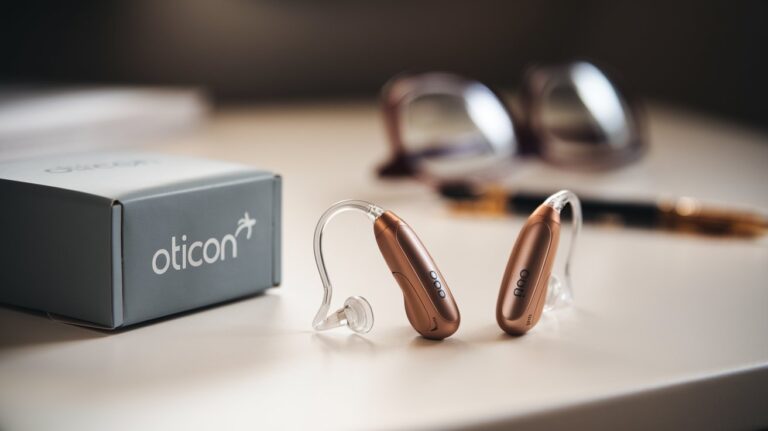
Oticon’s Deep Neural Network (DNN) technology processes sounds similar to how the human brain naturally handles audio information. This innovation helps users focus on desired sounds while block out irrelevant noise more effectively than traditional approaches. Signia’s Xperience platform introduces acoustic motion sensors that adjust noise reduction based on the wearer’s movement and head position.
Phonak Noise Cancelling Hearing Aids Features and Benefits
Phonak hearing aids lead the industry in noise management technology through their proprietary AutoSense OS system. The Paradise P90 model offers the most advanced noise cancellation features, including Speech Enhancer, which improves speech understanding in quiet environments, and Dynamic Noise Cancellation, which reduces steady-state noise by up to 15 dB.
Phonak’s Roger technology provides exceptional performance in challenging listening situations by transmitting the speaker’s voice directly to the hearing aids. This system proves particularly beneficial in restaurants, meetings, and other noisy environments where traditional noise cancelling alone isn’t sufficient. The Lumity series, released in late 2024, introduces SmartSpeech Technology that reduces listening effort by 16% compared to previous generations.
Noise Cancelling Hearing Aids for Tinnitus Management
Individuals suffering from tinnitus find significant relief through specialized noise cancelling hearing aids for tinnitus that combine sound amplification with tinnitus masking features. These devices generate customizable background sounds, including white noise, nature sounds, or tonal patterns that help mask the ringing or buzzing associated with tinnitus.
The combination of hearing amplification and tinnitus therapy proves highly effective because untreated hearing loss often worsens tinnitus symptoms. By improving overall hearing and providing targeted sound therapy, these devices address both conditions simultaneously. Widex Zen therapy and ReSound Relief programs offer comprehensive tinnitus management through their specialized hearing aids platforms.
Sound Therapy Options
Modern tinnitus-focused hearing aids offer multiple sound therapy options including fractal tones, white noise variations, and nature sounds. Users can customize these sounds through smartphone apps, adjusting volume and frequency characteristics to find the most effective masking combination for their specific tinnitus pattern.
Clinical Evidence and Effectiveness
Clinical studies from 2024 demonstrate that combination tinnitus therapy through noise cancelling hearing aids provides relief for 85% of patients within 6 months of consistent use. The dual approach of addressing hearing loss while providing targeted sound therapy shows superior outcomes compared to standalone treatments.
Specialized Hearing Aids for Shooting and Hunting
Hunters and shooting sports enthusiasts require specialized hearing aids with noise cancelling for shooting that provide instant protection from harmful gunshot noise while maintaining environmental awareness. These devices use compression technology that immediately reduces dangerous sounds above 85 dB while preserving important ambient sounds like approaching game or safety communications.
Electronic shooting hearing protection integrated with hearing aid technology offers the best of both worlds. Brands like Walker’s and Peltor manufacture devices specifically designed for shooters with hearing loss, combining amplification for mild sounds with instant suppression of loud noises. These systems respond within 0.5 milliseconds to protect hearing while maintaining situational awareness.
Real User Experiences: Reddit Reviews and Community Feedback
The Reddit community provides valuable insights into real-world performance of noise cancelling hearing aids through honest user reviews and experiences. Users consistently praise Phonak Paradise models for restaurant performance, with many reporting 70-80% improvement in speech understanding in noisy environments compared to older hearing aid technology.
Common complaints include battery life concerns with heavy noise processing use and initial adjustment periods lasting 2-4 weeks. However, users emphasize that persistence through the adaptation period yields significant improvements in quality of life. The hearing aid background noise issue, frequently discussed in forums, often resolves through professional fitting adjustments and fine-tuning sessions.
Professional Fitting and Optimization
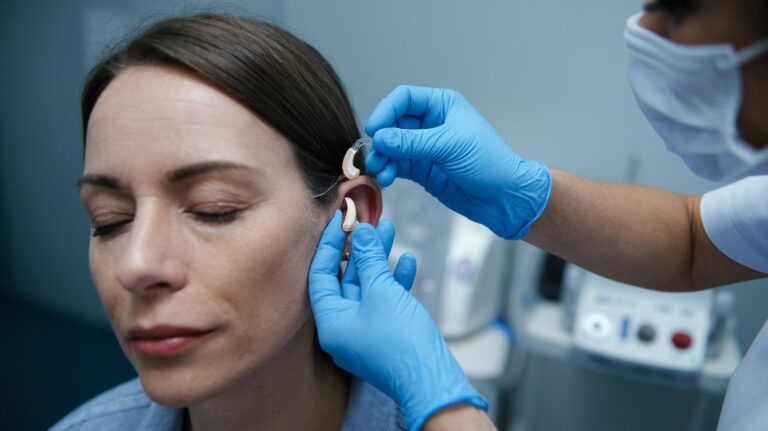
Proper professional fitting remains crucial for maximizing noise reduction effectiveness in modern hearing aids. Audiologists use Real Ear Measurement (REM) technology to verify that devices provide optimal amplification across all frequencies while maintaining effective noise suppression. This process ensures that noise cancelling features work harmoniously with hearing loss compensation.
Follow-up appointments typically occur at 2 weeks, 6 weeks, and 3 months after initial fitting to fine-tune noise cancelling algorithms based on user experiences in various environments. Advanced hearing aid fitting software allows audiologists to create custom programs for specific situations like restaurants, meetings, or outdoor activities where background noise presents unique challenges.
Cost Considerations and Insurance Coverage
Premium noise cancelling hearing aids typically range from $2,500 to $6,000 per device in 2025, with advanced models featuring the latest noise reduction technology commanding higher prices. Many insurance plans, including Medicare Advantage plans, now provide partial coverage for hearing aids, recognizing their importance for overall health and quality of life.
Veterans Administration benefits cover 100% of hearing aid costs for eligible veterans, including the most advanced noise reduction models. Private insurance coverage varies significantly, with some plans covering up to $2,500 per ear every 3-5 years. HSA and FSA accounts can be used for hearing aid purchases, providing tax advantages for those paying out-of-pocket.
Maintenance and Longevity of Noise Cancelling Technology
Proper maintenance ensures that noise cancelling hearing aids continue performing optimally throughout their 5-7 year lifespan. Daily cleaning with manufacturer-approved wipes removes earwax and moisture that can interfere with microphone sensitivity and noise processing algorithms. Professional cleanings every 6 months help maintain peak performance of sophisticated noise reduction circuits.
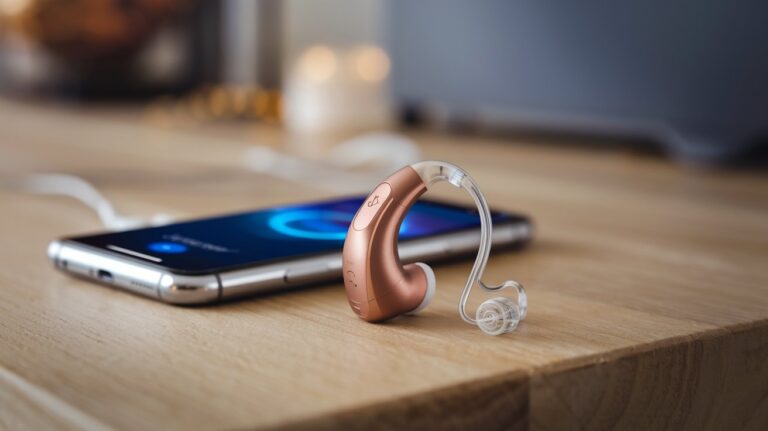
Battery management becomes particularly important with devices that perform extensive noise cancellation processing. Rechargeable lithium-ion batteries typically last 18-24 hours with moderate noise processing use, while heavy processing in extremely noisy environments may require charging every 12-16 hours. Regular software updates through smartphone apps ensure access to the latest noise reduction algorithm improvements.
Related video about noise cancelling hearing aids
This video complements the article information with a practical visual demonstration.
FAQ – Common Questions
Can hearing aids be noise-cancelling?
Yes, modern hearing aids incorporate advanced noise-cancelling technology that actively reduces background noise while amplifying important sounds like speech. These devices use directional microphones and digital signal processing to distinguish between desired sounds and unwanted noise, providing effective noise reduction in challenging listening environments.
Why is noise cancellation bad for your ears?
Noise cancellation itself isn’t harmful to your ears when properly implemented in hearing aids. However, over-reliance on noise cancellation can potentially reduce natural auditory processing abilities over time. Professional fitting and gradual adaptation help ensure that noise-cancelling features enhance rather than replace natural hearing capabilities.
Which hearing aids block out background noise best?
Phonak Paradise and Lumity series, Oticon Real, and ReSound One consistently rank highest for background noise reduction. These models feature advanced algorithms that can reduce background noise by 10-15 dB while preserving speech clarity, making them ideal for restaurants, meetings, and other challenging acoustic environments.
Which is better, noise-cancelling or noise reduction?
The best approach combines both noise-cancelling and noise reduction technologies. Active noise cancellation works best for steady, low-frequency sounds, while digital noise reduction excels at managing variable environmental sounds. Modern premium hearing aids integrate both technologies for comprehensive noise management across all listening situations.
Do noise cancelling hearing aids help with tinnitus?
Yes, noise-cancelling hearing aids specifically designed for tinnitus management can provide significant relief. These devices combine hearing amplification with customizable sound therapy features that help mask tinnitus symptoms while improving overall hearing. Clinical studies show 85% of users experience tinnitus relief within 6 months of consistent use.
How much do quality noise cancelling hearing aids cost?
Premium noise-cancelling hearing aids range from $2,500 to $6,000 per device in 2025. Insurance coverage varies, with Medicare Advantage plans and many private insurers providing partial coverage. Veterans Administration benefits cover 100% of costs for eligible veterans, and HSA/FSA accounts can provide tax advantages for out-of-pocket purchases.
| Technology Type | Best Use Cases | Key Benefits |
|---|---|---|
| Active Noise Cancellation | Steady background noise, travel, HVAC systems | Reduces consistent low-frequency noise by up to 15 dB |
| Digital Noise Reduction | Restaurants, meetings, variable environments | Enhances speech clarity while suppressing background chatter |
| Directional Microphones | One-on-one conversations, presentations | Focuses on sounds from specific directions |
| Tinnitus Masking | Tinnitus management, quiet environments | Provides customizable sound therapy for tinnitus relief |