Oticon Opn Hearing Aids Review: Prices, Features & Guide 2025
The Oticon Opn hearing aids revolutionized the hearing aid industry with groundbreaking open sound technology and internet connectivity. As one of the most advanced hearing aid systems available in the United States in 2025, Oticon Opn devices offer superior sound processing, wireless capabilities, and personalized hearing solutions for various degrees of hearing loss.
Understanding Oticon Opn Technology and Innovation
The Oticon Opn hearing aids represent a paradigm shift in hearing technology, introducing the revolutionary BrainHearing technology that works with your brain’s natural processes. Unlike traditional hearing aids that focus on a single sound source, Oticon Opn devices provide a complete 360-degree sound experience. The advanced Velox platform processes sound 50 times faster than previous generations, enabling users to participate naturally in conversations even in challenging listening environments.
The innovative OpenSound Navigator technology continuously analyzes the acoustic environment over 100 times per second, separating speech from noise without closing off surrounding sounds. This approach allows users to maintain spatial awareness while focusing on important conversations. In 2025, these features have been further refined to provide even more natural listening experiences for American users across diverse environments.
OpenSound Navigator Advanced Processing
The OpenSound Navigator system employs three key stages to optimize hearing: Analyze, Balance, and Noise Removal. During the analysis phase, the system identifies speech and noise sources in the environment. The balance stage preserves important spatial cues while the noise removal stage eliminates unwanted background noise without affecting speech clarity. This sophisticated processing enables users to follow multiple conversations simultaneously, a significant advantage in social settings.
Internet Connectivity and Smart Features
As the world’s first internet-connected hearing aid, Oticon Opn devices seamlessly integrate with smartphones, tablets, and smart home devices through the Oticon ON app. Users can stream phone calls, music, and audio directly to their hearing aids while accessing remote fine-tuning from hearing care professionals. The internet connectivity also enables automatic software updates, ensuring users always have access to the latest features and improvements.
Oticon Opn Models and Pricing Guide 2025
The Oticon Opn price varies significantly based on the specific model and technology level chosen. In the United States market for 2025, prices typically range from $2,800 to $6,500 per pair, depending on the performance tier and included features. The three main performance levels are Opn 1 (premium), Opn 2 (advanced), and Opn 3 (essential), each offering different levels of sound processing sophistication and environmental adaptability.
The Oticon Opn 1 price represents the premium tier, typically ranging from $5,200 to $6,500 per pair in 2025. This model includes the most advanced features such as full OpenSound Navigator technology, maximum noise reduction capabilities, and comprehensive connectivity options. The mid-tier Opn 2 generally costs between $3,800 and $4,800 per pair, while the entry-level Oticon Opn 3 price ranges from $2,800 to $3,500 per pair.
Oticon Opn S1 Premium Features and Cost
The Oticon Opn S1 represents the flagship model with enhanced speech understanding capabilities and superior noise management. Priced between $5,500 and $6,500 per pair in 2025, this model includes advanced features like MoreSound Intelligence, which provides 30% better speech understanding and 15% increased capacity to remember. The Opn S1 also offers improved battery life and enhanced streaming quality for multimedia applications.
Insurance Coverage and Financing Options
Many insurance plans in the United States provide partial coverage for Oticon hearing aids, typically covering $1,000 to $2,500 per device depending on the plan. Veterans Affairs benefits may cover the full cost for eligible veterans. Additionally, many hearing care providers offer financing plans with monthly payments ranging from $89 to $180, making these advanced hearing solutions more accessible to a broader range of users.
Oticon Opn User Manual and Setup Guide
The Oticon Opn 1 user manual provides comprehensive instructions for device operation, maintenance, and troubleshooting. Initial setup involves pairing the hearing aids with the Oticon ON app, customizing program settings, and adjusting volume controls. The manual emphasizes proper insertion techniques, daily cleaning procedures, and battery management for optimal performance. Users should familiarize themselves with the push button controls and program switching functionality outlined in the manual.
Daily maintenance procedures detailed in the Oticon Opn s1 manual include cleaning the microphone openings, replacing wax guards, and storing devices in a dehumidifying kit overnight. The manual also covers troubleshooting common issues such as feedback, connectivity problems, and sound quality concerns. Regular software updates through the Oticon ON app ensure users have access to the latest features and performance improvements.
Open Fit Hearing Aid Technology and Benefits
The open fit design of Oticon Opn hearing aids provides several advantages, including natural sound quality, reduced occlusion effect, and improved comfort for extended wear. This design leaves the ear canal largely unobstructed, allowing natural sounds to enter while amplified sounds are delivered through a thin tube or receiver. The open fit approach is particularly beneficial for individuals with mild to moderate high-frequency hearing loss who want to maintain their natural hearing in the low frequencies.
However, open fit hearing aids may have some limitations, including potential for feedback in certain situations, reduced effectiveness for severe hearing losses, and possible difficulty with very soft sounds. The open design may also allow wind noise to enter more easily, though Oticon’s advanced wind noise management system effectively addresses this concern. Users should discuss with their audiologist whether an open fit design is appropriate for their specific hearing loss configuration and lifestyle needs.
Advantages of Open Fit Design
The primary advantages of open fit hearing aids include natural sound quality preservation, reduced sensation of plugged ears, and improved acceptance for new hearing aid users. The open ear canal allows natural acoustics to reach the eardrum while providing amplification where needed. This design also reduces moisture buildup and improves air circulation, leading to better ear health and comfort during extended wear periods.
Considerations and Limitations
While open fit designs offer many benefits, they may not be suitable for all users. Individuals with severe to profound hearing loss may require more sealed fittings to achieve adequate amplification. Additionally, users in very windy environments may experience some challenges, although Oticon’s wind noise management technology significantly minimizes these issues. The open design may also be less effective for individuals who primarily struggle with low-frequency hearing loss.
Comparison with Oticon Intent and Other Models
When comparing Oticon Opn with the newer Oticon Intent system, users will find that Intent incorporates 4D sensor technology and enhanced brain hearing capabilities. The Oticon Intent represents the next evolution in hearing aid technology, building upon the foundation established by the Opn series. However, the Opn series remains highly relevant and effective for many users, particularly those seeking proven technology at potentially lower price points.
The Oticon Intent cost typically ranges from $3,200 to $7,200 per pair in 2025, positioning it as a premium option compared to most Opn models. Intent includes advanced features like user intent detection and automatic scene analysis that adapts to the user’s listening intentions. However, many audiologists still recommend Opn models for users who don’t require the most advanced features or prefer the established track record of the Opn technology platform.
Advanced Features and Technical Specifications
The Oticon hearing aids in the Opn series incorporate multiple advanced technologies beyond the core OpenSound Navigator system. The TwinLink wireless technology enables seamless communication between left and right hearing aids, providing synchronized processing and improved spatial awareness. The YouMatic LX personalization system learns user preferences and automatically adjusts settings based on individual listening patterns and environmental conditions.
Additional technical features include Feedback Shield LX technology that prevents whistling and feedback before it becomes audible, SpatialSound LX for improved localization abilities, and SpeechGuard LX that preserves speech clarity while providing necessary amplification. The Wind Noise Management system automatically detects and reduces wind noise while maintaining speech audibility, making these devices particularly effective for active users who spend time outdoors.
Battery Life and Charging Options
The Oticon Opn series offers both traditional battery and rechargeable options to meet diverse user preferences. Rechargeable models provide up to 24 hours of use on a single charge, including streaming time, while traditional battery models typically last 3-10 days depending on usage patterns. The rechargeable desktop charger provides a full charge in approximately 3 hours, with quick charging options available for users who need power boosts throughout the day.
Connectivity and App Integration
The Oticon ON app serves as the central hub for device management, allowing users to adjust volume, change programs, and access remote support from their hearing care professional. The app also provides battery status monitoring, usage statistics, and personalized hearing tips. Advanced users can create custom programs for specific listening environments and save preferred settings for easy access in similar situations.
Professional Fitting and Ongoing Support
Successful outcomes with Oticon Opn hearing aids depend significantly on proper professional fitting and ongoing audiological support. The initial fitting process includes comprehensive hearing testing, device programming, and extensive orientation to features and controls. Most hearing care professionals provide multiple follow-up appointments during the initial adjustment period to fine-tune settings and address any concerns or questions.
Ongoing support includes regular check-ups, software updates, maintenance services, and adjustments as hearing needs change over time. Many providers offer remote programming capabilities through the Oticon ON app, allowing for quick adjustments without requiring office visits. This comprehensive support system ensures users achieve optimal performance and satisfaction with their Oticon hearing aids throughout the device lifespan, typically 5-7 years.
Related video about opn hearing aids
This video complements the article information with a practical visual demonstration.
Key Questions and Answers
What are the disadvantages of open fit hearing aids?
Open fit hearing aids may experience feedback issues with severe hearing loss, allow wind noise to enter more easily, and may be less effective for low-frequency hearing loss. They can also be challenging to handle due to their small size and may not provide adequate amplification for profound hearing loss. However, advanced models like Oticon Opn address many of these concerns with sophisticated feedback management and wind noise reduction technologies.
How much does Oticon Intent cost compared to Opn models?
Oticon Intent typically costs between $3,200 to $7,200 per pair in 2025, while Oticon Opn models range from $2,800 to $6,500 per pair. The Intent represents newer technology with 4D sensors and enhanced brain hearing capabilities, but Opn models offer proven performance at potentially lower cost points, making them excellent value choices for many users.
What is an OPN device and how does it work?
An OPN device refers to Oticon Opn hearing aids that use revolutionary open sound technology. Unlike traditional hearing aids that focus on one sound source, OPN devices provide 360-degree sound processing through OpenSound Navigator technology that scans the environment 100 times per second. This allows users to participate naturally in conversations while maintaining awareness of surrounding sounds.
What is the #1 hearing aid in the world?
While different manufacturers claim top positions, Oticon Opn hearing aids are consistently ranked among the world’s best due to their innovative BrainHearing technology and open sound approach. The determination of the #1 hearing aid depends on individual needs, with factors like hearing loss degree, lifestyle, and personal preferences influencing the best choice for each user.
How do I access the Oticon Opn 1 user manual?
The Oticon Opn 1 user manual is typically provided by your hearing care professional during the fitting appointment. Digital versions are available through the Oticon website and the Oticon ON app. The manual covers device operation, maintenance procedures, troubleshooting tips, and safety information essential for optimal hearing aid performance and longevity.
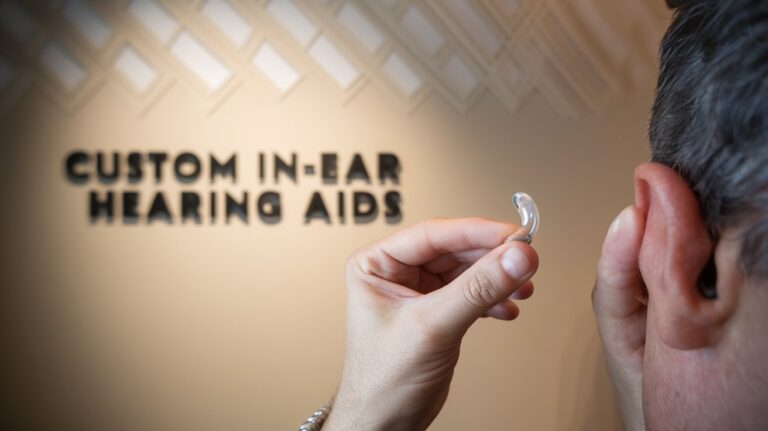
Are Oticon in ear hearing aids available and what do they cost?
Yes, Oticon offers custom in-ear hearing aid options in addition to behind-the-ear Opn models. Oticon in ear hearing aids prices typically range from $2,500 to $6,000 per pair depending on the technology level and custom features. These devices are molded to fit your specific ear shape and may include wireless connectivity and advanced processing capabilities similar to the Opn series.
| Key Aspect | Important Details | Benefit |
|---|---|---|
| OpenSound Navigator | Scans environment 100x per second | Natural 360-degree hearing experience |
| Internet Connectivity | First internet-connected hearing aid | Remote adjustments and streaming |
| Price Range 2025 | $2,800 – $6,500 per pair | Multiple options for different budgets |
| Open Fit Design | Natural sound preservation | Comfortable all-day wear |
| Battery Options | Rechargeable and traditional | Flexibility for user preferences |