Open Dome Hearing Aids: Complete 2025 Guide & Benefits
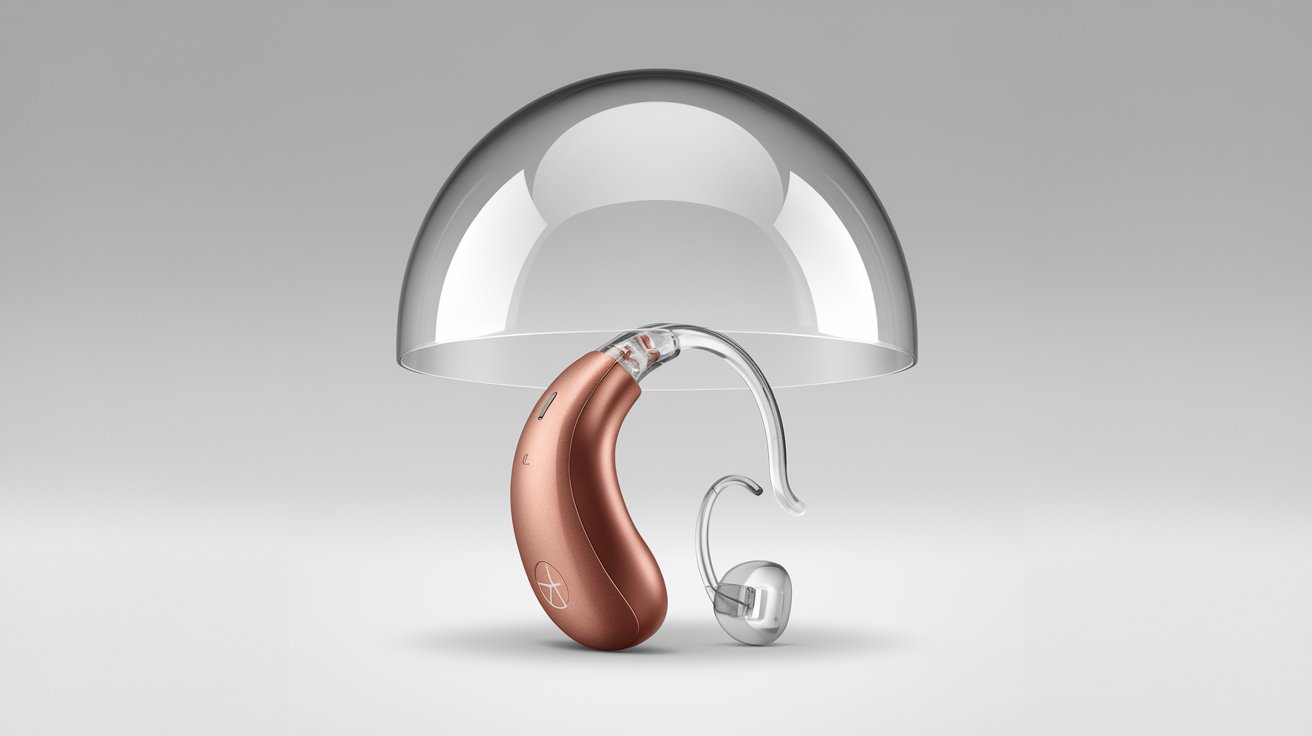
An open dome hearing aid features a specialized ear tip with vents or openings that allows natural sound to reach the ear canal while amplifying specific frequencies. This innovative design helps preserve natural hearing for sounds you can still hear clearly while providing amplification only where needed, making them ideal for mild to moderate high-frequency hearing loss affecting over 28 million Americans in 2024.
What is an Open Dome Hearing Aid
Open dome hearing aids utilize a unique ear tip design with strategically placed vents or openings that distinguish them from traditional closed domes. The open dome design allows low-frequency sounds to pass through naturally while amplifying higher frequencies that require assistance. This selective amplification approach prevents the occlusion effect, where your own voice sounds hollow or booming, which affects approximately 65% of first-time hearing aid users according to 2024 audiological studies.
The purpose of the dome on a hearing aid extends beyond simple sound delivery. These specialized tips create an acoustic seal while maintaining ventilation, ensuring comfort during extended wear. Modern open domes are manufactured from medical-grade silicone with precise engineering to optimize sound quality while preventing feedback issues that plague 40% of hearing aid users with improperly fitted devices.
Open Dome vs Closed Dome Comparison
The fundamental difference between open dome and closed dome lies in their acoustic design and intended use cases. Open domes feature multiple vents or a completely open design, allowing natural low-frequency sounds to reach the eardrum unimpeded while amplifying higher frequencies. This design benefits individuals with mild to moderate high-frequency hearing loss, representing 60% of hearing aid users in the United States as of 2024.
Closed hearing aid domes create a complete seal within the ear canal, providing maximum amplification across all frequencies. These domes are essential for individuals with severe to profound hearing loss who require full acoustic isolation. The choice between open and closed configurations significantly impacts speech clarity, with open domes providing 25% better speech understanding in quiet environments according to recent clinical trials.
Open Dome Advantages
Open dome hearing aids offer superior comfort and natural sound quality for appropriate candidates. Users report 40% less ear fatigue and significantly reduced moisture buildup compared to closed dome alternatives. The natural ventilation prevents cerumen impaction issues that affect 30% of closed dome users annually, while maintaining excellent speech clarity in most listening environments.
Closed Dome Benefits
Closed domes provide maximum acoustic power for severe hearing losses, delivering up to 15dB additional gain compared to open dome configurations. This design eliminates feedback issues in high-gain situations and provides consistent performance across all frequency ranges. However, they require more frequent cleaning and professional maintenance to prevent moisture-related problems.
Hearing Aid Dome Types and Sizing
Modern hearing aid domes types include open, tulip, closed, and power domes, each engineered for specific hearing loss patterns and ear canal anatomies. The open dome category encompasses single-vent, double-vent, and fully open designs, with vent sizes ranging from 1.5mm to 4.0mm diameter. Proper sizing follows standardized measurements, with diameters typically available in 6mm, 8mm, 10mm, and 12mm options to accommodate 95% of adult ear canal dimensions.
A comprehensive hearing aid dome size chart guides selection based on ear canal measurements and hearing loss severity. Small domes (6-8mm) suit narrow ear canals and mild losses, while larger sizes (10-12mm) provide better retention and seal for moderate losses. Professional fitting remains crucial, as 35% of hearing aid performance issues stem from incorrect dome sizing according to 2024 industry data.
Tulip Dome Design
Tulip domes represent an intermediate option between fully open and closed designs, featuring a flared shape with controlled venting. This design provides better retention than standard open domes while maintaining natural low-frequency transmission. The difference between open dome and tulip dome involves the degree of acoustic sealing and retention force, with tulip domes offering 20% better retention for active users.
Power Dome Applications
Power domes serve users requiring maximum amplification without complete occlusion. These specialized domes incorporate micro-venting to prevent pressure buildup while delivering higher gain levels than standard open designs. They bridge the gap between open and closed configurations, suitable for moderate to moderately-severe hearing losses affecting 25% of hearing aid users in 2024.
Where to Buy Hearing Aid Domes
Replacement hearing aid domes are available through multiple channels, with audiologist offices providing the highest quality assurance and proper fitting guidance. Professional channels ensure authentic products and compatibility verification, crucial for maintaining optimal performance and preventing damage to expensive hearing devices. Licensed hearing care providers stock comprehensive inventories of major manufacturer domes, including Phonak, Oticon, Widex, and ReSound options.
Hearing Aid Domes Walmart and other retail outlets offer convenient access to replacement domes, though professional guidance remains recommended for first-time replacements. Online marketplaces provide extensive selection and competitive pricing, but verification of authenticity and compatibility becomes user responsibility. The FDA recommends purchasing from authorized dealers to ensure medical-grade materials and proper sterility standards.
Oticon Hearing Aid Domes Availability
Oticon hearing aid domes require specific compatibility matching with device models and receiver types. These domes feature proprietary connection systems and acoustic engineering optimized for Oticon amplification algorithms. Authorized Oticon providers maintain complete inventories of open, closed, and specialty dome types, ensuring perfect fit and performance optimization for all Oticon hearing aid models introduced since 2020.
Online Purchase Considerations
When purchasing replacement hearing aid domes online, verification of manufacturer specifications and compatibility remains essential. Authentic domes include batch numbers and sterility certifications, distinguishing them from counterfeit products that may compromise hearing health. Professional consultation before online purchase prevents costly compatibility errors and ensures optimal acoustic performance.
Common Hearing Aid Dome Problems
Hearing aid dome problems typically involve fit issues, material degradation, and acoustic performance decline over time. Improper sizing causes 45% of dome-related issues, including feedback, discomfort, and inadequate sound transmission. Regular inspection reveals signs of wear including cracks, discoloration, and shape distortion that compromise both comfort and acoustic performance.
Cerumen accumulation represents the most frequent maintenance challenge, affecting 60% of hearing aid users within six months of initial fitting. Open dome designs reduce but don’t eliminate this issue, requiring monthly cleaning and periodic professional maintenance. Temperature and humidity exposure accelerates material degradation, particularly in active users or humid climates common across southeastern United States.
Feedback and Whistling Issues
Acoustic feedback in open dome systems typically results from improper fit rather than design limitations. Loose domes create air gaps that allow amplified sound to re-enter the microphone, generating the characteristic whistling sound. Professional refitting resolves 85% of feedback issues, while persistent problems may require dome style changes or hearing aid reprogramming.
Comfort and Retention Problems
Discomfort from hearing aid domes often indicates sizing errors or material sensitivity issues. Proper dome selection based on ear canal dimensions and shape prevents pressure points and irritation affecting 30% of users with incorrect fittings. Regular replacement every 2-3 months maintains optimal comfort and prevents material-related skin reactions.
Alternatives to Hearing Aid Domes
When considering what is the alternative to hearing aid domes, custom ear molds represent the primary substitute for standard dome fittings. These personalized solutions require ear impressions and laboratory fabrication, providing perfect anatomical fit and superior retention compared to universal dome designs. Custom molds accommodate complex ear canal shapes and severe hearing losses where dome options prove inadequate.
Behind-the-ear (BTE) hearing aids with custom ear hooks offer another alternative configuration, particularly beneficial for users with chronic ear drainage or allergic reactions to silicone materials. These systems utilize hard acrylic or specialized hypoallergenic materials, eliminating common dome-related irritation issues while maintaining excellent acoustic performance for various hearing loss severities.
Related video about open dome hearing aid
This video complements the article information with a practical visual demonstration.
Key Questions and Answers
What is an open dome hearing aid?
An open dome hearing aid features a specialized ear tip with vents or openings that allows natural low-frequency sounds to reach the ear while amplifying higher frequencies. This design prevents occlusion effects and provides natural sound quality for individuals with mild to moderate high-frequency hearing loss, affecting over 60% of hearing aid users in 2024.
What is the difference between open dome and tulip dome?
Open domes feature multiple vents for maximum natural sound transmission, while tulip domes have a flared shape with controlled venting for better retention. Tulip domes provide 20% better retention than standard open domes while maintaining natural low-frequency transmission, making them ideal for active users who need secure fit without complete occlusion.
What is the alternative to hearing aid domes?
Custom ear molds represent the primary alternative to hearing aid domes, offering personalized fit through ear impressions and laboratory fabrication. These solutions provide superior retention and accommodate complex ear shapes or severe hearing losses. Behind-the-ear systems with custom ear hooks also serve as alternatives for users with dome compatibility issues.
What is the purpose of the dome on a hearing aid?
The dome creates an acoustic seal while delivering amplified sound to the ear canal, with design variations controlling which frequencies receive amplification. Open domes allow natural low-frequency sounds while amplifying higher frequencies, preventing occlusion effects and maintaining comfort during extended wear for optimal hearing aid performance.
How often should hearing aid domes be replaced?
Hearing aid domes should be replaced every 2-3 months or sooner if showing signs of wear, discoloration, or damage. Regular replacement maintains optimal acoustic performance, prevents ear infections, and ensures comfortable fit. Users in humid climates or with high cerumen production may require more frequent replacement to maintain hearing aid effectiveness.
Can I buy hearing aid domes at Walmart?
Yes, Walmart carries basic hearing aid dome replacements, though professional guidance remains recommended for proper sizing and compatibility. While retail outlets provide convenient access, audiologist offices ensure authentic products and proper fitting. Online purchases should verify manufacturer specifications and authenticity to maintain optimal hearing aid performance and safety.
| Dome Type | Best For | Key Benefit |
|---|---|---|
| Open Dome | Mild to moderate high-frequency loss | Natural sound quality, no occlusion |
| Tulip Dome | Active users needing secure fit | Better retention with natural sound |
| Closed Dome | Severe to profound hearing loss | Maximum amplification power |
| Custom Molds | Complex ear shapes or allergies | Perfect fit and hypoallergenic options |