Custom Hearing Aids: Complete Guide & Costs 2025
Custom hearing aids represent the pinnacle of personalized hearing solutions, designed specifically for your unique ear anatomy and hearing loss pattern. Unlike one-size-fits-all options, custom hearing aids offer superior comfort, enhanced sound quality, and discreet styling tailored to individual needs. With costs ranging from $1,500 to $6,000 per device in 2025, understanding your options helps you make the best investment in your hearing health.
What Are Custom Hearing Aids and How They Work
Custom hearing aids are personalized hearing devices created from precise impressions of your ear canal and outer ear. Unlike standard hearing aids that use universal domes or ear tips, custom devices feature shells manufactured specifically for your unique ear anatomy. This individualized approach ensures optimal fit, comfort, and acoustic performance that cannot be achieved with generic solutions.
The manufacturing process begins with detailed ear impressions taken by an audiologist using medical-grade silicone material. These impressions capture every contour and dimension of your ear canal, allowing manufacturers like Starkey hearing aids and ReSound to create shells that fit perfectly. Advanced 3D scanning and printing technologies in 2025 have revolutionized this process, enabling even more precise custom fits with faster turnaround times.
Types of Custom Hearing Aid Styles
In-the-ear (ITE) devices fill the outer portion of your ear bowl and accommodate mild to severe hearing loss. ITE hearing aid price points typically range from $2,000 to $4,500 per device, making them a popular choice for first-time users seeking discretion and functionality. These devices offer longer battery life and easier handling compared to smaller custom styles.
Completely-in-Canal Custom Options
Completely-in-canal (CIC) and invisible-in-canal (IIC) styles represent the most discreet custom hearing aids available. These tiny devices sit deep within the ear canal, making them virtually undetectable to others. However, their small size limits battery life and may not accommodate severe hearing loss or individuals with narrow ear canals.
Custom Hearing Aids Cost Breakdown 2025
Custom hearing aids cost varies significantly based on technology level, brand, and included features. Entry-level custom devices start around $1,500 per aid, while premium models with advanced noise reduction and connectivity features can exceed $6,000 each. Most Americans invest between $3,000 to $8,000 for a pair of quality custom hearing aids in 2025.
Insurance coverage for custom hearing aids has improved significantly, with many plans now covering 50-80% of costs up to annual limits. Medicare Advantage plans increasingly include hearing aid benefits, while private insurance coverage varies by state and employer. Veterans Affairs provides comprehensive coverage for eligible service members, including premium custom options from manufacturers like Starkey and ReSound.
Premium Brand Pricing Comparison
Starkey custom hearing aids typically range from $2,800 to $6,200 per device, reflecting their reputation for innovative features and superior craftsmanship. ReSound custom models fall within similar price ranges, while newer direct-to-consumer brands offer custom options starting around $1,800 per aid. Premium features like rechargeable batteries, smartphone connectivity, and AI-powered sound processing command higher prices across all manufacturers.
Hidden Costs and Additional Expenses
Beyond the initial device cost, custom hearing aid ownership includes ongoing expenses for batteries, maintenance, and professional services. Annual maintenance costs typically range from $200 to $500, including cleaning, adjustments, and minor repairs. Replacement batteries for non-rechargeable models add $50 to $100 annually, though rechargeable options eliminate this ongoing expense.
Benefits of Custom-Made Hearing Aids
The primary advantage of custom hearing aids lies in their personalized fit, which eliminates common issues like feedback, discomfort, and device migration within the ear. Custom shells create a perfect acoustic seal, improving sound quality and preventing the whistling sounds often associated with poorly fitted hearing aids. This precise fit also enhances the effectiveness of advanced features like directional microphones and noise reduction algorithms.
Comfort represents another significant benefit, as custom hearing aid molds distribute pressure evenly across the ear canal surface. Users report wearing their custom devices for 12-16 hours daily without discomfort, compared to 6-8 hours typical with generic alternatives. This extended wear time directly correlates to better hearing outcomes and improved quality of life.
Superior Sound Quality and Performance
Custom shells optimize acoustic properties by eliminating air gaps that can cause sound leakage and feedback. This improved seal allows custom hearing aids to deliver fuller, richer sound with enhanced bass response and clearer speech understanding. Advanced signal processing works more effectively when combined with proper acoustic coupling achieved through custom fitting.
Durability and Longevity Advantages
Professional-grade materials used in custom hearing aid manufacturing offer superior durability compared to universal-fit alternatives. Custom shells resist cracking and wear patterns that commonly affect generic ear tips and domes. With proper care, quality custom hearing aids can function optimally for 5-7 years, providing better long-term value despite higher initial costs.
Leading Custom Hearing Aid Manufacturers
Starkey hearing aids leads the American custom hearing aid market with innovative designs and cutting-edge technology. Their Evolv AI series features advanced artificial intelligence that adapts to listening environments automatically, while their custom shells utilize proprietary materials for enhanced comfort and durability. Starkey’s Minneapolis-based manufacturing ensures rapid turnaround times for US customers, typically delivering custom devices within 5-7 business days.
ReSound custom hearing aids offer exceptional connectivity features and proven reliability backed by decades of Danish engineering expertise. Their LiNX Quattro series provides superior wireless streaming capabilities and industry-leading battery life in custom configurations. ReSound’s global reputation for quality and innovation makes them a preferred choice among audiologists nationwide.
Starkey Hearing Aid Models and Features
Starkey hearing aid models include the Genesis AI, Evolv AI, and Livio series, each available in multiple custom configurations. The Genesis AI represents their flagship technology with industry-first features like fall detection and language translation capabilities. Starkey in-the-ear hearing aids incorporate their proprietary Synergy platform, delivering natural sound quality with minimal processing delays.
Alternative Premium Custom Brands
Phonak, Oticon, and Widex also manufacture high-quality custom hearing aids with unique technological advantages. Phonak’s Marvel platform excels in universal connectivity, while Oticon’s BrainHearing technology focuses on cognitive load reduction. Widex offers exceptional sound naturalness through their proprietary sound processing algorithms, appealing to musicians and audio professionals.
Custom vs. Standard Hearing Aids Comparison
When comparing custom hearing aids to standard options, the differences extend beyond mere fit and comfort. Custom devices provide superior retention, making them ideal for active individuals who participate in sports or physical activities. The secure fit prevents device loss and eliminates the need for additional retention accessories commonly required with standard hearing aids.
Standard hearing aids offer advantages in terms of immediate availability and lower initial costs. However, ongoing expenses for replacement domes, ear tips, and frequent adjustments often offset these savings over time. Custom hearing aids typically require fewer follow-up appointments and adjustments once properly fitted, reducing long-term professional service costs.
Getting Fitted for Custom Hearing Aids
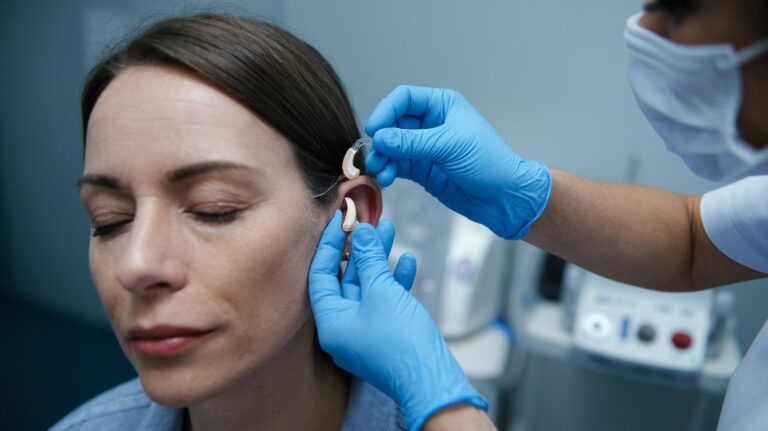
The custom hearing aid fitting process begins with comprehensive hearing evaluation and ear canal examination by a licensed audiologist. Digital otoscopy ensures your ears are healthy and suitable for custom device fitting, while real-ear measurements determine optimal amplification levels. Custom hearing aid molds require precise impression-taking techniques using specialized materials and procedures developed over decades of clinical practice.
Modern fitting processes incorporate real-ear verification to ensure custom hearing aids meet prescribed amplification targets across all frequencies. This verification step, combined with subjective listening tests in various acoustic environments, guarantees optimal performance before final dispensing. Follow-up appointments typically occur at two weeks, one month, and three months to fine-tune settings and address any concerns.
Why Choose Custom Over Costco Alternatives
Many consumers wonder why Costco hearing aids cost significantly less than custom options from specialized manufacturers. Costco’s business model focuses on high-volume, standardized products that reduce per-unit costs but limit customization options. Their hearing aids typically use universal receivers and standard ear tips, which cannot match the personalized fit and performance of true custom devices.
Custom hearing aids justify their higher costs through superior materials, individualized manufacturing processes, and comprehensive professional services. The precision engineering required for custom shells, combined with extensive research and development costs, creates inherently higher production expenses that cannot be eliminated through volume purchasing alone.
Related video about custom hearing aids
This video complements the article information with a practical visual demonstration.
Key Questions and Answers
Can hearing aids be custom made?
Yes, hearing aids can be completely custom made using precise impressions of your ear canal and outer ear. Custom hearing aids are manufactured specifically for your unique ear anatomy, providing superior fit, comfort, and acoustic performance compared to standard options. The process involves taking detailed ear impressions, which are then used to create personalized shells tailored to your exact specifications and hearing loss requirements.
How much do custom hearing aids cost?
Custom hearing aids cost between $1,500 to $6,000 per device in 2025, depending on technology level and brand. Entry-level custom models start around $1,500, while premium devices with advanced features can exceed $6,000 each. Most Americans invest $3,000 to $8,000 for a pair of quality custom hearing aids, with insurance coverage often reducing out-of-pocket expenses by 50-80% up to annual limits.
Are custom hearing aids worth it?
Custom hearing aids are worth the investment for most users due to their superior comfort, fit, and performance benefits. They eliminate common issues like feedback and device migration while providing extended wear comfort up to 16 hours daily. The personalized fit optimizes sound quality and enables advanced features to work more effectively, resulting in better hearing outcomes and improved quality of life despite higher initial costs.
Why are Costco hearing aids so much cheaper?
Costco hearing aids are cheaper because they use a high-volume, standardized business model that reduces per-unit costs but limits customization options. They focus on universal receivers and standard ear tips rather than custom-manufactured shells, eliminating the precision engineering and individualized manufacturing processes required for true custom devices. While this approach reduces costs, it cannot match the personalized fit and performance benefits of custom hearing aids.
How long do custom hearing aids last?
Quality custom hearing aids typically last 5-7 years with proper care and maintenance. The professional-grade materials used in custom shells offer superior durability compared to universal-fit alternatives, resisting cracking and wear patterns that commonly affect generic components. Regular professional cleaning and maintenance can extend device lifespan, making custom hearing aids a better long-term investment despite higher initial costs.
What is the difference between custom and standard hearing aids?
Custom hearing aids feature shells manufactured specifically for your unique ear anatomy using precise impressions, while standard hearing aids use universal domes or ear tips. Custom devices provide superior retention, comfort, and acoustic performance through personalized fit. They eliminate feedback issues, offer extended wear comfort, and optimize advanced features like directional microphones and noise reduction algorithms for better hearing outcomes.
| Custom Hearing Aid Aspect | Key Details | Primary Benefit |
|---|---|---|
| Cost Range 2025 | $1,500-$6,000 per device | Personalized investment in hearing health |
| Fit Quality | Precise ear canal impressions | Superior comfort and retention |
| Durability | 5-7 years with proper care | Better long-term value |
| Top Brands | Starkey, ReSound, Phonak | Proven quality and innovation |