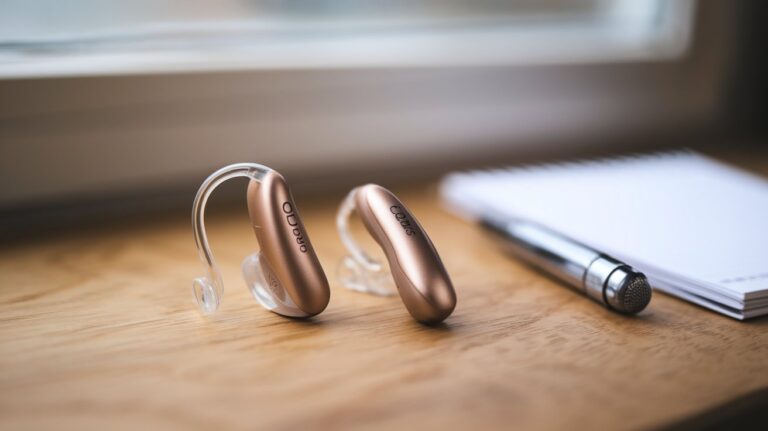
Best Hearing Aids for Teens: Expert Guide 2024-2025
Choosing the right hearing aids for teens requires understanding modern technology and teenage lifestyle needs. With over 2.5 million American teenagers experiencing hearing loss, finding discreet yet effective solutions is crucial for academic success and social confidence in 2024-2025.
Why Hearing Loss Is Rising Among Teenagers
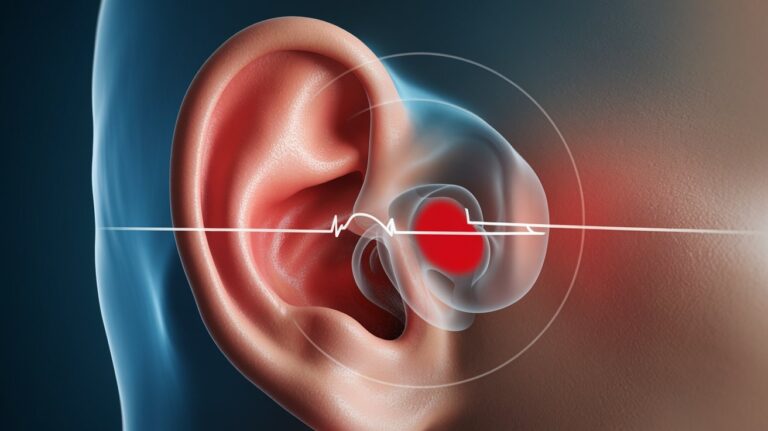
Teenage hearing loss has increased by 30% in the past decade, with noise-induced hearing loss being the primary culprit. The American Speech-Language-Hearing Association reports that 15% of teens show signs of hearing damage from prolonged exposure to loud music through earbuds, concerts, and sporting events. This alarming trend makes early intervention with hearing aids for teens more critical than ever.
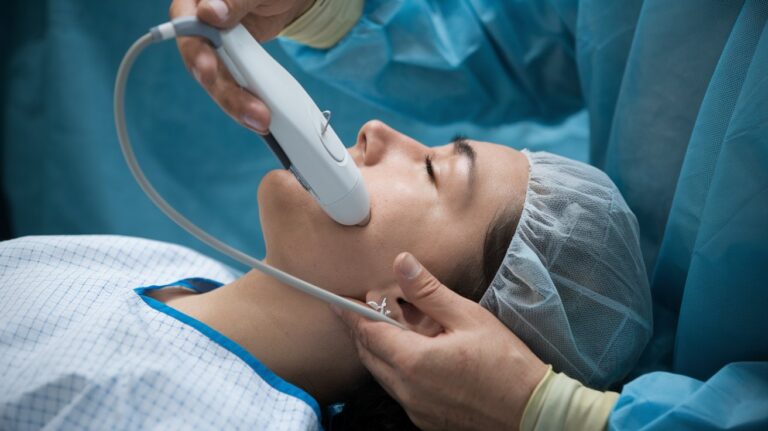
Modern teenagers are exposed to sound levels exceeding 85 decibels for extended periods daily. Gaming sessions, music streaming at maximum volume, and crowded social environments contribute to gradual hearing deterioration. Early detection through regular audiometric testing can prevent further damage and improve quality of life through appropriate hearing aid technology.
Best Hearing Aid Options for Teenagers
Selecting appropriate hearing aids for teens involves balancing effectiveness with aesthetic preferences. Today’s teenagers prioritize discretion while requiring advanced features for their active lifestyles. The most successful hearing aid fittings for teens incorporate both superior sound quality and minimal visibility to support their social confidence.
Invisible Hearing Aids for Maximum Discretion
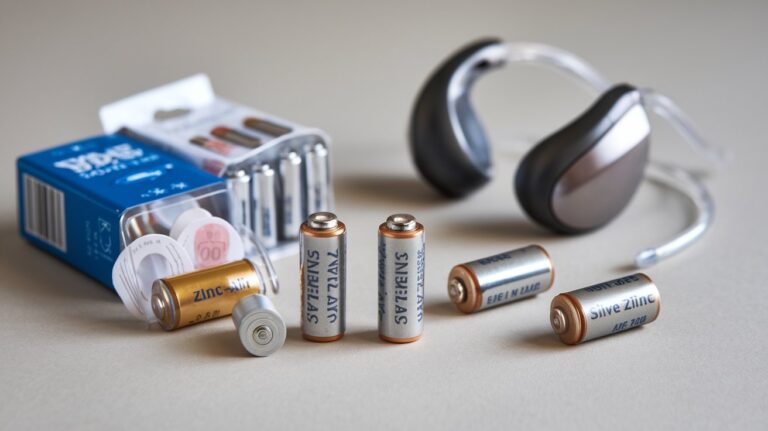
Invisible hearing aids represent the gold standard for teenage users, offering complete concealment within the ear canal. Completely-in-Canal (CIC) and Invisible-in-Canal (IIC) models provide excellent sound quality while remaining virtually undetectable. These devices are custom-fitted to each teen’s ear anatomy, ensuring comfort during long school days and after-school activities. Battery life typically lasts 5-7 days with normal usage patterns.
Behind-the-Ear Models with Modern Technology
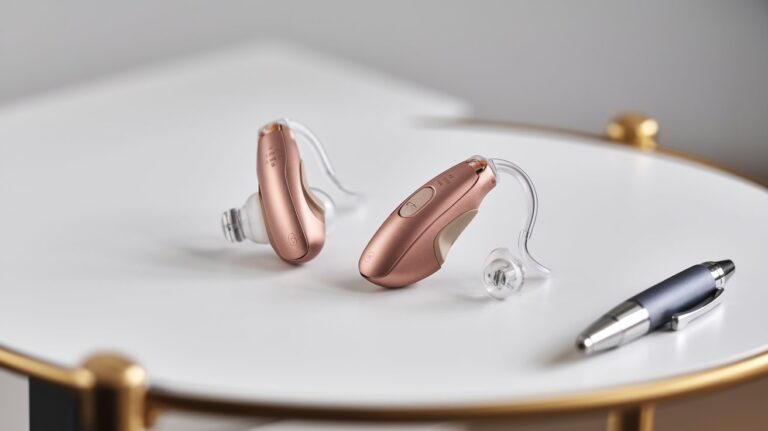
Modern Behind-the-Ear hearing aids offer superior power and connectivity features that appeal to tech-savvy teenagers. These devices can stream audio directly from smartphones, tablets, and gaming systems via Bluetooth technology. Advanced noise reduction algorithms help teens focus on conversations in noisy classroom environments while maintaining awareness of their surroundings for safety.
Top Hearing Aid Brands for Young Adults
Leading manufacturers have developed specialized product lines targeting the unique needs of young adults and teenagers. These companies understand that teenage users require durability, connectivity, and aesthetic appeal beyond traditional hearing aid considerations.
Phonak Hearing Aids for Active Teens
Phonak hearing aids excel in sports and active lifestyle applications through their waterproof designs and impact-resistant construction. The Paradise series offers direct connectivity to unlimited Bluetooth devices, allowing seamless transitions between phone calls, music streaming, and video gaming. AutoSense OS 4.0 technology automatically adjusts settings based on acoustic environments, reducing the need for manual adjustments during busy school days.
Oticon Solutions for Academic Excellence
Oticon hearing aids feature BrainHearing technology specifically designed to support learning environments. Their OpenSound Navigator processes multiple speech sources simultaneously, helping teenagers participate in group discussions and classroom activities. The rechargeable battery systems eliminate the hassle of frequent battery changes, particularly important for busy students managing multiple responsibilities.
Essential Features for Teen Hearing Aids
Modern hearing aids for teens must incorporate specific technological features that align with contemporary teenage lifestyles. Connectivity, durability, and user-friendly controls are non-negotiable requirements for successful long-term use among this demographic.
Smartphone Integration and App Control
Smartphone compatibility through dedicated hearing aid apps allows teenagers to discreetly adjust volume, change programs, and monitor battery levels. Advanced apps provide remote fine-tuning capabilities, enabling audiologists to make adjustments without requiring in-person appointments. These features particularly benefit busy families managing school schedules and extracurricular activities.
Durability and Water Resistance
Active teenagers require water-resistant hearing aids capable of withstanding sweat, rain, and accidental exposure to moisture. IP68-rated devices can survive brief submersion and are ideal for teens participating in sports or outdoor activities. Reinforced housing materials protect against drops and impacts common in school environments.
Pediatric Hearing Aid Cost Considerations
Pediatric hearing aid costs range from $2,500 to $8,000 per device in 2024-2025, with insurance coverage varying significantly across providers. Many families qualify for assistance through state programs, charitable organizations, and manufacturer financing options. Early intervention programs often provide reduced-cost or free hearing aids for qualifying teenagers, making treatment accessible regardless of economic circumstances.
Long-term cost considerations include professional services, replacement parts, and technology upgrades typically needed every 4-6 years. Comprehensive warranties and service plans can reduce unexpected expenses while ensuring consistent device performance throughout the teenage years. Some insurance plans cover up to 80% of hearing aid costs when prescribed for individuals under 18 years old.
Choosing the Right Audiologist for Teen Care
Selecting an experienced pediatric audiologist significantly impacts treatment success for teenage hearing aid users. Specialists in adolescent hearing care understand the unique psychological and social challenges facing this age group. They provide counseling, peer support resources, and flexible appointment scheduling that accommodates school schedules and extracurricular commitments.
Look for audiologists offering comprehensive follow-up care, including regular hearing assessments, device maintenance, and upgrade consultations. The best providers maintain relationships with schools to ensure proper accommodation implementation and work closely with families to address any adjustment challenges that may arise during the adaptation period.
Supporting Teen Hearing Aid Success
Successful hearing aid adaptation for teenagers requires comprehensive family support and professional guidance. Most teens need 2-4 weeks to fully adjust to their new devices, during which patience and encouragement are essential. Regular follow-up appointments ensure optimal performance and address any concerns promptly.
Peer support groups and online communities provide valuable resources for teenagers navigating hearing aid use. Many audiological practices offer teen-specific support programs that address social concerns, maintenance responsibilities, and advocacy skills. These resources help build confidence and promote long-term hearing aid success throughout the teenage years and beyond.
Related video about hearing aids for teens
This video complements the article information with a practical visual demonstration.
Key Questions and Answers
What is the best hearing aid for a teenager?
Invisible-in-Canal (IIC) hearing aids are typically the best choice for teenagers, offering complete discretion with advanced technology. Phonak Paradise and Oticon More models provide excellent connectivity features while remaining virtually undetectable. The best option depends on individual hearing loss severity and lifestyle requirements.
Can teenagers have hearing aids?
Yes, teenagers can definitely have hearing aids and often benefit significantly from early intervention. Over 2.5 million American teens currently use hearing aids successfully. Modern devices are designed specifically for active teenage lifestyles and integrate seamlessly with smartphones and other technology.
Can a 14 year old get hearing loss?
A 14-year-old can absolutely experience hearing loss, with 15% of teenagers showing signs of hearing damage. Common causes include noise exposure from loud music, concerts, and prolonged earbud use. Regular hearing screenings can detect early changes and prevent further deterioration.
What is the 5 minute rule for hearing aids?
The 5-minute rule for hearing aids suggests gradually increasing wearing time by 5 minutes each day during the initial adjustment period. This helps teenagers adapt comfortably to amplified sounds and prevents overwhelm. Most teens achieve full-day wear within 2-3 weeks following this approach.
How much do hearing aids cost for teenagers?
Hearing aids for teenagers cost between $2,500-$8,000 per device in 2024-2025. Many insurance plans cover 80% of costs for individuals under 18. State programs and charitable organizations provide additional financial assistance for qualifying families.
Are hearing aids waterproof for active teens?
Many modern hearing aids offer water resistance with IP68 ratings, protecting against sweat, rain, and brief water exposure. While not fully waterproof for swimming, these devices can withstand most teenage activities including sports and outdoor adventures safely.
| Hearing Aid Type | Best Features for Teens | Key Benefits |
|---|---|---|
| Invisible-in-Canal (IIC) | Complete discretion, custom fit | Maximum social confidence |
| Behind-the-Ear with Bluetooth | Smartphone connectivity, powerful amplification | Superior technology integration |
| Rechargeable Models | No battery changes, app control | Convenient daily management |