CROS Hearing Aids Guide 2025: Best Models, Costs & Reviews
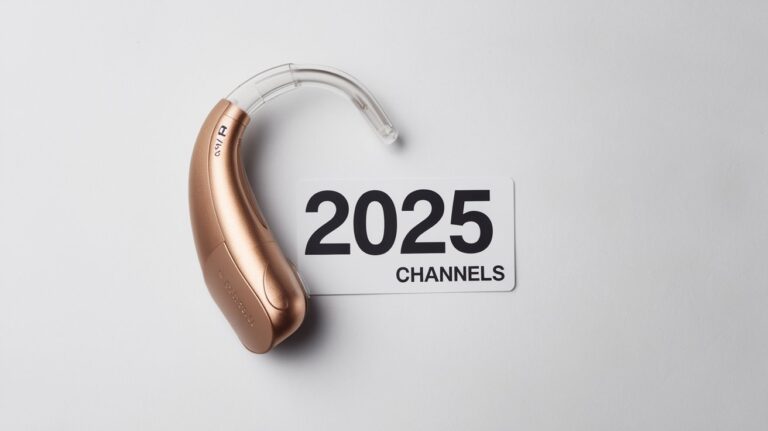
CROS hearing aids are specialized devices designed for individuals with single-sided deafness or profound hearing loss in one ear. These innovative hearing solutions work by capturing sound from the impaired ear and transmitting it wirelessly to the better-hearing ear, effectively eliminating the head shadow effect that makes it difficult to hear sounds from the affected side.
What Are CROS Hearing Aids and How They Work
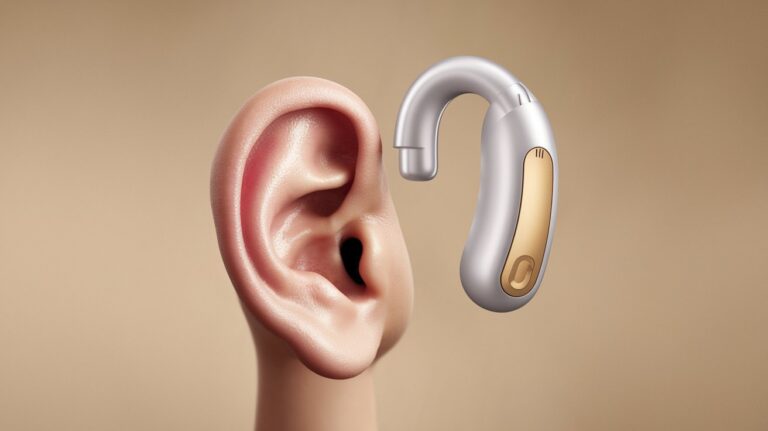
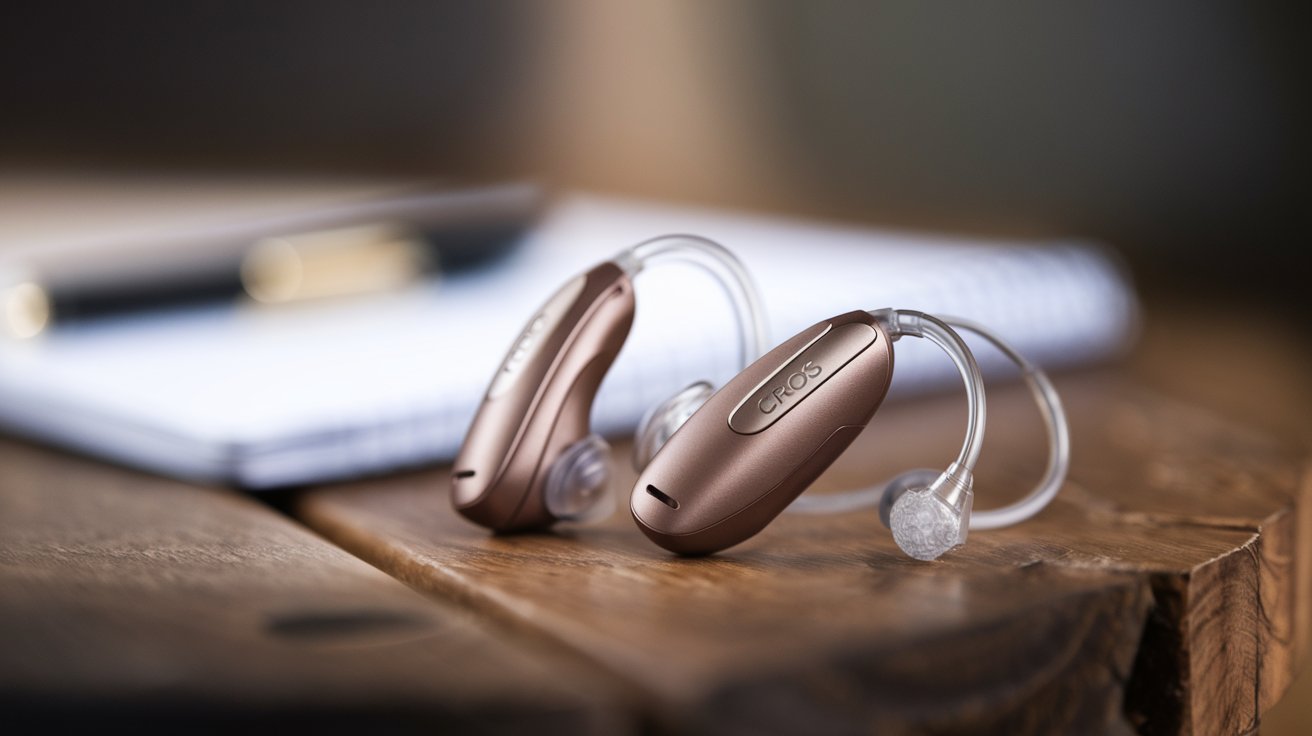
CROS hearing aids utilize a unique two-part system consisting of a transmitter placed on the impaired ear and a receiver worn on the better-hearing ear. The transmitter captures sounds and voices from the deaf side and wirelessly transmits them to the receiver, which then delivers the audio to your functional ear. This technology allows users with single-sided deafness to hear conversations, environmental sounds, and warnings from their impaired side.
The wireless transmission in modern CROS hearing aids operates on advanced digital platforms, typically using 2.4 GHz technology for clear, interference-free sound transmission. Most current models can transmit audio with minimal delay, usually less than 2-3 milliseconds, ensuring natural sound perception. The hearing aid receiver integrates seamlessly with your natural hearing, creating a more balanced auditory experience throughout your daily activities.
Understanding the Head Shadow Effect
The head shadow effect occurs when your head physically blocks sound waves from reaching your functional ear, particularly affecting high-frequency sounds that don’t bend around your head easily. This phenomenon makes it challenging for individuals with single-sided deafness to locate sounds, understand speech in noisy environments, and maintain situational awareness. CROS hearing aids specifically address this issue by capturing sounds directly from the impaired side before they can be blocked by your head.
Without hearing aids, people with unilateral hearing loss often struggle in restaurants, meetings, or crowded spaces where sounds come from their deaf side. The head shadow effect can reduce sound intensity by 6-10 decibels, making speech understanding particularly difficult. Modern CROS hearing aid technology compensates for this natural acoustic barrier, improving speech recognition scores by up to 60% in challenging listening environments according to 2024 clinical studies.
BiCROS vs CROS Hearing Aids: Key Differences
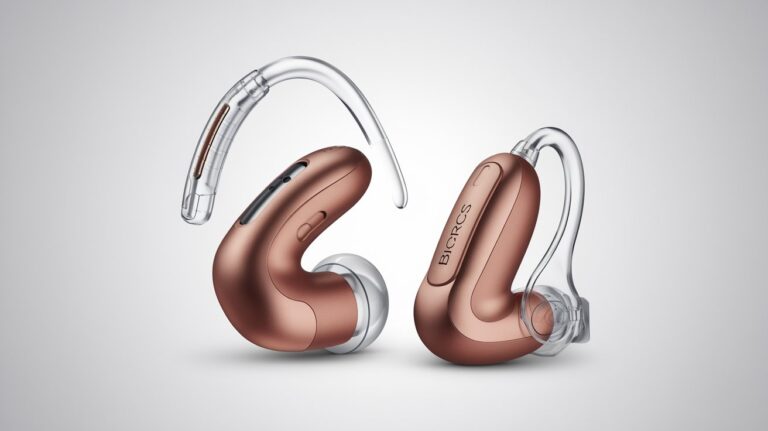
BiCROS hearing aids are designed for individuals who have single-sided deafness and also experience hearing loss in their better ear. While traditional CROS systems only transmit sound from the deaf ear to the functional ear, BiCROS hearing aid systems provide amplification to both ears – transmitting from the deaf side while simultaneously amplifying sounds for the ear with partial hearing loss.
The choice between CROS and BiCROS hearing aids depends on your specific hearing profile. If your better ear has normal hearing or only mild hearing loss, a standard CROS system is typically recommended. However, if your better ear requires amplification due to moderate to severe hearing loss, a BiCROS hearing aid becomes the optimal solution, providing comprehensive hearing support for both ears simultaneously.
BiCROS Hearing Aid Reviews and Performance
Recent BiCROS hearing aid reviews from 2024 highlight significant improvements in speech understanding and quality of life for users with asymmetrical hearing loss. Leading models from Phonak, Signia, and ReSound demonstrate excellent wireless connectivity, with users reporting 85-90% satisfaction rates in real-world listening environments. Most BiCROS hearing aid users experience improved sound localization and reduced listening fatigue compared to single-sided solutions.
Best BiCROS Hearing Aid Models 2025
The best CROS hearing aid models in the BiCROS category include the Phonak Paradise P-CROS, Signia Styletto X CROS, and ReSound ONE CROS. These premium hearing aids offer rechargeable batteries, smartphone connectivity, and advanced noise reduction algorithms. Pricing for top-tier BiCROS systems ranges from $3,500 to $6,000 per pair, with most audiologists recommending at least mid-level technology for optimal performance in complex listening situations.
Best CROS Hearing Aid Brands and Models 2025
Phonak CROS hearing aids consistently rank as the top choice among audiologists and users, with their Paradise P-CROS and newer Lumity L-CROS models offering exceptional sound quality and connectivity features. These hearing aids provide automatic program switching, direct streaming from iOS and Android devices, and up to 16 hours of battery life on rechargeable models. The Phonak CROS P-R model specifically addresses the needs of active users with its robust design and water resistance rating.
Signia CROS hearing aids represent another excellent option, particularly the Pure Charge&Go X CROS and Styletto X CROS models. These devices excel in challenging listening environments with their advanced directional microphone technology and own voice processing. Signia CROS hearing aids typically cost between $2,800 and $4,500, depending on the technology level and features selected. Many users appreciate Signia’s sleek designs and comprehensive smartphone app control.
ReSound and Widex CROS Options
ReSound ONE CROS and LiNX Quattro CROS models provide excellent sound processing with their unique M&RIE (Microphone & Receiver-In-Ear) technology, allowing for more natural sound perception. Hearing aids from ReSound typically offer superior streaming quality and longer wireless range compared to competitors. Widex MOMENT CROS models focus on delivering the most natural sound experience with their PureSound technology, though they represent a smaller market share in the CROS hearing aid category.
Costco CROS Hearing Aid Options
CROS hearing aid Costco options provide significant cost savings, with their Kirkland Signature and Phonak-manufactured models priced 30-40% below traditional retail prices. Costco’s hearing aids include comprehensive aftercare services, though selection may be limited compared to independent audiology practices. Their CROS systems typically range from $1,400 to $2,800 per pair, making them accessible for budget-conscious consumers seeking quality hearing aid solutions.
CROS Hearing Aid Candidacy and Evaluation
Ideal candidates for CROS hearing aids include individuals with complete hearing loss or profound hearing impairment in one ear while maintaining normal to near-normal hearing in the other ear. Common conditions that lead to CROS candidacy include sudden sensorineural hearing loss, acoustic neuroma, temporal bone trauma, congenital aural atresia, and Meniere’s disease affecting one ear. Audiologists typically recommend CROS hearing aids when the hearing loss in the impaired ear exceeds 65-70 decibels across multiple frequencies.
The evaluation process for hearing aids candidacy involves comprehensive audiological testing, including pure-tone audiometry, speech audiometry, and often specialized tests like acoustic reflex testing. Candidates must demonstrate sufficient hearing in their better ear and realistic expectations about CROS hearing aid performance. Age is not a limiting factor, as both children and adults can successfully use these devices, though pediatric fittings require specialized considerations for school and social environments.
CROS Hearing Aid Costs and Insurance Coverage 2025
How much does a CROS hearing aid cost varies significantly based on technology level, brand, and provider. Entry-level CROS hearing aids typically range from $2,200 to $3,500 for a complete system, while premium models with advanced features can cost $4,000 to $6,500. The total investment includes the transmitter, receiver, professional fitting services, follow-up adjustments, and typically a 2-3 year manufacturer warranty covering repairs and loss replacement.
Are CROS hearing aids covered by insurance depends on your specific plan and state regulations. Many private insurance plans cover 50-80% of hearing aid costs when deemed medically necessary, particularly for sudden hearing loss or post-surgical cases. Medicare traditionally does not cover hearing aids, though Medicare Advantage plans may offer partial coverage. Veterans Affairs provides full coverage for eligible veterans, and many state Medicaid programs now include hearing aid benefits for qualifying individuals.
Financing and Payment Options
Most audiology practices offer financing plans for CROS hearing aids, including 0% interest options for 12-24 months. Healthcare credit companies like CareCredit provide extended payment plans, while some employers offer Flexible Spending Account (FSA) or Health Savings Account (HSA) options for hearing aid purchases. State vocational rehabilitation programs may provide funding for working-age individuals whose hearing loss impacts employment capabilities.
Cost Comparison with Alternatives
When comparing CROS hearing aid cost to alternatives like bone-anchored hearing aids (BAHA), the initial investment is typically lower for CROS systems. BAHA surgeries can cost $15,000-$30,000, while cochlear implants for single-sided deafness may exceed $50,000. However, hearing aids require replacement every 5-7 years, making long-term costs an important consideration in treatment planning.
CROS Hearing Aid Pros and Cons Analysis
CROS hearing aid pros and cons must be carefully considered before making this significant investment. Primary advantages include improved speech understanding from the impaired side, enhanced situational awareness, reduced head turning to locate sounds, and better performance in group conversations. Users frequently report increased confidence in social and professional settings, with studies showing 70-85% satisfaction rates among consistent users. Modern hearing aids also offer smartphone connectivity, allowing streaming of phone calls, music, and other audio directly to the devices.
However, disadvantages of CROS hearing aids include the inability to restore true binaural hearing or natural sound localization. Some users experience initial adjustment difficulties, particularly with their own voice sounding different or unnatural. Battery management becomes more complex with two devices, and the transmitter on the deaf ear may feel unnecessary or bothersome to some users. Wind noise can be problematic in outdoor environments, and complete sound localization remains challenging despite improved awareness from the impaired side.
Real-World Performance Expectations
Are CROS hearing aids any good in practical applications? Clinical studies and user surveys from 2024 indicate that 75-80% of consistent users report significant improvement in daily communication, particularly in quiet to moderate noise environments. However, performance in very noisy situations like crowded restaurants or sporting events remains challenging. Most users require 2-4 weeks for full adaptation to the CROS hearing aid experience.
Adjustment and Adaptation Strategies
Successful CROS hearing aid adaptation requires gradual introduction, starting with quiet environments and progressively challenging listening situations. Professional counseling and realistic expectations significantly improve outcomes. Users should practice identifying sounds, engage in regular communication exercises, and maintain consistent device wear to optimize hearing aid benefits. Most audiologists recommend wearing the devices at least 8-10 hours daily during the adaptation period.
Alternative Solutions to CROS Hearing Aids
Bone-anchored hearing systems represent a surgical alternative to CROS hearing aids, involving implantation of a titanium fixture that transmits sound through bone conduction. These systems may provide superior sound quality and eliminate the need for a device on the better ear, though they require surgical intervention and ongoing maintenance. Cochlear implants for single-sided deafness have gained FDA approval and may offer better long-term hearing restoration, particularly for recent hearing loss cases.
Non-surgical alternatives include personal amplification devices, assistive listening systems, and environmental modifications. However, these solutions typically provide more limited benefit compared to properly fitted CROS hearing aids. Some individuals with single-sided deafness choose no intervention, developing compensatory strategies like preferential seating and communication techniques, though this approach may limit social and professional opportunities.
Maintenance and Care for CROS Systems
Proper maintenance extends CROS hearing aid lifespan and ensures optimal performance. Daily cleaning with provided tools removes earwax and debris, while weekly deep cleaning with specialized solutions maintains microphone and receiver function. Hearing aids should be stored in dehumidifying containers overnight, particularly in humid climates, to prevent moisture damage that can affect wireless transmission quality.
Battery management varies between rechargeable and disposable systems. Rechargeable CROS hearing aids require nightly charging and typically need battery replacement every 3-4 years. Disposable battery models require size 312 or 13 batteries, lasting 5-10 days depending on usage patterns and streaming frequency. Regular professional cleanings and software updates help maintain peak hearing aid performance and access to new features.
Related video about cros hearing aids
This video complements the article information with a practical visual demonstration.
Essential Q&A about cros hearing aids
What are the disadvantages of CROS hearing aids?
The main disadvantages include inability to restore true binaural hearing, challenging sound localization, potential adjustment difficulties, wind noise sensitivity, and the need to wear devices on both ears. Some users find their own voice sounds unnatural initially, and performance in very noisy environments remains limited compared to normal hearing.
How much does a CROS hearing aid cost?
CROS hearing aid costs range from $2,200-$3,500 for entry-level systems to $4,000-$6,500 for premium models. This includes both the transmitter and receiver units, professional fitting, follow-up care, and warranty coverage. Additional costs may include batteries, maintenance supplies, and eventual replacement every 5-7 years.
Are CROS hearing aids covered by insurance?
Insurance coverage varies significantly. Many private insurance plans cover 50-80% when medically necessary, while Medicare traditionally doesn’t cover hearing aids. Medicare Advantage plans may offer partial coverage, Veterans Affairs provides full coverage for eligible veterans, and some state Medicaid programs now include hearing aid benefits.
Are CROS hearing aids any good?
CROS hearing aids are highly effective for appropriate candidates, with 75-80% of users reporting significant communication improvement. They excel in quiet to moderate noise environments and greatly improve speech understanding from the impaired side. Success depends on realistic expectations, proper fitting, and consistent use during the adaptation period.
What is the difference between CROS and BiCROS hearing aids?
CROS hearing aids transmit sound from a deaf ear to a normal-hearing ear, while BiCROS systems both transmit from the deaf side and amplify sound for an ear with partial hearing loss. BiCROS is recommended when both ears have hearing impairment, with the worse ear being non-functional and the better ear requiring amplification.
How long do CROS hearing aids last?
CROS hearing aids typically last 5-7 years with proper care and maintenance. Factors affecting lifespan include usage patterns, environmental exposure, maintenance quality, and technological advances. Rechargeable batteries may need replacement every 3-4 years, while the devices themselves can provide reliable service throughout their expected lifespan with regular professional servicing.
| Key Aspect | Important Details | Benefit |
|---|---|---|
| Sound Transmission | 2.4 GHz wireless with <2-3ms delay | Natural hearing from impaired side |
| Cost Range | $2,200-$6,500 complete system | Professional fitting and warranty included |
| Insurance Coverage | 50-80% coverage when medically necessary | Reduced out-of-pocket expenses |
| User Satisfaction | 75-80% report significant improvement | Enhanced communication confidence |
| Device Lifespan | 5-7 years with proper maintenance | Long-term hearing solution |