IIC Hearing Aids 2025: Best Invisible Models & Complete Guide
Invisible-in-canal (IIC) hearing aids represent the smallest and most discreet hearing aid technology available in 2025. These custom-fitted devices sit deep within the ear canal, making them virtually undetectable while providing exceptional sound quality for mild to moderate hearing loss. Understanding the benefits, costs, and available options helps you make an informed decision about these advanced hearing solutions.
What Are IIC Hearing Aids
IIC hearing aids are the smallest type of hearing aids available, designed to fit completely within the ear canal. Unlike traditional behind-the-ear models, these devices are custom-molded to match your specific ear anatomy, ensuring maximum comfort and invisibility. The technology has advanced significantly in 2024-2025, with improved battery life and enhanced digital processing capabilities.
These devices work by capturing sound through a tiny microphone positioned deep in the ear canal, processing it through advanced digital circuitry, and delivering clear audio directly to the eardrum. The placement provides natural sound quality because it utilizes the ear’s natural acoustics, reducing wind noise and improving directional hearing compared to larger hearing aids.
IIC vs CIC vs ITC Hearing Aids Comparison
Understanding the differences between IIC, CIC, and ITC hearing aids is crucial for selecting the right device. IIC (Invisible-in-Canal) sits deepest in the ear canal and is completely invisible when worn. CIC (Completely-in-Canal) extends slightly beyond the second bend of the ear canal and may be barely visible. ITC (In-the-Canal) fills the lower portion of the outer ear and is more noticeable but offers additional features.
In terms of candidacy, IIC hearing aids work best for mild to moderate hearing loss, while CIC and ITC models can accommodate moderate to severe hearing loss. The size limitations of IIC devices mean they typically have shorter battery life and fewer advanced features compared to their larger counterparts, but they excel in discretion and natural sound quality.
Invisible-in-Canal (IIC) Features
IIC hearing aids offer several unique advantages due to their deep canal placement. They provide excellent high-frequency response, reduced occlusion effect, and improved telephone use since the microphone is positioned closer to the eardrum. Most 2025 models include advanced noise reduction algorithms and feedback cancellation technology despite their small size.
Completely-in-Canal (CIC) Benefits
CIC hearing aids strike a balance between discretion and functionality. They’re slightly larger than IIC models, allowing for longer battery life and additional features like volume controls or program buttons. The 2024-2025 CIC models often include directional microphones and more powerful amplification for moderate hearing losses.
Best IIC Hearing Aid Brands in 2025
Starkey IIC hearing aids lead the market in 2025 with their Genesis AI technology, offering superior sound processing and artificial intelligence features. The Starkey Evolv AI IIC model provides excellent speech clarity and environmental adaptation. Phonak’s Lyric extends wear time up to several months, while Oticon’s IIC models excel in natural sound processing.
ReSound and Widex also offer competitive IIC hearing aids with unique features. ReSound’s OMNIA IIC provides excellent connectivity options, while Widex MOMENT IIC focuses on pure, natural sound delivery. Each brand has specific strengths, with pricing typically ranging from $2,500 to $4,500 per device in the United States market during 2024-2025.
Starkey IIC Hearing Aids
Starkey IIC hearing aids incorporate cutting-edge AI technology that learns user preferences and automatically adjusts settings. The 2025 Genesis AI IIC model features improved battery life, enhanced speech processing, and better noise reduction. Starkey’s Edge Mode provides temporary boost in challenging listening situations, making them ideal for active lifestyles.
Premium IIC Models Comparison
When comparing premium IIC hearing aids, consider processing power, battery life, and special features. Phonak Lyric offers unique extended-wear capability, while Oticon IIC models excel in brain-friendly sound processing. ReSound OMNIA IIC provides superior connectivity, and Widex MOMENT IIC delivers the most natural sound reproduction according to 2024 user studies.
IIC Hearing Aids with Bluetooth Technology
IIC hearing aids with Bluetooth represent the latest advancement in invisible hearing technology. While traditional IIC models couldn’t accommodate Bluetooth due to size constraints, 2025 innovations have made wireless connectivity possible in select models. These devices connect directly to smartphones, tablets, and other Bluetooth-enabled devices for streaming calls, music, and media.
The integration of Bluetooth in invisible hearing aids requires advanced miniaturization techniques and efficient power management. Brands like ReSound and Starkey have successfully incorporated this technology, though battery life may be reduced compared to non-Bluetooth IIC models. The convenience of hands-free calling and direct audio streaming makes these premium options increasingly popular among tech-savvy users.
IIC Hearing Aid Costs and Insurance Coverage
The cost of IIC hearing aids in 2025 ranges from $2,000 to $5,000 per device, depending on technology level and brand. Premium models with advanced features like Bluetooth connectivity and AI processing typically cost $3,500 to $4,500 each. Most audiologists recommend purchasing pairs, bringing total costs to $4,000 to $10,000 for complete treatment.
Insurance coverage for invisible hearing aids varies significantly across plans and states. Medicare Part B covers hearing exams but typically doesn’t cover hearing aids themselves. However, Medicare Advantage plans may offer hearing aid benefits. Private insurance increasingly covers hearing aids, with many plans providing $1,000 to $3,000 per ear every three to five years. Veterans Affairs provides comprehensive hearing aid coverage for eligible veterans.
Financing Options for IIC Hearing Aids
Many hearing aid providers offer financing plans for IIC devices, including zero-percent interest options for qualified buyers. CareCredit and other medical financing companies provide extended payment plans. Some audiologists offer lease programs or rental options, allowing patients to try expensive IIC models before committing to purchase.
Insurance and Medicare Coverage
Understanding insurance benefits for IIC hearing aids requires reviewing specific plan details. Some employer-sponsored plans cover 50-80% of hearing aid costs up to specified limits. Medicaid coverage varies by state, with some providing comprehensive hearing aid benefits. Health Savings Accounts (HSAs) and Flexible Spending Accounts (FSAs) can be used for hearing aid purchases, reducing out-of-pocket costs.
IIC Hearing Aid Advantages and Disadvantages
The primary advantage of IIC hearing aids is complete invisibility when properly fitted, addressing cosmetic concerns that prevent many people from seeking hearing treatment. Their deep canal placement provides natural sound quality, reduced wind noise, and excellent telephone compatibility. The proximity to the eardrum allows for efficient sound delivery with minimal power requirements.
However, IIC hearing aids have several limitations. Their small size restricts battery life to 3-7 days typically, and they may not accommodate severe hearing losses. The deep placement can cause ear canal irritation in some users, and removal requires a nearly invisible plastic pull-string. Earwax buildup is more problematic with IIC devices, requiring regular professional cleaning and maintenance.
Candidacy Requirements for IIC Hearing Aids
Not everyone is a candidate for IIC hearing aids due to anatomical and audiological requirements. Ear canal size and shape must accommodate the custom device without causing discomfort or acoustic feedback. Generally, candidates have mild to moderate sensorineural hearing loss, though some models can address moderate-severe losses in specific frequency ranges.
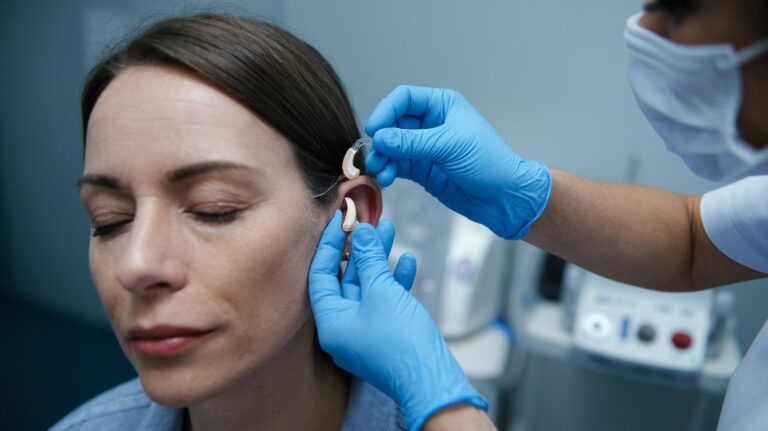
Medical considerations include healthy ear canals without chronic infections, excessive wax production, or structural abnormalities. Patients with dexterity issues may struggle with IIC insertion and removal, making larger hearing aids more appropriate. Age isn’t necessarily a limiting factor, but younger patients with developing ear canals may need frequent remolding as they grow.
Ear Canal Size Requirements
Proper ear canal dimensions are crucial for IIC hearing aid success. The canal must be wide and long enough to accommodate the device while maintaining comfortable fit. Audiologists use otoscopic examination and ear impressions to determine candidacy, with approximately 80-85% of adults having suitable ear canal anatomy for IIC devices.
Hearing Loss Severity Limitations
Hearing loss degree significantly impacts IIC suitability. These devices work best for mild hearing loss (26-40 dB HL) and moderate loss (41-70 dB HL) in most frequencies. Severe high-frequency losses may exceed IIC amplification capabilities, requiring larger hearing aids with more powerful amplifiers and advanced signal processing.
Maintenance and Care for IIC Hearing Aids
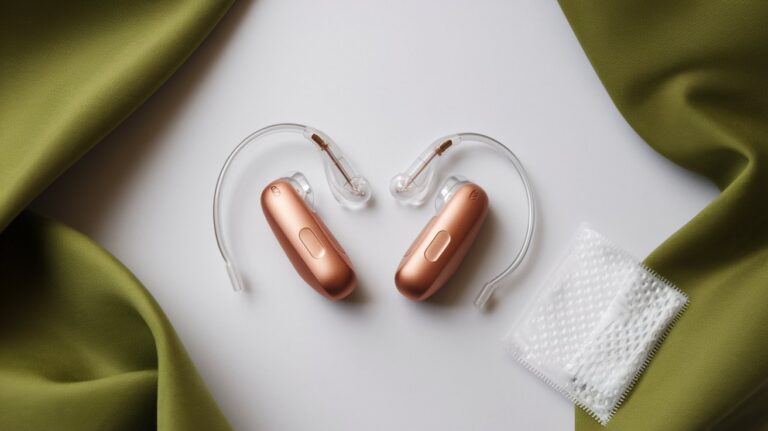
Proper maintenance extends IIC hearing aid lifespan and ensures optimal performance. Daily cleaning involves gentle wiping with provided cleaning cloths and regular wax guard replacement. The deep canal placement makes these devices more susceptible to moisture and earwax damage, requiring consistent care routines and professional servicing every 3-4 months.
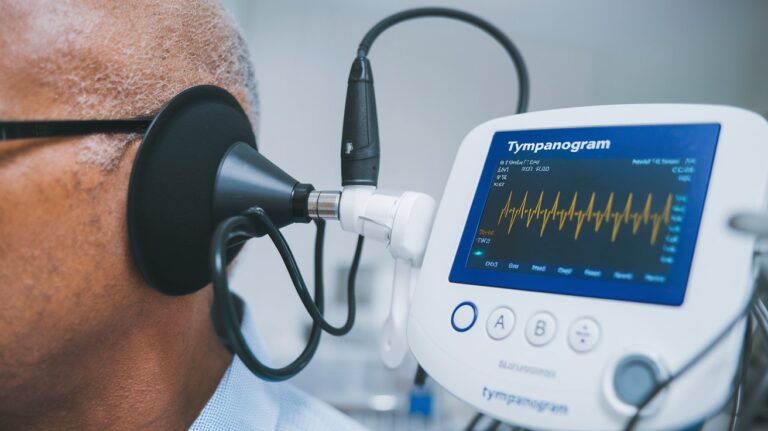
Professional maintenance includes thorough cleaning, software updates, and performance verification. Many audiologists recommend IIC hearing aid replacement every 4-6 years due to technological advances and natural wear from ear canal environment. Proper storage in dehumidifying cases when not worn helps prevent moisture damage and extends device longevity.
Related video about iic hearing aids
This video complements the article information with a practical visual demonstration.
Questions & Answers
What is an IIC hearing aid?
An IIC (Invisible-in-Canal) hearing aid is the smallest type of hearing aid that fits completely within the ear canal, making it virtually invisible when worn. These custom-molded devices are designed for mild to moderate hearing loss and provide natural sound quality due to their deep canal placement. They’re considered the most discreet hearing aid option available in 2025.
How much do IIC hearing aids cost?
IIC hearing aids typically cost between $2,000 to $5,000 per device in 2025, with premium models featuring Bluetooth and AI technology ranging from $3,500 to $4,500 each. Total costs for a pair range from $4,000 to $10,000. Many insurance plans provide partial coverage, and financing options are available through audiologists and medical credit companies.
Which is the best IIC hearing aid?
The best IIC hearing aid depends on individual needs, but Starkey Genesis AI IIC leads in 2025 with advanced AI features and superior sound processing. Phonak Lyric offers unique extended-wear capability, while Oticon IIC models excel in natural sound processing. ReSound OMNIA IIC provides excellent connectivity, making the choice dependent on specific lifestyle and hearing requirements.
What is the absolute best hearing aid on the market?
The absolute best hearing aid varies by individual needs, but in 2025, premium IIC models from Starkey (Genesis AI), Phonak (Lyric), and Oticon represent top-tier technology. For invisibility, IIC devices are unmatched, though behind-the-ear models may offer more features for severe hearing losses. The best choice depends on hearing loss degree, lifestyle, budget, and cosmetic preferences.
Do IIC hearing aids have Bluetooth connectivity?
Yes, select IIC hearing aids now offer Bluetooth connectivity as of 2025, though this technology is limited to premium models from brands like ReSound and Starkey. Bluetooth-enabled IIC devices allow direct streaming from smartphones and other devices, but may have reduced battery life compared to non-Bluetooth models due to the additional power requirements in such small devices.
Can everyone wear IIC hearing aids?
No, not everyone can wear IIC hearing aids. Candidates need adequate ear canal size and shape, mild to moderate hearing loss, healthy ear canals without chronic conditions, and sufficient dexterity for insertion and removal. Approximately 80-85% of adults have suitable ear anatomy for IIC devices, but audiological evaluation is necessary to determine individual candidacy.
| IIC Feature | Specification | 2025 Benefit |
|---|---|---|
| Visibility | Completely invisible when worn | Maximum discretion and confidence |
| Sound Quality | Natural acoustics from deep canal placement | Reduced wind noise and improved directionality |
| Battery Life | 3-7 days typical usage | Improved efficiency with 2025 technology |
| Technology | AI processing and some Bluetooth models | Advanced features in smallest form factor |
| Cost Range | $2,000-$5,000 per device | Insurance coverage and financing available |