T-Coil Hearing Aids: Complete Guide to Telecoil Technology 2025
T-coil hearing aids utilize telecoil technology to dramatically improve sound quality in public venues equipped with hearing loop systems. This electromagnetic induction system reduces background noise by up to 80% while delivering crystal-clear audio directly to your hearing aid. In 2025, approximately 78% of hearing aids manufactured in the United States include telecoil functionality, making them essential for accessing assistive listening systems in theaters, churches, airports, and government buildings across America.
What is a T-Coil on a Hearing Aid
A t-coil hearing aid contains a small copper wire coil that acts as an electromagnetic receiver, picking up magnetic field signals from compatible audio systems. This telecoil technology, also called an induction coil, bypasses your hearing aid’s microphone to deliver audio signals directly to your ear. The telecoil system operates on the principle of electromagnetic induction, where an electric current flowing through a wire loop creates a magnetic field that your hearing aid’s t-coil can detect and convert back into sound.
Modern hearing aid t-coil compatible devices feature advanced digital processing that filters unwanted electromagnetic interference while amplifying desired audio signals. The telecoil measures approximately 1-2 centimeters in length and weighs less than 0.1 grams, making it virtually undetectable within your hearing aid housing. When activated, the t-coil system can improve signal-to-noise ratio by 15-20 decibels compared to traditional microphone-only listening in challenging acoustic environments.
Telecoil vs Bluetooth: Key Differences
Telecoil vs Bluetooth technology represents two distinct approaches to wireless audio transmission for hearing aids. Bluetooth technology requires active pairing, consumes battery power, and operates within a limited 30-foot range with potential interference from other devices. In contrast, t-coil hearing aid transmitter systems work passively without battery drain and can cover entire venues like auditoriums or conference halls without range limitations or connection drops.
The primary advantage of telecoil technology over Bluetooth lies in its universal compatibility and automatic activation when entering loop-equipped facilities. Bluetooth hearing aids require manual connection to each new device, while t-coil systems seamlessly connect to any hearing loop system without user intervention. Additionally, telecoil technology costs significantly less to implement in public venues, with installation costs averaging $1,200-$3,500 per room compared to Bluetooth infrastructure requiring $15,000-$50,000 for equivalent coverage areas.
Battery Life and Power Consumption
One critical advantage of t-coil hearing aids over Bluetooth-enabled devices is power efficiency. Telecoil functionality consumes virtually no additional battery power since it operates passively by detecting existing magnetic fields. Users can expect normal hearing aid battery life of 5-7 days for disposable batteries or 18-24 hours for rechargeable units when using telecoil mode exclusively.
Audio Quality Comparison
Audio quality differs significantly between telecoil vs Bluetooth technologies. Telecoil systems provide direct audio transmission without digital compression, resulting in fuller frequency response and reduced latency. Bluetooth audio typically experiences 40-200 milliseconds of delay and may compress audio to maintain stable wireless connection, particularly in environments with electromagnetic interference.
How to Know if Your Hearing Aid Has a Telecoil
Identifying whether your device includes telecoil functionality requires checking several key indicators on your hearing aid or documentation. Most hearing aids manufactured after 2018 include telecoil capability, but activation may require professional programming. Look for a small switch marked with ‘T’, ‘MT’, or ‘Loop’ on your hearing aid, or check for these settings in your device’s program menu. How do I know if my hearing aid has a telecoil can be definitively answered by consulting your hearing aid specification sheet or user manual.
Physical examination reveals telecoil presence through small magnetic field detectors or program buttons that cycle through microphone-only, telecoil-only, and combination modes. Many modern hearing aid t-coil compatible devices integrate telecoil functionality into automatic programs that activate when detecting loop systems. Your audiologist can confirm telecoil availability during routine appointments and demonstrate proper activation procedures for optimal performance in various listening environments.
Visual Identification Methods
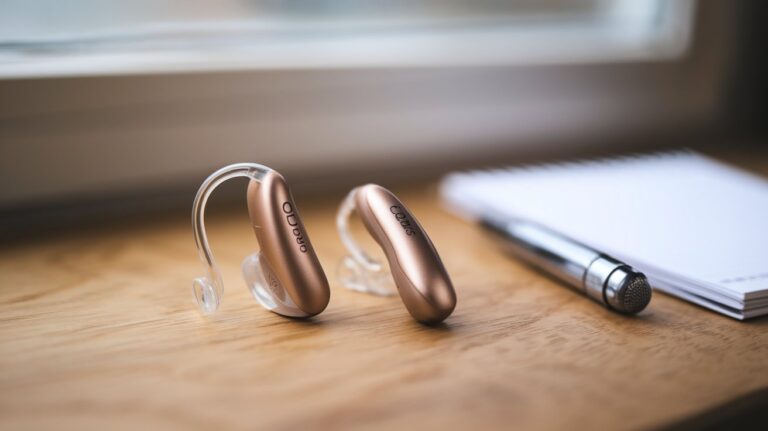
Visual confirmation of t-coil hearing aids includes examining the device casing for program indicators or switches. Behind-the-ear models often feature small rocker switches or push buttons labeled with telecoil symbols. In-the-ear hearing aids may display program numbers or LED indicators when cycling through available listening modes, including dedicated telecoil settings.
Professional Testing and Verification
Audiologists use specialized equipment to verify telecoil system functionality through magnetic field strength measurements and frequency response testing. Professional verification ensures optimal telecoil sensitivity settings and proper integration with your hearing aid’s processing algorithms. This testing typically occurs during initial fitting appointments and annual maintenance visits.
T-Coil Loop Installation for Public Venues
Professional t-coil loop installation requires certified technicians who understand electromagnetic field distribution and acoustic engineering principles. Installation costs vary significantly based on venue size, with small meeting rooms requiring $800-$1,500 for basic perimeter loop systems, while large auditoriums may cost $8,000-$25,000 for comprehensive phased array installations. The Americans with Disabilities Act encourages public venues to provide assistive listening systems, making hearing loop systems increasingly common in theaters, houses of worship, conference centers, and transportation hubs.
Modern installation techniques utilize digital signal processing to eliminate electromagnetic interference from lighting systems, HVAC equipment, and electronic devices. Professional installers conduct thorough site surveys measuring ambient magnetic field levels and identifying potential interference sources before designing custom t-coil system layouts. Quality installations include field strength testing at multiple seating positions to ensure uniform coverage meeting international IEC 60118-4 standards for hearing loop performance.
T-Coil Hearing Aid Cell Phone Compatibility
T-coil hearing aid cell phone compatibility depends on specific phone models and hearing aid settings. Modern smartphones with telecoil compatibility ratings of M3 or M4 work effectively with t-coil enabled hearing aids, reducing electromagnetic interference that can cause buzzing or static sounds. The Federal Communications Commission requires wireless phone manufacturers to test hearing aid compatibility and provide specific ratings for both microphone (M-rating) and telecoil (T-rating) interactions.
iPhone models since 2018 feature improved telecoil compatibility with reduced electromagnetic emissions in cellular frequency ranges. Android devices vary significantly in hearing aid t-coil compatible design, with flagship models typically offering better shielding and lower interference levels. Users should position phones 1-2 inches from their hearing aid when using telecoil mode to optimize signal reception while minimizing unwanted electromagnetic pickup from phone circuitry.
FCC Hearing Aid Compatibility Ratings
The FCC mandates hearing aid compatibility testing for all wireless phones sold in the United States. M-ratings (M1-M4) indicate microphone compatibility, while T-ratings (T1-T4) measure telecoil interference levels. Phones rated M3/T3 or higher provide sufficient compatibility for most hearing aid users, with M4/T4 representing the highest compatibility standards.
Optimal Phone Positioning Techniques
Proper positioning of t-coil hearing aid cell phone combinations requires understanding electromagnetic field patterns. Hold phones at 45-degree angles approximately 1-2 inches from your hearing aid’s telecoil location. Avoid placing phones directly against hearing aids, as this can cause feedback or overload the telecoil system with excessive magnetic field strength.
Do I Need a Telecoil Hearing Aid
The question Do I need a telecoil hearing aid depends on your lifestyle, listening environments, and communication needs. Individuals who frequently attend theaters, religious services, lectures, or travel through airports benefit significantly from telecoil technology. Statistics show that 73% of hearing aid users who have access to telecoil functionality report improved speech understanding in challenging listening environments. Telecoil hearing aids prove especially valuable for individuals with severe to profound hearing loss who struggle with background noise in public venues.
Consider telecoil technology if you experience difficulty understanding speech in reverberant spaces, large rooms, or venues with poor acoustics. Many modern t-coil hearing aids include automatic telecoil activation, eliminating the need for manual program changes when entering loop-equipped facilities. The additional cost for telecoil-enabled hearing aids typically ranges from $50-$200 per device, representing minimal investment compared to the significant improvement in communication access and quality of life benefits.
Facilities with Hearing Loop Systems
Thousands of venues across the United States now feature installed hearing loop systems compatible with t-coil hearing aids. Major airports including JFK, LAX, and Chicago O’Hare provide comprehensive loop coverage in gate areas, customer service counters, and boarding lounges. Religious institutions represent the largest category of loop-equipped facilities, with over 15,000 churches, synagogues, and mosques featuring hearing loop installations as of 2024. Hearing loop systems are also standard in federal courthouses, state government buildings, and many university lecture halls.
Broadway theaters in New York City collectively invested $2.3 million in hearing loop technology between 2020-2024, with venues like Lincoln Center, Kennedy Center, and regional performing arts centers following suit. Public transportation systems in major metropolitan areas increasingly install t-coil system infrastructure in subway stations, bus terminals, and train platforms. Movie theaters represent an emerging market for hearing loop technology, with AMC, Regal, and independent cinema chains beginning installations in response to customer demand for improved accessibility.
Government and Public Buildings
Federal ADA compliance guidelines strongly encourage hearing loop installation in government facilities. Over 80% of federal courthouses now feature hearing loop systems in primary courtrooms, with many extending coverage to jury rooms, conference areas, and public waiting spaces. State and local government buildings increasingly adopt loop technology for town halls, council chambers, and public meeting rooms.
Entertainment and Cultural Venues
The entertainment industry embraces t-coil hearing aids accessibility through widespread loop installations. Major concert halls, opera houses, and symphony venues provide comprehensive loop coverage with professional-grade installation meeting international standards. Museums and cultural institutions increasingly feature portable loop systems for guided tours and special presentations.
Home Installation of T-Coil Systems
Home installation of t-coil loop installation systems provides convenient access to telecoil technology in personal living spaces. Residential hearing loops cost between $200-$800 for basic room installations, with professional installation adding $150-$400 depending on room size and complexity. Popular installation locations include family rooms, bedrooms, and home theaters where television viewing and family conversations occur most frequently. Home hearing loop systems connect directly to television audio outputs, stereo systems, or smartphone audio jacks for versatile entertainment options.
DIY installation kits are available for technically inclined users, though professional installation ensures optimal performance and safety compliance. Room-specific considerations include furniture placement, electrical interference sources, and optimal loop wire positioning to create uniform magnetic field coverage. Many insurance plans and Medicare Advantage programs provide partial coverage for home hearing loop installations when prescribed by audiologists as medically necessary assistive technology for t-coil hearing aids.
Related video about t coil hearing aids
This video complements the article information with a practical visual demonstration.
What you should know
What percentage of hearing aids have T-coils?
Approximately 78% of hearing aids manufactured in the United States in 2024-2025 include telecoil functionality. This represents a significant increase from 65% in 2020, as manufacturers recognize the growing demand for loop system compatibility. Behind-the-ear hearing aids have the highest telecoil inclusion rate at 89%, while completely-in-canal models include telecoils in about 45% of devices due to size constraints.
Do hearing aids still have T-coils?
Yes, modern hearing aids continue to include t-coil technology, with most major manufacturers offering telecoil options across their product lines in 2025. Advanced digital hearing aids now feature automatic telecoil activation and improved electromagnetic shielding. The technology has evolved significantly, with newer t-coils providing better signal-to-noise ratios and reduced interference compared to older analog systems.
Is telecoil the same as Bluetooth?
No, telecoil and Bluetooth are completely different wireless technologies. Telecoil uses electromagnetic induction to receive magnetic field signals passively without battery drain, while Bluetooth requires active pairing, consumes power, and has limited range. Telecoil works with any hearing loop system automatically, whereas Bluetooth requires manual connection to each compatible device and may experience interference or connection drops.
How do I activate the telecoil on my hearing aid?
Telecoil activation methods vary by hearing aid model. Many devices feature automatic activation when detecting loop systems, while others require manual switching using program buttons or smartphone apps. Check for switches marked ‘T’, ‘MT’, or ‘Loop’ on your device, or consult your audiologist for proper activation procedures. Some hearing aids cycle through programs using push buttons, with telecoil mode typically indicated by specific beep patterns.
Can I use telecoil and microphone simultaneously?
Yes, most modern t-coil hearing aids offer combined microphone and telecoil mode (MT mode) that allows simultaneous use of both technologies. This feature enables users to hear loop system audio while maintaining awareness of environmental sounds and nearby conversations. The microphone-telecoil combination proves particularly useful in venues where you need both amplified presentation audio and the ability to communicate with companions.
Are there any disadvantages to telecoil technology?
While telecoil technology offers significant benefits, some limitations include dependence on venue loop system installation, potential electromagnetic interference from electronic devices, and possible feedback when positioned incorrectly near metal objects. Additionally, telecoil-only mode eliminates environmental sound awareness, which some users find disorienting. However, modern hearing aids address these concerns through improved shielding, automatic program switching, and combination microphone-telecoil modes.
| Key Aspect | Important Details | Benefit |
|---|---|---|
| T-Coil Availability | 78% of US hearing aids include telecoil in 2025 | Widespread compatibility with loop systems |
| Power Consumption | Passive operation with no battery drain | Extended hearing aid battery life |
| Installation Cost | Home systems: $200-800, Professional: $800-25,000 | Cost-effective accessibility solution |
| Signal Quality | 15-20 dB improved signal-to-noise ratio | Superior speech clarity in noisy environments |
| Coverage Range | Unlimited within loop-equipped venues | No range restrictions or connection drops |