Hearing Aid Filter Replacement Guide: How to Change & Find
Replacing hearing aid filters is essential for maintaining optimal device performance and preventing earwax buildup. These small wax guards protect your hearing aid’s receiver from moisture and debris, ensuring clear sound quality. Most users need to change hearing aid filters every 2-4 weeks, though frequency varies based on earwax production and usage patterns. This comprehensive guide covers everything from replacement techniques to finding compatible filters at major retailers.
What Are Hearing Aid Filters and Why Replace Them
Hearing aid filters, also known as wax guards or cerumen guards, are tiny protective barriers that prevent earwax, moisture, and debris from entering your device’s speaker. These filters maintain sound quality by keeping the receiver clean and functional. Without proper filtration, earwax can block sound transmission and potentially damage sensitive internal components.
Regular filter replacement prevents costly repairs and ensures consistent hearing aid performance. In 2024, studies show that proper filter maintenance can extend hearing aid lifespan by up to 30% compared to neglected devices. The filter on a hearing aid serves as the first line of defense against natural ear secretions and environmental contaminants.
How Often Should You Change Hearing Aid Filters
Most audiologists recommend changing hearing aid filters every 2-4 weeks, though individual needs vary significantly. People with higher earwax production may need weekly replacements, while others with drier ears might extend intervals to 6-8 weeks. Signs indicating immediate filter replacement include reduced volume, muffled sounds, whistling feedback, or visible wax buildup on the filter surface.
Environmental factors also influence replacement frequency. Humid climates, dust exposure, and active lifestyles can clog filters faster. In the United States, audiologists report that patients in southern states typically require more frequent wax filter changes due to higher humidity levels. Monitor your hearing aid’s performance weekly to determine your optimal replacement schedule.
Signs Your Filters Need Immediate Replacement
Watch for these critical indicators that your hearing aid wax filters require immediate attention: sudden volume reduction exceeding 50%, persistent whistling or feedback sounds, visible brown or yellow discoloration on the filter, or complete sound blockage. These symptoms often develop gradually, so daily listening checks help identify problems early before they impact communication.
Seasonal Replacement Patterns
Seasonal changes affect filter replacement frequency across the United States. Summer months typically require more frequent changes due to increased sweating and humidity, while winter heating systems can dry out filters faster. Spring allergies may increase ear secretions, necessitating weekly hearing aid filter replacements for sensitive individuals.
Step-by-Step Guide: How to Change Hearing Aid Filters
Changing hearing aid filters requires careful handling to avoid damage to your device. Start by washing your hands thoroughly and working in a well-lit area over a soft surface to catch dropped components. Most modern hearing aids use push-pull replacement systems that make the process straightforward once you understand the technique.
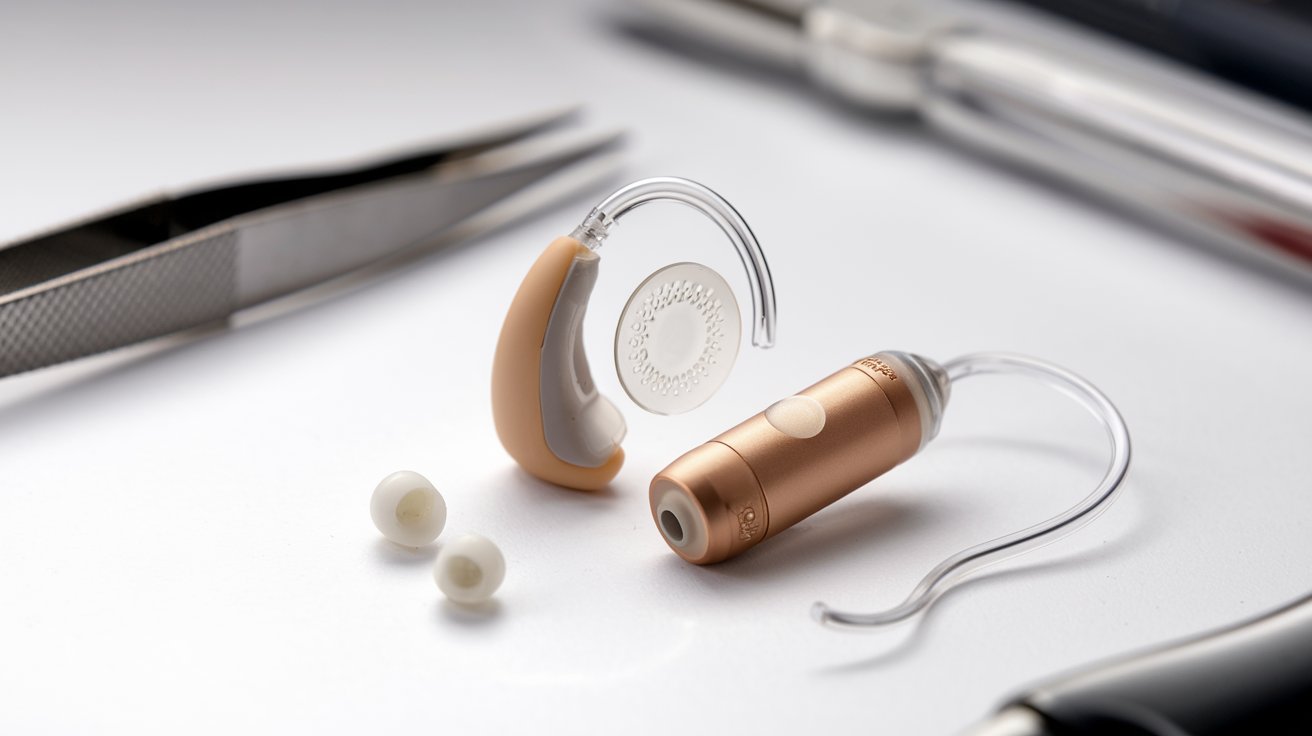
Begin by locating the filter on your hearing aid – typically found at the sound outlet or speaker end. Use the provided removal tool or tweezers to gently grasp the old filter’s edges, never pulling from the center mesh. The replacement process should take less than 60 seconds when performed correctly.
Tools Needed for Filter Replacement
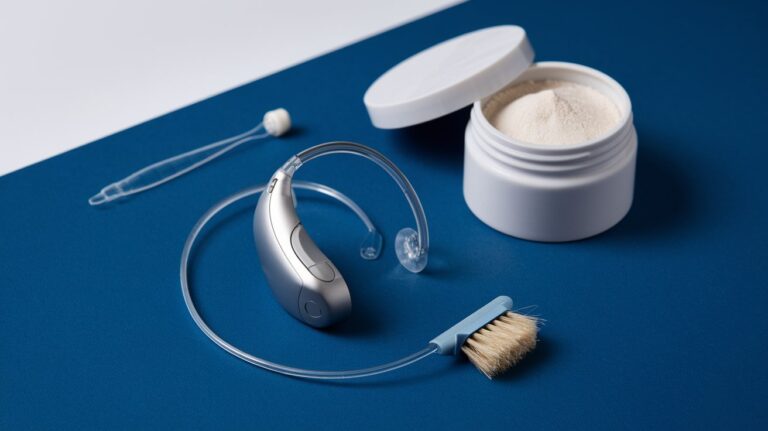
Essential tools for hearing aid filter replacement include the manufacturer-provided removal stick, clean tweezers with fine tips, good lighting source, and a soft cloth work surface. Many replacement kits include specialized tools designed for your specific hearing aid model. Keep replacement tools clean and store them in a dry location to prevent contamination.
Common Replacement Mistakes to Avoid
Avoid these frequent errors during filter replacement: using excessive force when removing old filters, touching the new filter’s mesh surface with fingers, installing filters upside down, or using filters designed for different hearing aid models. These mistakes can damage your device or reduce the new filter’s effectiveness significantly.
Are All Hearing Aid Wax Filters the Same Size
Hearing aid wax filters are not universally compatible – sizes and designs vary significantly between manufacturers and models. Major brands like Phonak, Oticon, ReSound, and Signia each use proprietary filter systems with specific dimensions and attachment mechanisms. Using incorrect filters can damage your device or provide inadequate protection.
Filter compatibility depends on your hearing aid’s receiver size, model generation, and manufacturer specifications. In 2024, industry standardization efforts have reduced some variation, but most brands still require specific replacement filters. Always verify part numbers and compatibility before purchasing to ensure proper fit and function.
Major Brand Filter Compatibility
Popular hearing aid brands use distinct filter systems: Phonak utilizes CeruStop filters, Oticon employs ProWax guards, ReSound uses NoWax filters, and Widex features Nanocare protection. Each system requires specific replacement parts that cannot be interchanged between brands. Check your hearing aid’s model number to identify the correct filter type needed.
Universal vs Brand-Specific Filters
While some companies market universal hearing aid filters, audiologists recommend using manufacturer-specific products for optimal performance. Brand-specific filters are engineered to match your device’s acoustic properties and receiver specifications. Generic alternatives may fit physically but could alter sound quality or provide inadequate protection against moisture and debris.
Where to Buy Hearing Aid Filters: Best Retailers
Finding quality hearing aid filters has become easier with expanded retail availability in 2024. Major pharmacy chains, online retailers, and specialized hearing care suppliers offer extensive selection and competitive pricing. Compare prices and shipping options to find the most cost-effective solution for your replacement needs.
Hearing Aid filters Walgreens locations stock popular brands and offer convenient in-store pickup options. CVS pharmacies also maintain hearing aid supply sections with competitive pricing on replacement filters. For broader selection, online retailers provide access to specialized filters for less common hearing aid models.
Pharmacy Chain Availability
Hearing aid filters near me searches often lead to major pharmacy chains with reliable inventory. Walgreens, CVS, and Rite Aid typically stock filters for popular hearing aid brands. Call ahead to verify specific filter availability, as inventory varies by location and seasonal demand patterns affect stock levels.
Online Retailers and Pricing
Amazon Hearing Aid Filters offers the largest selection with competitive pricing and fast shipping options. Specialized medical supply websites often provide bulk pricing and subscription services for regular users. Compare per-unit costs, as bulk purchases can reduce replacement expenses by 30-40% compared to single-pack purchases.
Brand-Specific Filter Replacement Instructions
Each major hearing aid manufacturer uses unique filter replacement systems requiring specific techniques. Understanding your brand’s particular method ensures successful replacements and prevents device damage. Most manufacturers provide detailed instructions with new hearing aids, but techniques can vary even within brand model lines.
How to change hearing aid filters Phonak devices involves their CeruStop system, which uses a two-sided removal tool. One end removes the old filter while the other installs the replacement. This dual-tool approach has become the industry standard adopted by several manufacturers for its efficiency and user-friendliness.
Cost Analysis: Filter Replacement Economics
Annual hearing aid filter replacement costs typically range from $50-150 depending on usage frequency and purchasing patterns. Bulk buying can reduce per-unit costs significantly, with savings of 30-50% compared to individual pack purchases. Consider subscription services offered by major retailers for additional convenience and cost savings.
Professional audiologist offices often charge premium prices for replacement filters, but may include installation services and compatibility verification. Weigh the convenience factor against potential savings from self-service options. In 2024, average filter costs have remained stable despite inflation, making replacement maintenance affordable for most hearing aid users.
Troubleshooting Common Filter Issues
Filter-related problems can significantly impact hearing aid performance if not addressed promptly. Common issues include improper installation, premature clogging, and compatibility problems with replacement parts. Understanding these challenges helps maintain consistent device function and prevents costly repairs or professional service calls.
If your hearing aid continues experiencing problems after filter replacement, verify correct installation orientation and ensure complete seating in the receiver port. Partially installed filters can cause sound distortion, feedback, or complete blockage. Professional cleaning may be necessary if problems persist despite proper filter maintenance.
Related video about hearing aid filter replacement
This video complements the article information with a practical visual demonstration.
Important things to know about hearing aid filter replacement
How do I change the filter on my hearing aid?
To change your hearing aid filter, first wash your hands and work in good lighting. Use the provided removal tool to gently pull out the old filter by its edges, never the center mesh. Insert the new filter with the colored side facing outward, ensuring it sits flush in the receiver port. The entire process takes less than 60 seconds when done correctly.
How often should I change my hearing aid filters?
Most users should change hearing aid filters every 2-4 weeks, though frequency varies by individual earwax production and environmental factors. Watch for signs like reduced volume, muffled sound, or visible buildup. People with higher earwax production may need weekly changes, while others can extend to 6-8 weeks between replacements.
Are all hearing aid wax filters the same size?
No, hearing aid wax filters are not universal. Each manufacturer uses proprietary designs with specific dimensions and attachment mechanisms. Phonak, Oticon, ReSound, and other brands require their own compatible filters. Always verify your hearing aid’s model number and use manufacturer-recommended replacement parts for proper fit and function.
What is the filter on a hearing aid?
A hearing aid filter, also called a wax guard or cerumen guard, is a small protective barrier that prevents earwax, moisture, and debris from entering the device’s speaker. These filters maintain sound quality by keeping the receiver clean and protecting sensitive internal components from damage caused by natural ear secretions.
Where can I buy hearing aid filters near me?
Hearing aid filters are available at major pharmacy chains like Walgreens, CVS, and Rite Aid. Many locations stock popular brands with in-store pickup options. Online retailers like Amazon offer broader selection and competitive pricing. Audiologist offices also sell filters but typically at higher prices than retail alternatives.
Can I clean and reuse hearing aid filters?
No, hearing aid filters are designed for single-use only and cannot be effectively cleaned or reused. The fine mesh material traps particles and moisture that cannot be removed without damaging the filter’s protective properties. Attempting to clean filters may push debris deeper or create tears that compromise protection.
| Filter Aspect | Recommended Action | Key Benefit |
|---|---|---|
| Replacement Frequency | Every 2-4 weeks or when symptoms appear | Maintains optimal sound quality and device longevity |
| Filter Compatibility | Use only manufacturer-specific filters | Ensures proper fit and acoustic performance |
| Purchase Location | Compare prices at pharmacies and online retailers | Cost savings up to 50% with bulk purchases |
| Installation Method | Follow brand-specific instructions carefully | Prevents device damage and ensures proper function |