Custom In-Ear Hearing Aids: Complete 2025 Buying Guide
Custom in-ear hearing aids represent the pinnacle of personalized hearing solutions, offering superior comfort and performance compared to one-size-fits-all devices. These precision-crafted devices, ranging from $2,500 to $8,000 per pair in 2025, provide discreet hearing enhancement tailored specifically to your ear canal anatomy and hearing loss pattern.
What Are Custom In-Ear Hearing Aids
Custom in-ear hearing aids are individually manufactured devices that fit entirely within your ear canal, created from precise impressions of your unique ear anatomy. Unlike standard hearing aids, these devices require professional ear mold impressions and laboratory manufacturing to ensure perfect fit and optimal acoustic performance.
The customization process involves audiologists taking detailed ear impressions using medical-grade silicone materials. These impressions are then sent to specialized laboratories where custom hearing aid molds are created using advanced 3D printing and traditional crafting techniques. The entire process typically takes 10-14 business days for completion in 2025.
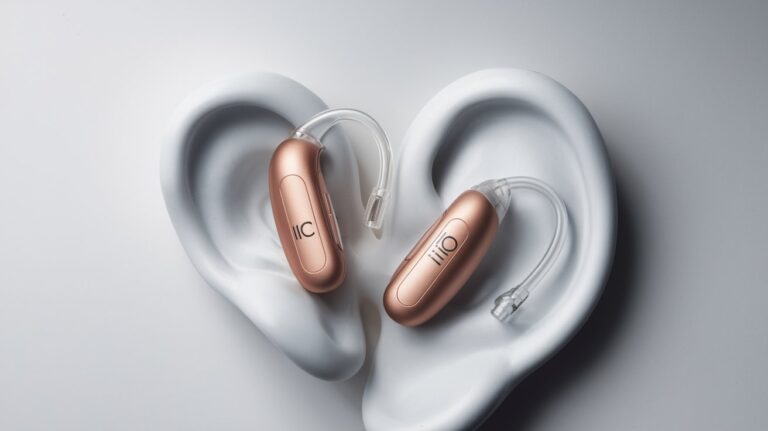
These devices come in various styles including Completely-in-Canal (CIC), Invisible-in-Canal (IIC), and In-the-Canal (ITC) configurations. Each style offers different levels of discretion and functionality, with ITE hearing aid price variations reflecting the complexity and features included in each model.
Custom Hearing Aids Cost Breakdown 2025
Understanding the custom hearing aids cost structure helps consumers make informed decisions about their hearing health investment. In 2025, basic custom in-ear models start around $2,500 per device, while premium technology versions can exceed $4,000 per hearing aid.
The total cost includes several components: initial audiological evaluation ($200-$500), ear impression taking ($100-$200), device manufacturing ($2,000-$3,500), professional fitting and programming ($300-$600), and follow-up adjustments ($100-$200 per visit). Most providers offer comprehensive packages ranging from $5,500 to $9,000 for a complete pair.
Insurance coverage varies significantly across providers, with Medicare typically covering 0-20% of costs, while private insurance may cover 50-80% depending on your plan. Many audiologists offer financing options with 0% interest for 12-24 months, making custom in-ear hearing aids more accessible to patients requiring personalized hearing solutions.
Leading Custom Hearing Aid Brands
The hearing aid industry features several manufacturers specializing in custom devices, each offering unique technologies and price points to meet diverse patient needs.
Starkey In-Ear Hearing Aids
Starkey hearing aids lead the custom device market with their Genesis AI and Evolv AI series, featuring advanced artificial intelligence and superior sound processing capabilities. Starkey’s custom models range from $2,800 to $4,200 per device, including their innovative Edge Mode technology for challenging listening environments.
The company’s Minnesota-based manufacturing facility produces over 1.2 million custom devices annually, utilizing proprietary 3D printing technology and traditional craftsmanship. Starkey in-the-ear hearing aids offer exceptional battery life, with their rechargeable models providing 24-hour usage on a single charge.
Oticon Custom Solutions
Oticon hearing aids excel in natural sound processing through their BrainHearing technology, available in custom configurations across their More and Real series. Oticon’s custom devices range from $2,600 to $3,800 per unit, with Oticon in ear hearing aids price reflecting their sophisticated sound processing algorithms.
The Danish manufacturer’s custom hearing aids feature MoreSound Intelligence, which analyzes and balances sounds 500 times per second. This technology provides users with improved speech understanding in noisy environments, making them ideal for active professionals and social situations.
Custom Hearing Aid Manufacturing Process
The creation of custom hearing aid molds involves precise technical processes combining traditional craftsmanship with cutting-edge technology. The journey begins with detailed ear canal impressions taken by certified audiologists using medical-grade silicone materials.
Digital scanning technology converts physical ear impressions into 3D computer models, allowing manufacturers to design devices with micron-level precision. Advanced CAD software optimizes the fit while accommodating electronic components and ensuring proper ventilation for ear health.
Manufacturing utilizes both traditional shell-building techniques and modern 3D printing technology. The process involves multiple quality control checkpoints, including dimensional verification, surface finish inspection, and electronic component testing. Each custom in-ear hearing aid undergoes comprehensive testing before shipment to ensure optimal performance and durability.
Advantages of Custom In-Ear Devices
Custom in-ear hearing aids offer numerous benefits over standard hearing solutions, making them the preferred choice for many users seeking optimal comfort and performance.
Superior Comfort and Fit
The personalized fit of custom devices eliminates common issues like slipping, whistling, or discomfort during extended wear. Custom hearing aid molds conform exactly to your ear canal shape, distributing weight evenly and reducing pressure points that cause irritation with standard devices.
This precise fit also improves acoustic seal, reducing feedback and enhancing sound quality. Users report wearing custom devices for 12-16 hours daily without discomfort, compared to 6-8 hours typical with standard hearing aids.
Enhanced Sound Quality
Custom devices provide superior sound quality through optimized acoustic coupling and reduced sound leakage. The perfect fit creates an ideal acoustic environment, allowing manufacturers to fine-tune frequency response curves specifically for each user’s hearing loss pattern and ear canal acoustics.
This customization results in clearer speech understanding, reduced background noise interference, and more natural sound reproduction. Studies show custom in-ear hearing aids provide 15-25% better speech understanding in noise compared to standard devices.
Potential Disadvantages and Limitations
While custom in-ear hearing aids offer significant advantages, potential users should understand certain limitations before making their investment decision.
The primary disadvantage involves the higher upfront cost and longer acquisition time compared to standard devices. Custom manufacturing requires 10-14 business days, making immediate fitting impossible for urgent hearing needs. Additionally, ear canal changes over time may require costly remakes every 3-5 years.
Physical limitations include reduced battery size in smaller custom models, limiting daily usage time. Deep canal placements may also cause occlusion effects, making your own voice sound hollow or echo-like. Some users experience increased earwax buildup due to the snug fit blocking natural wax migration.
Repair complexity represents another consideration, as custom hearing aid molds cannot be easily replaced with loaner units during service periods. This may result in temporary hearing aid downtime lasting 5-10 business days for major repairs.
Fitting Process and Professional Care
Successful custom in-ear hearing aid fitting requires experienced audiological care throughout the entire process, from initial evaluation through long-term maintenance and adjustments.
The fitting process begins with comprehensive hearing evaluation and lifestyle assessment to determine appropriate technology levels and features. Ear canal inspection ensures suitability for custom devices, as certain anatomical conditions may preclude safe fitting.
Professional ear impression taking requires specific techniques to capture complete canal anatomy while ensuring patient comfort and safety. Audiologists use specialized impression materials and techniques to avoid deep insertion that could damage delicate ear structures.
Device delivery includes comprehensive programming using real-ear measurement systems to verify proper amplification across frequency ranges. Fine-tuning sessions over 30-60 days ensure optimal performance as users adapt to their new custom in-ear hearing aids.
Technology Features in Modern Custom Devices
Contemporary custom in-ear hearing aids incorporate sophisticated technologies previously available only in larger behind-the-ear models, providing comprehensive hearing solutions in discreet packages.
Wireless Connectivity and Smartphone Integration
Modern custom devices feature Bluetooth connectivity, allowing direct streaming from smartphones, tablets, and other compatible devices. This technology enables hands-free phone calls, music streaming, and access to hearing aid apps for remote adjustment capabilities.
Smartphone integration provides users with real-time control over volume, program selection, and environmental settings. Advanced models include AI-powered scene detection that automatically adjusts settings based on listening environment, improving user experience without manual intervention.
Rechargeable Battery Systems
Rechargeable custom hearing aid molds now accommodate lithium-ion battery systems providing 20-30 hour usage cycles on single charges. These systems eliminate the need for weekly battery changes while providing consistent power delivery throughout the day.
Fast-charging capabilities provide 3-4 hours of usage from 15-minute charging sessions, ensuring users never experience unexpected power loss. Portable charging cases offer additional power for travel situations and emergency backup charging capabilities.
Maintenance and Longevity
Proper maintenance significantly extends the lifespan of custom in-ear hearing aids, with well-maintained devices typically lasting 5-7 years before requiring replacement or significant repairs.
Daily cleaning routines include gentle wiping with soft, dry cloths and regular wax removal using manufacturer-provided tools. Monthly deep cleaning with specialized solutions removes accumulated debris and maintains optimal acoustic performance.
Professional maintenance visits every 3-6 months ensure continued optimal performance through comprehensive cleaning, testing, and minor adjustments. These visits also provide opportunities to address any fit changes or performance concerns before they become significant problems requiring costly interventions.
Choosing the Right Custom Hearing Aid
Selecting appropriate custom in-ear hearing aids requires careful consideration of hearing loss degree, lifestyle requirements, technology preferences, and budget constraints to ensure optimal long-term satisfaction.
Hearing loss severity determines suitable custom device styles, with mild-to-moderate losses accommodating smaller CIC and IIC models, while severe losses may require larger ITC or full-shell configurations for adequate amplification power.
Lifestyle assessment identifies necessary features such as noise reduction capabilities for active professionals, wireless connectivity for technology users, or extended battery life for long work days. These requirements directly influence custom hearing aids cost and technology selection.
Professional audiological consultation provides expert guidance through the selection process, ensuring chosen devices meet both current and anticipated future hearing needs while staying within budget parameters and insurance coverage limitations.
Essential Q&A about custom in the-ear hearing aids
How much does it cost to get custom ear molds for hearing aids?
Custom ear molds for hearing aids typically cost $100-$200 per ear for the impression process, plus $2,500-$4,000 per device for the complete custom hearing aid. Total costs range from $5,500-$9,000 for a pair, including professional fitting and programming services.
What is the disadvantage of an in-ear hearing aid?
The main disadvantages include higher costs ($2,500-$4,000 per device), longer acquisition time (10-14 days), potential occlusion effects, smaller batteries requiring frequent charging, and increased earwax buildup. Some users also experience difficulty with insertion and removal of custom in-ear hearing aids.
Can hearing aids be custom made?
Yes, custom hearing aids are individually manufactured using precise ear canal impressions and advanced 3D printing technology. Major manufacturers like Starkey, Oticon, and others create personalized devices tailored to each user’s unique ear anatomy and hearing loss pattern.
How much does an in-ear hearing aid cost?
In 2025, ITE hearing aid prices range from $2,500-$4,200 per device, depending on technology level and manufacturer. Premium models with AI processing and wireless connectivity cost $3,500-$4,200, while basic models start around $2,500 per hearing aid.
How long do custom hearing aids last?
Well-maintained custom in-ear hearing aids typically last 5-7 years before requiring replacement. Factors affecting longevity include daily usage hours, environmental conditions, maintenance quality, and ear canal changes over time that may necessitate earlier replacement.
Are custom hearing aids covered by insurance?
Insurance coverage varies significantly, with Medicare covering 0-20% of costs and private insurance covering 50-80% depending on your specific plan. Many audiologists offer financing options for custom hearing aids cost, including 0% interest payment plans for 12-24 months.
| Key Aspect | Important Details | Benefit |
|---|---|---|
| Custom Fit | Individually crafted from ear impressions | Superior comfort and sound quality |
| Cost Range | $5,500-$9,000 per pair in 2025 | Long-term value with 5-7 year lifespan |
| Manufacturing Time | 10-14 business days for completion | Precision manufacturing ensures perfect fit |
| Technology Features | Bluetooth, AI processing, rechargeable batteries | Modern convenience in discreet package |
| Professional Care | Comprehensive fitting and ongoing support | Optimal performance and satisfaction |