Open Fit Hearing Aids 2025: Complete Guide & Best Models
Open fit hearing aids represent a revolutionary approach to hearing assistance, featuring a design that leaves the ear canal partially open while delivering amplified sound directly to your ear. Unlike traditional closed-fit models, these devices allow natural sounds to enter your ear while providing targeted amplification for specific frequencies, making them ideal for individuals with mild to moderate high-frequency hearing loss.
What Are Open Fit Hearing Aids and How They Work
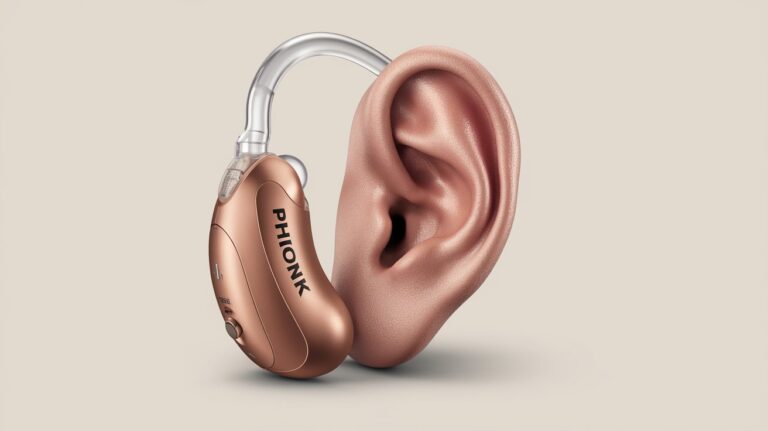
Open fit hearing aids utilize a unique design philosophy that combines the benefits of amplification with natural hearing. These devices feature a thin tube or wire that connects to a small speaker placed near the ear drum, while leaving most of the ear canal unobstructed. The open hearing aid design allows low-frequency sounds to pass through naturally while amplifying higher frequencies where hearing loss typically occurs.
The technology works through advanced digital processing that analyzes incoming sounds and selectively amplifies specific frequencies. This selective amplification prevents the occlusion effect, which causes your own voice to sound hollow or boomy. Most open fit hearing aids in 2025 feature sophisticated algorithms that can distinguish between speech and background noise, providing clearer communication in various environments.
Open Fit Design Components
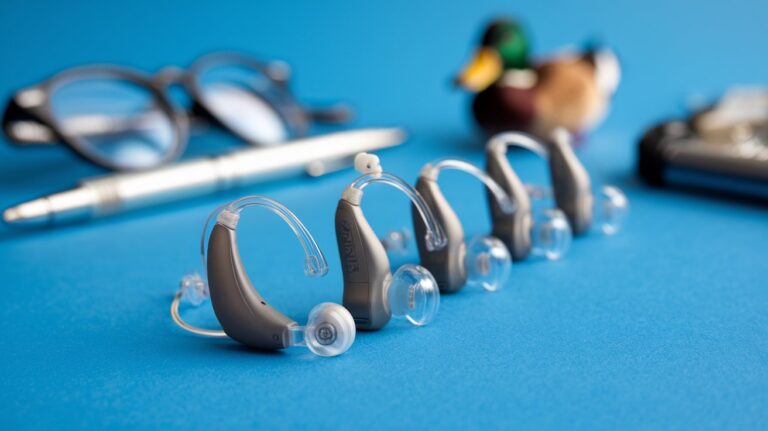
The core components of open fit hearing aids include a behind-the-ear processor, ultra-thin tubing, and small open domes that sit lightly in the ear canal. These open domes are typically made from soft silicone and come in various sizes to ensure comfortable fit without completely sealing the ear canal.
Digital Processing Technology
Modern open fit hearing aids employ advanced digital signal processing with features like directional microphones, noise reduction algorithms, and automatic program switching. These technologies work together to provide optimal hearing assistance while maintaining the natural acoustics of open hearing aid design.
Benefits and Advantages of Open Fit Hearing Aids
The primary advantage of open fit hearing aids lies in their ability to preserve natural hearing while providing targeted amplification. Users experience improved comfort since the ear canal remains ventilated, reducing moisture buildup and preventing the plugged sensation common with closed-fit devices. This design significantly reduces feedback issues that plague traditional hearing aids.
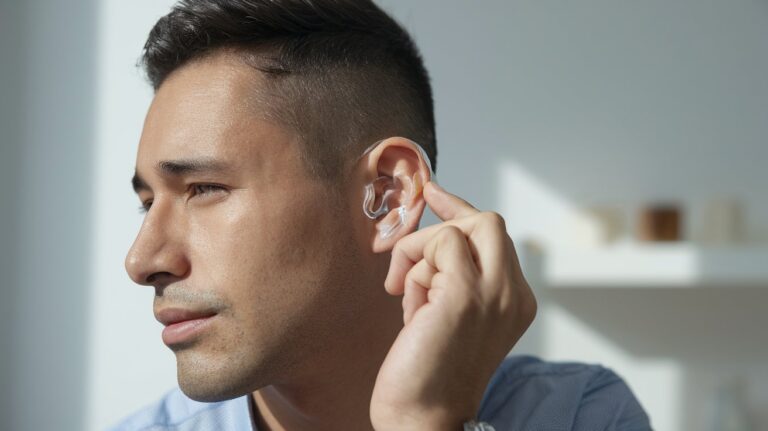
Open fit hearing aids excel in providing natural sound quality, allowing users to hear their own voice normally while benefiting from amplified speech and environmental sounds. The cosmetic appeal is substantial, as these devices are nearly invisible when worn, addressing concerns about appearance that prevent many people from seeking hearing assistance.
Comfort and Lifestyle Benefits
The open fit design eliminates the uncomfortable feeling of having blocked ears, making these devices suitable for extended wear throughout the day. Users report higher satisfaction rates due to reduced ear canal irritation and improved air circulation within the ear.
Sound Quality Advantages
Open fit hearing aids preserve the natural acoustics of the outer ear, allowing spatial hearing cues to remain intact. This preservation helps users maintain their ability to localize sounds and understand speech in complex listening environments more effectively than closed-fit alternatives.
Open Fit vs Closed Fit Hearing Aids Comparison
When comparing open fit vs closed fit hearing aids, the choice depends significantly on your degree of hearing loss and lifestyle preferences. Closed fit hearing aids provide more amplification power and are better suited for moderate to severe hearing loss, while open fit models excel for mild to moderate high-frequency losses.
Open domes allow natural low-frequency sounds to pass through while amplifying higher frequencies, making them ideal for individuals who have good low-frequency hearing but struggle with high-pitched sounds like consonants. Closed domes seal the ear canal completely, providing maximum amplification but potentially causing occlusion effects and reduced comfort for some users.
Open Fit Hearing Aid Costs and Pricing in 2025
Open fit hearing aid prices in 2025 range from $1,200 to $6,000 per pair, depending on technology level and features. Entry-level models with basic amplification start around $1,200-$2,500, while premium devices with advanced features like artificial intelligence and smartphone connectivity can cost $4,000-$6,000 per pair.
Many insurance plans now cover open fit hearing aids partially, with Medicare Advantage plans often providing $1,000-$3,000 in coverage per ear every three years. The cost varies significantly based on audiologist services, warranty coverage, and included follow-up care. Most manufacturers offer financing options with monthly payments ranging from $50-$200 per month for premium models.
Insurance Coverage and Financing Options
Major insurance providers increasingly recognize open fit hearing aids as essential medical devices, with coverage ranging from $500-$3,000 per device. Veterans Affairs provides comprehensive coverage for eligible veterans, while employer health plans often include hearing aid benefits as standard coverage.
Value-Based Purchasing Considerations
When evaluating open fit hearing aid prices, consider the total cost of ownership including battery replacement, maintenance, and professional services. Premium models often provide better long-term value through extended warranties and advanced features that reduce the need for frequent adjustments.
Best Open Fit Hearing Aids of 2025
The best open fit hearing aids of 2025 combine advanced technology with superior comfort and reliability. Leading models include the Phonak Audéo Paradise, ReSound ONE, and Widex Moment series, each offering unique advantages for different user needs and preferences.
Top-rated open fit hearing aids feature rechargeable batteries, Bluetooth connectivity, and AI-powered sound processing. These devices automatically adapt to different listening environments while maintaining the natural sound quality that makes open fit designs so appealing to users with mild to moderate hearing loss.
Premium Technology Features
Best open fit hearing aids now include machine learning capabilities that adapt to individual preferences over time, smartphone apps for remote control, and streaming capabilities for direct audio from phones, TVs, and music devices.
Reliability and Warranty Coverage
Leading manufacturers of open fit hearing aids provide comprehensive warranties ranging from 2-4 years, including damage protection and replacement coverage. Premium models often include extended warranties and premium service packages for optimal long-term performance.
Open Fit Hearing Aids at Costco and Retail Options
Open fit hearing aids Costco locations offer competitive pricing and professional services through their hearing centers. Costco’s Kirkland Signature models provide excellent value, typically costing 30-50% less than comparable devices from traditional audiologists while maintaining high quality and comprehensive support services.
Costco’s hearing centers staff licensed hearing aid dispensers who provide comprehensive testing, fitting, and follow-up care for open fit hearing aids. Their membership-based model allows for unlimited adjustments and cleaning services, making them an attractive option for budget-conscious consumers seeking professional care.
How to Choose the Right Open Fit Hearing Aid
Selecting the ideal open fit hearing aid requires careful consideration of your specific hearing loss pattern, lifestyle needs, and technology preferences. Begin with a comprehensive hearing evaluation to determine if your hearing loss profile matches the strengths of open fit designs, particularly for high-frequency losses with preserved low-frequency hearing.
Consider your daily activities and environments when choosing open fit hearing aids. Active individuals may benefit from models with robust moisture protection and secure retention systems, while technology enthusiasts might prioritize Bluetooth connectivity and smartphone integration features. The fit should feel comfortable for extended wear without causing irritation or feedback issues.
Disadvantages and Limitations of Open Fit Hearing Aids
While open fit hearing aids offer numerous benefits, they have specific limitations that potential users should understand. These devices are not suitable for severe hearing loss because the open design limits maximum amplification power without causing feedback. Individuals with significant low-frequency hearing loss may not benefit from the natural sound passage that defines open fit technology.
The disadvantages of open fit hearing aids include reduced effectiveness in very noisy environments where maximum amplification is needed, potential for earwax blockage of the small receivers, and higher susceptibility to moisture damage due to their delicate components. Additionally, the thin tubing and small domes require more careful handling and may need frequent replacement compared to traditional hearing aid components.
Related video about open fit hearing aids
This video complements the article information with a practical visual demonstration.
Important things to know about open fit hearing aids
What are the disadvantages of open fit hearing aids?
Open fit hearing aids have several limitations including reduced amplification power making them unsuitable for severe hearing loss, increased susceptibility to moisture damage due to delicate components, potential for earwax blockage of receivers, and less effectiveness in extremely noisy environments. They also require more careful handling due to thin tubing and may need more frequent component replacements than traditional closed-fit models.
How much do open fit hearing aids cost in 2025?
Open fit hearing aids in 2025 cost between $1,200-$6,000 per pair depending on technology level and features. Entry-level models range from $1,200-$2,500, while premium devices with advanced features cost $4,000-$6,000. Many insurance plans provide partial coverage of $500-$3,000 per device, and financing options are available with monthly payments of $50-$200.
What does open fit hearing aid mean?
An open fit hearing aid refers to a design that leaves the ear canal partially open while delivering amplified sound through a thin tube and small receiver. This allows natural low-frequency sounds to enter the ear normally while providing targeted amplification for higher frequencies, reducing the plugged feeling common with traditional closed-fit hearing aids.
Which are better, open or closed hearing aid domes?
Open domes are better for mild to moderate high-frequency hearing loss as they allow natural sound passage and prevent occlusion effects, providing more comfortable wear. Closed domes are superior for moderate to severe hearing loss requiring maximum amplification power. The choice depends on your specific hearing loss pattern, with open domes offering better comfort and natural sound quality for appropriate candidates.
| Key Aspect | Important Details | Benefit |
|---|---|---|
| Design Type | Open ear canal with thin tubing | Natural hearing preservation |
| Best Candidacy | Mild to moderate high-frequency loss | Targeted amplification where needed |
| Cost Range 2025 | $1,200-$6,000 per pair | Multiple price points available |
| Comfort Level | Superior ventilation and fit | All-day comfortable wearing |