Word Recognition Score Guide: Interpretation & Results 2025
A word recognition score measures your ability to correctly identify spoken words at comfortable listening levels, typically expressed as a percentage. This critical hearing test helps audiologists determine the severity of your hearing loss and guide treatment decisions. Understanding your word recognition score interpretation is essential for managing hearing health effectively in 2025.
What is Word Recognition Score and How It Works
Word recognition score, also known as speech discrimination score, evaluates how well you understand speech when volume isn’t the limiting factor. During testing, you’ll listen to a list of single-syllable words presented at a comfortable loudness level, typically 40 decibels above your speech reception threshold. The audiologist records the percentage of words you repeat correctly, creating your word recognition score percentages.
The test uses standardized word lists like NU-6 or W-22, containing phonetically balanced words that represent typical English speech sounds. Your score reflects the clarity of your hearing system’s ability to process and distinguish between different speech sounds, independent of volume requirements. This measurement is crucial for determining candidacy for hearing aids versus cochlear implants in 2025.
Word Recognition vs Speech Recognition Score Differences
While often used interchangeably, word recognition score and speech recognition score have distinct differences in audiology. Word recognition specifically measures single-word identification at suprathreshold levels, while speech recognition encompasses broader communication abilities including sentence comprehension and noise environments. Understanding this distinction helps patients better interpret their hearing test results and treatment recommendations.
Modern Testing Equipment and Procedures in 2025
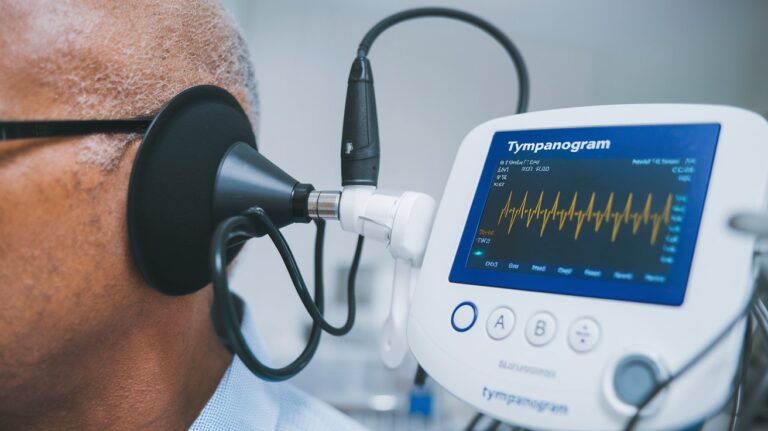
Current word recognition testing utilizes advanced audiometric equipment with precise calibration standards. Digital audiometers now provide consistent stimulus presentation, while soundproof booths ensure accurate environmental control. Many clinics have adopted computer-based testing systems that automatically score responses and generate comprehensive word recognition score charts for immediate interpretation.
Normal Word Recognition Score Ranges and Interpretation
A normal word recognition score typically falls between 88-100% for individuals with normal hearing or mild hearing loss. Scores of 80-87% indicate good word recognition ability, while 60-79% represents fair performance that may benefit from amplification. Scores below 60% suggest poor word recognition that often requires more aggressive intervention strategies in 2025.
The word recognition score interpretation considers both the percentage achieved and the patient’s pure tone thresholds. A score of 72% might be excellent for someone with severe hearing loss but concerning for mild hearing loss. Audiologists use performance-intensity functions to understand how scores change with different presentation levels, providing comprehensive insight into auditory processing capabilities.
Word Recognition Score Chart Classifications
Standard word recognition score chart classifications include: Excellent (90-100%), Good (80-89%), Fair (60-79%), Poor (40-59%), and Very Poor (below 40%). These categories help audiologists communicate results effectively and establish realistic expectations for hearing aid performance. However, individual factors like cognitive function and listening experience can influence these general classifications in clinical practice.
Age-Related Word Recognition Score Changes
Research in 2024-2025 shows that word recognition scores typically decline with age, even when pure tone thresholds remain stable. Adults over 65 may experience 5-10% lower scores compared to younger individuals with identical hearing thresholds. This age-related decline reflects changes in central auditory processing rather than peripheral hearing loss, influencing treatment approaches for older patients.
Word Recognition Testing Procedures and Best Practices
Proper word recognition testing requires standardized protocols to ensure reliable results. The test typically begins 30-40 dB above the speech recognition threshold, with words presented at a rate of one every 3-4 seconds. Patients should repeat each word immediately, and audiologists must score responses using strict phonetic criteria rather than meaning-based interpretations.
Best practices in 2025 include using recorded stimuli rather than live voice presentation to eliminate examiner variability. The testing environment must meet ANSI standards for background noise, and equipment calibration should follow current ASHA guidelines. Multiple word lists may be used to establish reliable scores, particularly when results will influence major treatment decisions like cochlear implant candidacy.
Common Testing Errors and How to Avoid Them
Frequent word recognition testing errors include inconsistent stimulus presentation levels, inadequate patient instruction, and incorrect scoring criteria. Audiologists must ensure patients understand they should repeat words exactly as heard, not guess meanings. Environmental factors like lighting, seating position, and elimination of visual cues also significantly impact test reliability and validity.
Alternative Word Recognition Testing Methods
Modern audiology offers alternative word recognition testing approaches for special populations. Picture-pointing tests serve pediatric patients or those with speech difficulties, while sentence recognition tests better reflect real-world listening challenges. Computerized adaptive testing adjusts difficulty levels automatically, providing more precise measurements for research and complex diagnostic cases in 2025.
Clinical Applications and Treatment Decisions
Word recognition scores directly influence hearing aid fitting strategies and realistic outcome expectations. Patients with excellent scores (90-100%) typically achieve high satisfaction with conventional amplification, while those with poor scores (below 60%) may require specialized programming or alternative technologies. These scores also help predict speech understanding in noise and overall communication success.
For cochlear implant candidacy evaluation, word recognition scores below 50% in the better ear often support device consideration. However, 2025 criteria increasingly consider sentence recognition in noise and quality of life measures alongside traditional word recognition testing. The integration of these multiple measures provides a more comprehensive assessment of communication needs and treatment options.
Hearing Aid Programming Considerations
Audiologists use word recognition scores to customize hearing aid features and counseling approaches. Patients with good word recognition may benefit from aggressive high-frequency emphasis, while those with poor scores require more conservative fitting approaches with extensive auditory training recommendations. Modern hearing aids incorporate these findings into automatic programming algorithms for optimal patient outcomes.
Monitoring Treatment Progress Over Time
Serial word recognition score measurements track treatment effectiveness and hearing changes over time. Significant declines may indicate progression of hearing loss or need for device adjustments, while improvements suggest successful rehabilitation outcomes. Documentation of these changes supports insurance coverage decisions and guides long-term audiological management strategies in 2025.
Related video about word recognition score
This video complements the article information with a practical visual demonstration.
Key Questions and Answers
What is a good word recognition score?
A good word recognition score ranges from 80-89%, indicating strong speech understanding ability. Scores above 90% are considered excellent, while 60-79% represents fair performance that may benefit from hearing aids. Individual results should always be interpreted alongside pure tone thresholds and patient-specific factors.
What is the word recognition test for hearing loss?
The word recognition test measures how clearly you understand speech by presenting single-syllable words at comfortable listening levels. You repeat each word heard, and the audiologist calculates the percentage correct. This test helps determine hearing loss severity and appropriate treatment options including hearing aids or cochlear implants.
What is a normal SRT score?
A normal Speech Reception Threshold (SRT) score ranges from -10 to +10 dB HL for individuals with normal hearing. The SRT represents the softest level at which you can correctly repeat 50% of spondee words. This measurement typically correlates closely with pure tone average thresholds at 500, 1000, and 2000 Hz.
What is the difference between word recognition score and speech recognition score?
Word recognition score specifically measures single-word identification at suprathreshold levels, while speech recognition score encompasses broader communication abilities including sentence comprehension and performance in background noise. Both are important but measure different aspects of hearing and speech understanding capabilities.
How often should word recognition testing be performed?
Word recognition testing should be performed annually for hearing aid users and every 2-3 years for individuals with stable hearing loss. More frequent testing may be necessary when experiencing communication difficulties, considering device upgrades, or monitoring progressive hearing conditions that could affect speech understanding abilities.
Can word recognition scores improve with treatment?
Word recognition scores can improve with appropriate treatment including properly fitted hearing aids, auditory training programs, and cochlear implants for severe cases. However, improvements depend on the underlying cause of hearing loss, duration of hearing deprivation, and individual factors like cognitive function and motivation for rehabilitation.
| Score Range | Classification | Treatment Implications |
|---|---|---|
| 90-100% | Excellent | High hearing aid success rates |
| 80-89% | Good | Good amplification outcomes |
| 60-79% | Fair | May require advanced features |
| 40-59% | Poor | Consider cochlear implants |
| Below 40% | Very Poor | Cochlear implant candidate |