Telecoil Hearing Aid Guide 2025: T-Coil Benefits & Compatibility
A telecoil hearing aid features a small magnetic coil that picks up electromagnetic signals from hearing loops and compatible devices. This technology, also known as a T-coil, dramatically improves sound quality in public venues while reducing background noise. Over 70% of hearing aids manufactured in 2024 include telecoil functionality, making it an essential feature for enhanced hearing accessibility across the United States.
What is a Telecoil in Hearing Aids
A telecoil is a small copper wire coiled around a metal core inside your hearing aid that acts as a wireless antenna. When activated, the T-coil picks up electromagnetic signals from hearing loop systems, telephone handsets, and other compatible audio sources. Unlike traditional microphones that amplify all sounds including background noise, telecoil technology delivers clear, direct audio signals straight to your ear.
The telecoil system operates on electromagnetic induction principles, converting magnetic fields into electrical signals that your hearing aid then processes and amplifies. This technology has been refined significantly in 2024, with modern T-coils being 40% more sensitive than previous generations while maintaining compact size requirements for today’s smaller hearing aid designs.
How to Identify if Your Hearing Aid Has a T-Coil
Most hearing aid users can identify T-coil capability through several methods. First, look for the universal telecoil symbol – a stylized ear with a curved line through it – printed on your device or packaging. Second, check your hearing aid settings menu; T-coil compatible devices typically display a ‘T’ or ‘MT’ program option alongside normal microphone settings.
If you’re uncertain about your device’s capabilities, consult your hearing care professional or reference your user manual. Approximately 85% of behind-the-ear hearing aids manufactured after 2022 include T-coil functionality, while only 60% of completely-in-canal models feature this technology due to size constraints. Many audiologists recommend specifically requesting telecoil capability when purchasing new hearing aids.
Visual Identification Methods
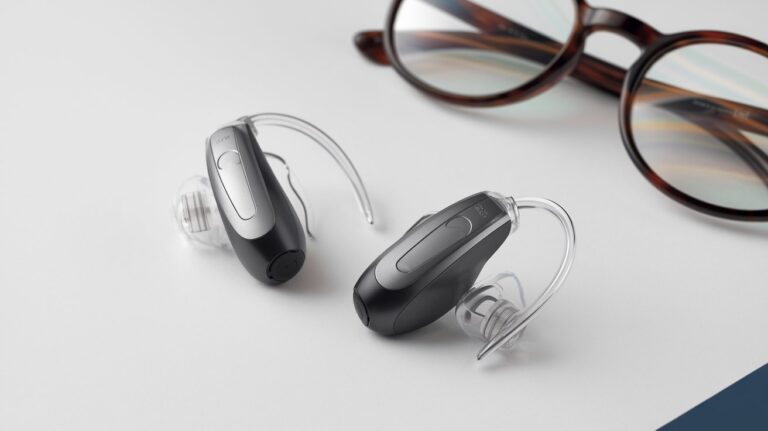
The most reliable way to identify telecoil hearing aid capability is through visual inspection of the device itself. Look for small switches, buttons, or program indicators labeled with ‘T’, ‘MT’, or the international telecoil symbol. Modern digital hearing aids may display these options on LED screens or through smartphone apps connected to your device.
Professional Verification
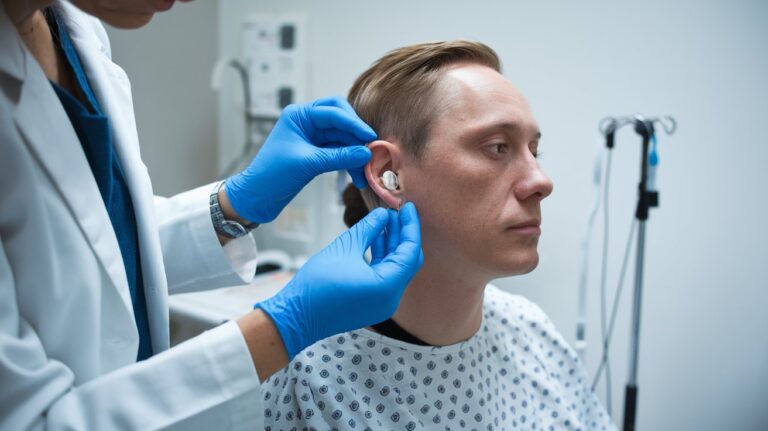
Your audiologist can definitively confirm T-coil presence and optimal programming during regular appointments. They can also test the telecoil’s sensitivity and adjust settings for maximum performance in various environments. Professional verification ensures your hearing aid telecoil is properly calibrated for hearing loop systems commonly found throughout the United States.
How to Activate Your Telecoil Hearing Aid
Activating your telecoil hearing aid varies by manufacturer and model, but most devices offer simple switching methods. Many hearing aids feature a dedicated T-coil button or program selector that cycles through microphone-only (M), telecoil-only (T), and combination (MT) modes. Digital hearing aids often include smartphone apps that allow remote T-coil activation and adjustment.
For optimal performance, position yourself within 6 feet of hearing loop systems when using telecoil mode. The T-setting works best in venues equipped with hearing loops, while the MT setting allows simultaneous use of both microphone and telecoil for conversations. Always test your telecoil function before important events or meetings to ensure proper operation.
Manual Activation Steps
Most hearing aid models with manual controls require pressing a program button or moving a switch to access T-coil mode. Listen for audio cues or voice prompts that announce ‘telecoil’ or ‘T-program’ activation. Some devices produce distinct beeping patterns to indicate successful telecoil engagement and proper electromagnetic signal reception.
Digital App Activation
Modern telecoil hearing aids often connect to manufacturer smartphone applications that provide intuitive activation controls. These apps typically display visual indicators when T-coil mode is active and may offer environmental presets optimized for different hearing loop venues. App-based control allows discrete activation without drawing attention in public settings.
Telecoil vs Bluetooth Technology Comparison
Telecoil and Bluetooth serve different purposes in hearing aid connectivity, with each offering unique advantages. While Bluetooth enables direct streaming from phones, tablets, and other personal devices, telecoil technology specifically targets public accessibility through hearing loop systems. Telecoil requires no battery power and works universally with any loop system, whereas Bluetooth connections consume more battery and require device-specific pairing.
In 2024, many premium hearing aids incorporate both technologies, allowing users to benefit from personal Bluetooth streaming and public telecoil access. Telecoil technology proves superior in large venues where Bluetooth range limitations become problematic, while Bluetooth excels for personal audio streaming and phone conversations.
Battery Life Considerations
Telecoil hearing aids consume minimal additional battery power during T-coil operation, as the electromagnetic induction process requires no active transmission. Conversely, Bluetooth connectivity can reduce hearing aid battery life by 20-30% during active streaming sessions. This makes telecoil technology ideal for extended use in public venues without battery concerns.
Range and Compatibility
Hearing loop systems with telecoil compatibility can cover entire auditoriums, theaters, and large public spaces uniformly. Bluetooth technology typically limits connectivity to 30 feet and requires direct line-of-sight for optimal performance. Universal T-coil compatibility means any telecoil hearing aid works with any properly installed hearing loop system worldwide.
Understanding Hearing Loop Systems
A hearing loop system creates an electromagnetic field that transmits audio directly to telecoil-equipped hearing aids within the looped area. Professional installations include an amplifier connected to audio sources and a wire loop around the perimeter of the coverage area. When activated, your T-coil hearing aid receives clear, noise-free audio directly from microphones, sound systems, or other input sources.
The United States has seen significant growth in hearing loop installations, with over 8,000 venues featuring this technology as of 2024. Major chains including Walgreens, CVS pharmacies, and many airport terminals have implemented hearing loop systems to improve accessibility for the estimated 48 million Americans with hearing difficulties.
Where to Find Hearing Loop Systems in the US
Public venues across America increasingly feature hearing loop systems compatible with telecoil hearing aids. Major airports including JFK, LAX, and Chicago O’Hare have installed loops in gate areas and customer service counters. Many theater chains, including AMC and Regal, offer looped theaters in major metropolitan areas, while houses of worship represent the fastest-growing segment for hearing loop adoption.
Government buildings, museums, and educational facilities frequently feature hearing loop technology to comply with ADA accessibility requirements. The Loop America organization maintains an online database of confirmed hearing loop locations, helping telecoil hearing aid users locate compatible venues throughout the United States.
Entertainment Venues
Movie theaters, concert halls, and performing arts centers increasingly install hearing loop systems to serve patrons with telecoil hearing aids. Major entertainment districts in cities like New York, Los Angeles, and Chicago lead the nation in loop system availability, with over 200 theaters featuring this technology as of 2024.
Transportation Hubs
Airports, train stations, and bus terminals utilize hearing loop technology for improved passenger communication. TSA security checkpoints, airline gate areas, and customer service desks commonly feature telecoil-compatible systems. This ensures T-coil hearing aid users receive clear announcements and can communicate effectively with transportation staff.
T-Coil Compatibility with Cell Phones
Modern smartphones work excellently with T-coil hearing aids when the phone includes telecoil compatibility ratings. Look for phones rated M3/T3 or higher for optimal performance, with M4/T4 representing the best compatibility levels. Most major smartphone manufacturers including Apple and Samsung design current models to work seamlessly with telecoil technology.
When using your phone with a T-coil, position the device near your hearing aid’s telecoil receiver for best results. Many users report significantly clearer phone conversations when using telecoil mode compared to standard microphone operation, particularly in noisy environments where background sounds would otherwise interfere with call quality.
Leading Telecoil Hearing Aid Brands
Oticon telecoil hearing aids represent industry leadership in T-coil technology, offering advanced programming options and superior electromagnetic sensitivity. Other major manufacturers including Phonak, ReSound, and Widex incorporate sophisticated telecoil systems in their premium hearing aid lines, with 2024 models featuring enhanced T-coil performance and smartphone integration.
When selecting a telecoil hearing aid, consider brands that offer comprehensive T-coil programming options and professional fitting services. Oticon’s More and Real series, Phonak’s Paradise and Lumity lines, and ReSound’s ONE and NEXIA models all feature advanced telecoil capabilities designed for optimal performance with hearing loop systems throughout the United States.
Installing Home Hearing Loop Systems
Home hearing loop systems allow telecoil hearing aid users to enjoy enhanced television viewing, music listening, and phone conversations in their personal spaces. Professional installation typically costs $1,500-$4,000 depending on room size and complexity, while DIY kits start around $300 for basic single-room coverage.
Room loops work particularly well in family rooms, bedrooms, and home offices where T-coil hearing aid users spend significant time. Portable loop systems offer flexibility for temporary installations or multiple room use, with many models featuring wireless connectivity to smartphones, televisions, and audio systems throughout your home.
Related video about telecoil hearing aid
This video complements the article information with a practical visual demonstration.
What you should know
What is the telecoil on a hearing aid?
A telecoil is a small copper wire coil inside hearing aids that picks up electromagnetic signals from hearing loops and compatible devices. It acts as a wireless antenna, delivering clear audio directly to your ear while reducing background noise. Telecoils work through electromagnetic induction and are found in about 70% of hearing aids manufactured in 2024.
How do I know if my hearing aid has a T-coil?
Look for the universal telecoil symbol (an ear with a curved line) on your hearing aid or check for ‘T’ or ‘MT’ program options in your device settings. You can also consult your user manual or ask your audiologist. About 85% of behind-the-ear hearing aids include T-coil functionality, while 60% of in-canal models feature this technology.
How do I activate my telecoil hearing aid?
Activation methods vary by model but typically involve pressing a program button, moving a switch, or using a smartphone app. Look for audio cues or voice prompts announcing ‘telecoil’ or ‘T-program’ mode. Many devices cycle through microphone-only (M), telecoil-only (T), and combination (MT) modes with each button press.
Is telecoil the same as Bluetooth?
No, telecoil and Bluetooth are different technologies. Telecoil picks up electromagnetic signals from hearing loops in public venues and requires no battery power, while Bluetooth streams audio from personal devices and consumes more battery. Many premium hearing aids include both technologies for maximum connectivity options.
Do I need a telecoil hearing aid?
If you frequently visit theaters, airports, places of worship, or other public venues, a telecoil hearing aid significantly improves your listening experience. With over 8,000 hearing loop locations across the US as of 2024, telecoil technology provides valuable accessibility benefits for enhanced communication in public spaces.
Which hearing aid brands offer the best telecoil technology?
Leading brands include Oticon, Phonak, ReSound, and Widex, all offering advanced telecoil capabilities in their 2024 models. Oticon’s More and Real series, Phonak’s Paradise and Lumity lines, and ReSound’s ONE and NEXIA models feature superior T-coil performance with comprehensive programming options and smartphone integration.
| Key Aspect | Important Details | Benefit |
|---|---|---|
| Telecoil Technology | Electromagnetic induction system in 70% of 2024 hearing aids | Clear audio without background noise |
| US Hearing Loops | Over 8,000 venues nationwide including airports, theaters | Enhanced accessibility in public spaces |
| Battery Efficiency | Minimal power consumption during T-coil operation | Extended hearing aid battery life |
| Phone Compatibility | Works with M3/T3 or higher rated smartphones | Clearer phone conversations |
| Home Installation | Professional systems $1,500-$4,000, DIY kits from $300 | Enhanced home entertainment experience |