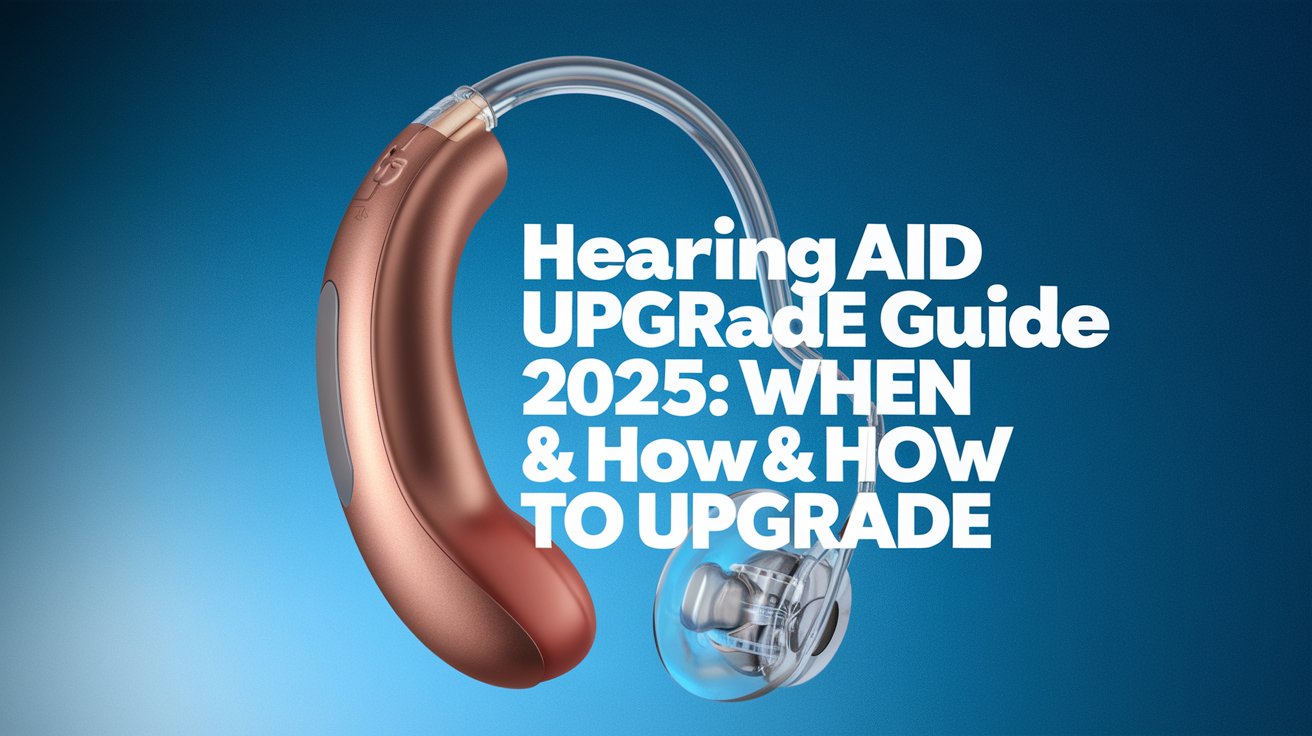
Hearing Aid Upgrade Guide 2025: When & How to Upgrade
A hearing aid upgrade can dramatically improve your quality of life through enhanced sound quality and advanced features. Most hearing aids require replacement every 4-6 years, but technological advancements and changing hearing needs may warrant earlier upgrades. Understanding when and how to upgrade ensures you maintain optimal hearing performance and benefit from the latest innovations in hearing technology.
Signs It’s Time for a Hearing Aid Upgrade
Recognizing when your current hearing aid needs replacement is crucial for maintaining optimal hearing health. Several key indicators suggest it’s time to consider an upgrade, ranging from performance issues to technological obsolescence.
The average lifespan of modern hearing aids ranges from 4-6 years, with some premium models lasting up to 8 years with proper maintenance. However, advanced hearing aids in 2025 offer significantly improved features that may justify earlier upgrades for many users.
Decreased Performance and Sound Quality
When your hearing aid begins producing distorted sound, frequent feedback, or requires constant volume adjustments, these are clear signs of declining performance. Modern devices should provide consistent, clear sound reproduction without constant manual intervention or troubleshooting.
Physical Wear and Technological Obsolescence
Visible cracks, battery compartment issues, or outdated connectivity options indicate your device has reached the end of its useful life. Advanced hearing aids in 2025 feature rechargeable batteries, smartphone integration, and AI-powered sound processing that older models simply cannot match.
Changes in Your Hearing Needs
Annual hearing tests may reveal changes in your hearing loss pattern or severity, requiring a hearing aid upgrade to match your current needs. Progressive hearing loss often necessitates more powerful amplification or different programming approaches that newer models can better accommodate.
Benefits of Upgrading Your Hearing Aids in 2025
The latest hearing aid technology offers unprecedented advantages over older models, making upgrades increasingly worthwhile. Modern devices incorporate artificial intelligence, machine learning, and advanced signal processing to deliver superior hearing experiences.
Contemporary advanced hearing aids provide battery life improvements of 30-40% compared to 2020 models, with many offering 24-30 hours of use on a single charge. These improvements significantly reduce daily maintenance and enhance user convenience.
Enhanced Sound Quality and Processing
Modern hearing aids utilize sophisticated algorithms to distinguish between speech and background noise, automatically adjusting settings for optimal clarity. Advanced directional microphones and noise reduction technology provide up to 15 dB improvement in speech understanding compared to devices from 5 years ago.
Smart Connectivity and App Integration
The latest hearing aid upgrade options include seamless Bluetooth connectivity, allowing direct streaming from smartphones, televisions, and other devices. Companion apps enable real-time adjustments, battery monitoring, and even health tracking features that weren’t available in previous generations.
How Often Should Hearing Aids Be Replaced
Understanding replacement timelines helps users plan for hearing aid upgrades and budget accordingly. Industry standards and audiologist recommendations provide clear guidelines for optimal replacement schedules based on device type and usage patterns.
Most audiologists recommend evaluating your hearing aid performance annually and considering replacement every 4-6 years. However, rapid technological advancement in 2025 may justify more frequent upgrades for users seeking the latest features and improved performance.
Most Advanced Hearing Aid Technology in 2025
The most advanced hearing aid models in 2025 incorporate revolutionary features that fundamentally change the hearing experience. These devices represent significant leaps forward in processing power, battery technology, and user interface design.
Leading manufacturers like Phonak, Starkey, and Oticon have introduced models featuring real-time language translation, fall detection, and cognitive health monitoring. These advanced hearing aids essentially function as comprehensive health and communication platforms beyond traditional amplification.
AI-Powered Sound Processing
Artificial intelligence in modern hearing aids learns from user preferences and environmental patterns, automatically optimizing settings without manual intervention. These systems can distinguish between dozens of different acoustic environments and adjust accordingly within milliseconds.
Health Monitoring and Wellness Features
Contemporary advanced hearing aids monitor physical activity, track cognitive engagement through listening effort metrics, and even detect falls. These health-focused features make hearing aid upgrades valuable investments in overall wellness monitoring and emergency response capabilities.
Hearing Aid Lifespan by Brand and Model
Different manufacturers offer varying durability and longevity expectations for their devices. Understanding brand-specific lifespans helps consumers make informed decisions about hearing aid upgrades and warranty considerations.
Phonak hearing aids typically last 5-7 years with proper maintenance, while Starkey hearing aids generally provide 4-6 years of reliable service. Premium models from both manufacturers often exceed these averages, particularly when users follow recommended cleaning and maintenance schedules.
Costco Hearing Aids Durability and Value
Costco hearing aids generally last 4-5 years and offer excellent value for budget-conscious consumers seeking reliable amplification. While they may lack some premium features, these devices provide solid performance and include comprehensive warranty coverage that makes hearing aid upgrades more affordable.
Premium Brand Longevity Expectations
High-end hearing aids from manufacturers like Phonak, Oticon, and ReSound typically offer 6-8 year lifespans with advanced moisture protection, robust construction, and superior component quality. These premium investments often justify their higher costs through extended usability and fewer repair requirements.
Hearing Aid Maintenance and Care Guidelines
Proper maintenance significantly extends hearing aid lifespan and performance, potentially delaying upgrade needs by 1-2 years. Regular cleaning, battery management, and professional servicing are essential for optimal device longevity.
Hearing aids should be cleaned daily using manufacturer-recommended tools and solutions. Weekly deep cleaning and monthly professional maintenance checks help identify potential issues before they require expensive repairs or premature replacement.
Daily Cleaning and Battery Care
Daily wipe-downs with dry cloths and weekly deep cleaning with specialized tools prevent wax buildup and moisture damage. Hearing aid batteries in traditional models last 3-14 days depending on usage, while rechargeable units provide 20-30 hours per charge cycle.
Professional Maintenance Scheduling
Hearing aids should be checked by professionals every 6 months for cleaning, adjustment, and performance evaluation. These appointments help identify wear patterns and potential upgrade needs before complete device failure occurs.
Cost Considerations and Insurance Coverage
Understanding the financial aspects of hearing aid upgrades helps users plan appropriately and explore available assistance options. Costs vary significantly based on technology level, features, and provider networks.
Average hearing aid costs in 2025 range from $1,500-$6,000 per device, with premium models commanding higher prices due to advanced features and longer warranties. Insurance coverage varies widely, with some plans covering partial costs while others provide no benefits for hearing aid purchases.
Related video about hearing aid upgrade
This video complements the article information with a practical visual demonstration.
What you should know
Can I upgrade my hearing aid without buying completely new devices?
Most hearing aids cannot be significantly upgraded once manufactured, as hardware components are fixed. However, software updates and reprogramming can optimize performance within existing device capabilities. True upgrades typically require purchasing new hearing aids with improved technology and features.
What is the most advanced hearing aid available in 2025?
The most advanced hearing aids in 2025 feature AI-powered sound processing, real-time language translation, health monitoring capabilities, and seamless smartphone integration. Leading models from Phonak, Starkey, and Oticon offer 30+ hour battery life, fall detection, and cognitive health tracking beyond traditional amplification.
How do you know when your hearing aid is going bad?
Signs of failing hearing aids include distorted sound quality, frequent feedback or whistling, reduced battery life, physical damage like cracks, and difficulty hearing in previously manageable environments. If you’re constantly adjusting volume or experiencing intermittent sound loss, it’s time for professional evaluation.
How long do hearing aid batteries typically last?
Traditional disposable hearing aid batteries last 3-14 days depending on device power requirements and usage patterns. Size 10 batteries typically last 3-5 days, while size 13 batteries provide 6-14 days of use. Rechargeable hearing aids offer 20-30 hours per charge cycle.
How often should hearing aids be replaced for optimal performance?
Hearing aids should generally be replaced every 4-6 years for optimal performance, though some premium models can last 6-8 years with proper maintenance. However, rapid technological advancement may justify earlier upgrades for users wanting the latest features like AI processing and health monitoring capabilities.
What is the average lifespan of Phonak hearing aids?
Phonak hearing aids typically last 5-7 years with proper care and maintenance. Premium Phonak models often exceed this range, particularly their rechargeable devices which feature robust moisture protection and advanced durability engineering. Regular professional servicing can extend device lifespan significantly.
| Upgrade Factor | Timeline | Key Benefit |
|---|---|---|
| Performance Decline | 4-6 years average | Restored sound clarity |
| Technology Advancement | Every 3-4 years | AI processing and connectivity |
| Hearing Changes | As needed | Proper amplification match |
| Battery Life | 5-7 years traditional | 20-30 hour rechargeable |