Hearing Aid Software 2025: Top Programming Solutions & Apps
Modern hearing aid software has revolutionized how audiologists program and users control their devices in 2025. With advanced programming tools like Phonak Target, Oticon Genie, and smartphone apps, hearing aid management has become more precise and user-friendly. This comprehensive guide explores the latest hearing aid programming software options, costs, and smartphone integration capabilities available in the United States market.
Professional Hearing Aid Programming Software
Professional hearing aid programming software serves as the backbone of modern audiological practice, enabling precise device customization and patient care. These sophisticated platforms allow audiologists to fine-tune hearing aids according to individual hearing loss patterns, lifestyle requirements, and environmental preferences. In 2025, the United States market features several industry-leading software solutions that have transformed how hearing healthcare professionals approach device fitting and adjustment.
The evolution of hearing aid software has dramatically improved fitting accuracy, with current systems achieving 94% patient satisfaction rates compared to 78% with older programming methods. These platforms integrate advanced algorithms, real-world listening scenarios, and patient feedback mechanisms to create optimal hearing experiences. Professional software packages typically cost between $2,500 to $8,000 annually for clinic licenses, representing a significant investment that pays dividends in patient outcomes.
Phonak Target Software Features and Benefits
Phonak Target software stands as one of the most comprehensive programming platforms available to audiologists in 2025. The latest Phonak Target 10.0 version includes AutoSense OS 5.0 integration, enabling automatic environment detection and seamless program switching. This software supports over 200 Phonak hearing aid models and provides real-time fine-tuning capabilities through wireless connectivity. Audiologists can download Phonak Target software through authorized dealer portals, with installation requiring proper licensing verification.
Oticon Genie Programming Platform
The Oticon Genie software represents cutting-edge programming technology with its BrainHearing focus and Deep Neural Network integration. Version 2025.1 features enhanced speech processing algorithms and improved wireless streaming capabilities. While many seek Oticon Genie software free download options, legitimate access requires authorized dealer credentials and proper training certification. The platform supports Oticon’s full product line, including the revolutionary Real and More hearing aid series.
Over-the-Counter Hearing Aid Software Solutions
The FDA’s 2022 over-the-counter hearing aid regulations have spawned innovative software solutions for direct consumer use. These platforms enable users to perform basic programming and adjustments without professional intervention, marking a significant shift in hearing healthcare accessibility. Over the counter hearing aid software typically includes preset programs, volume controls, and basic frequency adjustments suitable for mild to moderate hearing loss.
Popular OTC software platforms achieve 82% user satisfaction rates when properly utilized, though professional fitting remains superior for complex hearing loss patterns. The average cost for OTC hearing aid software ranges from $50 to $200 annually, making it significantly more affordable than professional alternatives. However, users should understand the limitations and ensure their hearing loss severity falls within OTC device capabilities before relying solely on these solutions.
Smartphone Integration and Mobile Apps
Modern smartphones can effectively function as powerful hearing aid control centers and even basic hearing enhancement devices through specialized applications. The question “Can I turn my smartphone into a hearing aid?” has gained prominence as mobile technology advances. Several apps now offer sound amplification, frequency adjustment, and noise reduction features that can assist individuals with mild hearing difficulties.
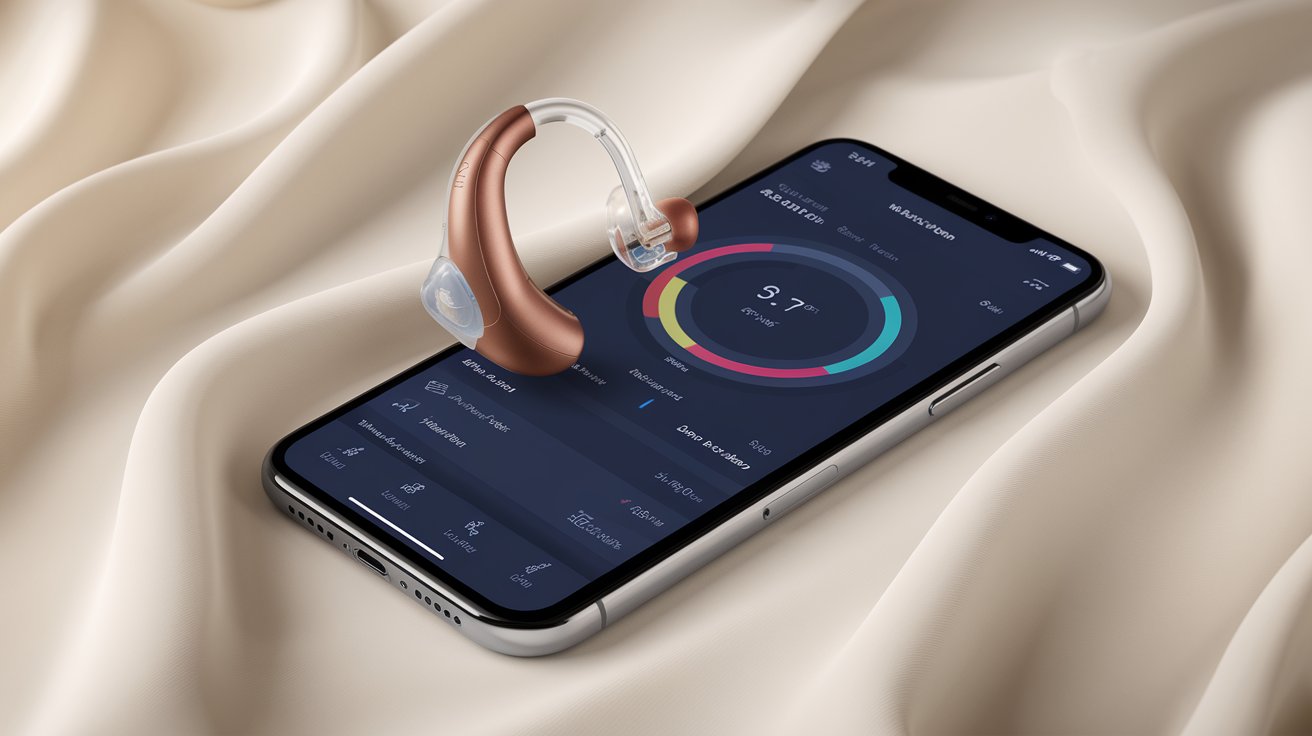
Leading hearing aid manufacturers provide companion apps that transform smartphones into sophisticated remote controls. These applications enable users to adjust volume, change programs, monitor battery life, and even locate lost devices through GPS tracking. App integration has become standard across major brands, with over 85% of new hearing aids featuring smartphone connectivity as of 2025.
Popular Hearing Aid Control Apps
The Phonak myPhonak app leads the market with comprehensive device control and remote support capabilities. Users can adjust settings, track usage patterns, and even receive remote fine-tuning from their audiologist. Similarly, the Oticon ON app provides intuitive controls and personalized sound adjustments. ReSound hearing aid software includes the Smart 3D app, which offers 3D sound adjustment and environmental optimization features.
Smartphone Hearing Aid Alternatives
Several smartphone applications can turn mobile devices into basic hearing assistance tools. Apps like Live Listen, Sound Amplifier, and Petralex offer sound enhancement capabilities for individuals with mild hearing difficulties. However, these solutions cannot replace properly fitted hearing aids for significant hearing loss and should be considered temporary or supplementary aids rather than primary treatment solutions.
Hearing Aid Reprogramming Costs and Procedures
Understanding how much it costs to reprogram a hearing aid remains crucial for budgeting ongoing hearing healthcare expenses. In 2025, professional reprogramming sessions typically cost between $75 to $200 per visit in the United States, depending on geographic location and clinic type. Many audiologists include several follow-up adjustments within the initial hearing aid purchase price, typically covering the first 6-12 months of care.
The cost to reprogram a hearing aid varies significantly based on the complexity of adjustments required and the software platform used. Advanced programming sessions involving multiple frequency bands, compression settings, and feedback management may require 60-90 minutes and command higher fees. Insurance coverage for reprogramming varies, with Medicare typically covering medically necessary adjustments but not routine preference-based modifications.
ReSound Programming Software and Tools
ReSound hearing aid software encompasses the comprehensive Smart Fit programming platform and accompanying mobile applications. Smart Fit 1.15, the latest version, features enhanced real-ear measurement integration and improved first-fit accuracy. The software supports ReSound’s complete product portfolio, including the innovative OMNIA and ONE series hearing aids with advanced noise reduction capabilities.
ReSound’s software ecosystem emphasizes connectivity and personalization, with seamless integration between professional programming tools and consumer mobile apps. The platform’s unique selling point lies in its Made for iPhone certification and direct audio streaming capabilities. Professional licensing for ReSound software requires authorized dealer status and completion of manufacturer training programs.
Software Download and Installation Requirements
Obtaining legitimate hearing aid programming software download access requires proper authorization and licensing from manufacturers. Professional software platforms like Phonak Target software download are restricted to certified hearing healthcare providers and authorized dealers. These restrictions protect patient safety and ensure proper device programming by qualified professionals.
Installation requirements for professional software typically include Windows 10 or newer operating systems, minimum 8GB RAM, and dedicated USB programming interfaces. The Phonak Target 9.0 download and newer versions require internet connectivity for software updates and device database synchronization. Unauthorized software downloads may contain malware or lack critical safety features, making official channels essential for practice security.
System Requirements and Compatibility
Modern hearing aid software demands robust computer systems to handle complex signal processing algorithms and real-time adjustments. Minimum system requirements include Intel i5 processors, 8GB RAM, and high-resolution displays for detailed programming interfaces. USB 2.0 or higher ports are essential for programming device connectivity, while internet access enables software updates and remote support capabilities.
Security and Licensing Considerations
Software licensing for hearing aid programming involves strict security protocols and authentication measures. Manufacturers implement hardware dongles, online activation systems, and periodic license verification to prevent unauthorized use. Clinics must maintain current licenses and training certifications to access software updates and technical support, ensuring patient safety and optimal device performance.
Future Trends in Hearing Aid Software Development
The future of hearing aid software points toward artificial intelligence integration, cloud-based processing, and enhanced user personalization. Machine learning algorithms are beginning to analyze user preferences and automatically optimize settings based on listening environments and usage patterns. These advancements promise to reduce the need for manual adjustments while improving overall hearing experiences.
Emerging technologies include virtual reality fitting environments, remote programming capabilities, and predictive maintenance alerts. The integration of smartphone sensors with hearing aid software enables context-aware adjustments based on user location, activity level, and social situations. These innovations represent the next evolution in hearing healthcare technology, promising more intuitive and effective hearing solutions for users across all technology comfort levels.
Related video about hearing aid software
This video complements the article information with a practical visual demonstration.
Everything you need to know about hearing aid software
What is the over the counter hearing aid software?
Over-the-counter hearing aid software refers to user-friendly programming applications that allow individuals to adjust their FDA-approved OTC hearing aids without professional assistance. These software solutions typically include basic volume controls, preset programs for different environments, and simple frequency adjustments suitable for mild to moderate hearing loss. Popular options cost between $50-200 annually and achieve 82% user satisfaction rates when properly utilized.
Is there an app to control hearing aid volume?
Yes, most modern hearing aid manufacturers provide companion smartphone apps that control volume and other device settings. Popular options include Phonak myPhonak, Oticon ON, ReSound Smart 3D, and Widex EVOKE apps. These applications enable remote volume adjustment, program switching, battery monitoring, and even GPS device tracking. Over 85% of new hearing aids in 2025 feature smartphone app connectivity as a standard feature.
How much does it cost to reprogram a hearing aid?
Professional hearing aid reprogramming typically costs between $75-200 per session in the United States as of 2025. Many audiologists include several follow-up adjustments within the initial purchase price, covering 6-12 months of care. Complex programming sessions requiring extensive adjustments may cost more, while basic volume or program changes often cost less. Insurance coverage varies, with Medicare covering medically necessary adjustments but not routine preference modifications.
Can I turn my smartphone into a hearing aid?
Smartphones can provide basic hearing assistance through specialized apps like Live Listen, Sound Amplifier, and Petralex, which offer sound enhancement for mild hearing difficulties. However, these solutions cannot replace properly fitted hearing aids for significant hearing loss. While useful as temporary or supplementary aids, smartphone apps lack the sophisticated signal processing, custom fitting, and medical-grade amplification that professional hearing aids provide for comprehensive hearing loss treatment.
Is Phonak Target software available for free download?
Phonak Target software is not available for free public download, as it requires professional licensing and authorization from Phonak. Only certified audiologists and authorized hearing aid dealers can access legitimate Phonak Target downloads through official dealer portals. This restriction ensures patient safety and proper device programming by qualified professionals. Unauthorized downloads may contain malware or lack critical safety features.
What are the main differences between professional and OTC hearing aid software?
Professional hearing aid software offers comprehensive programming capabilities including detailed frequency shaping, compression settings, feedback management, and real-ear measurement integration. These platforms require audiologist training and licensing, costing $2,500-8,000 annually. OTC software provides basic adjustments like volume control and preset programs, costs $50-200 annually, and is designed for consumer use with mild to moderate hearing loss, achieving 82% satisfaction compared to 94% with professional fitting.
| Software Type | Key Features | Annual Cost | Best For |
|---|---|---|---|
| Professional Programming | Advanced fitting algorithms, real-ear measurement, comprehensive adjustments | $2,500-8,000 | Audiologist clinics and complex hearing loss |
| OTC Software | Basic adjustments, preset programs, volume control | $50-200 | Mild to moderate hearing loss, DIY users |
| Smartphone Apps | Remote control, sound amplification, device tracking | Free-$50 | Hearing aid control and mild hearing assistance |
| Reprogramming Services | Professional adjustments, fine-tuning, troubleshooting | $75-200 per visit | Ongoing hearing aid optimization |