Mini BTE Hearing Aid Guide 2025: Best Models & Reviews
Mini BTE hearing aids combine the power of traditional behind-the-ear devices with a sleeker, more discreet design. These advanced hearing solutions offer superior amplification while maintaining comfort and style. In 2025, mini BTE models deliver cutting-edge digital processing, wireless connectivity, and extended battery life, making them the preferred choice for millions of Americans seeking effective hearing assistance.
What is a Mini BTE Hearing Aid
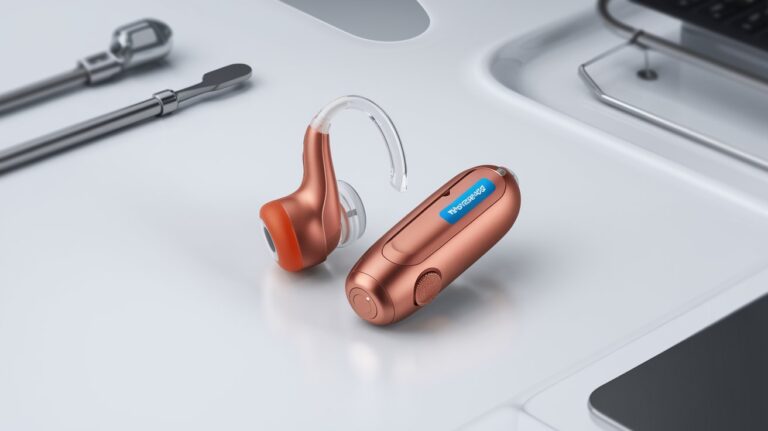
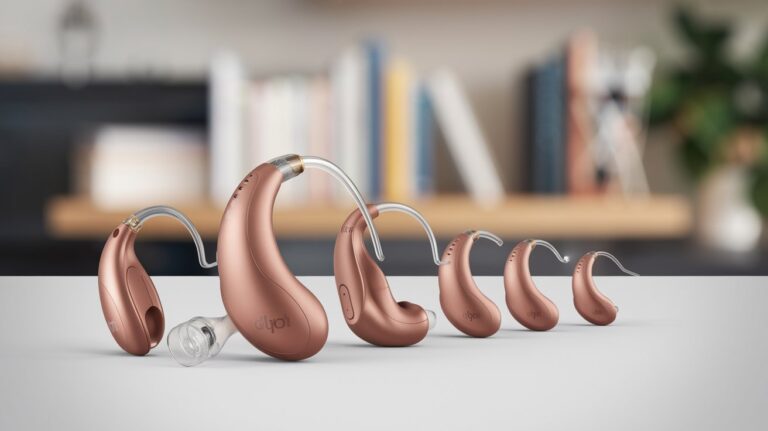
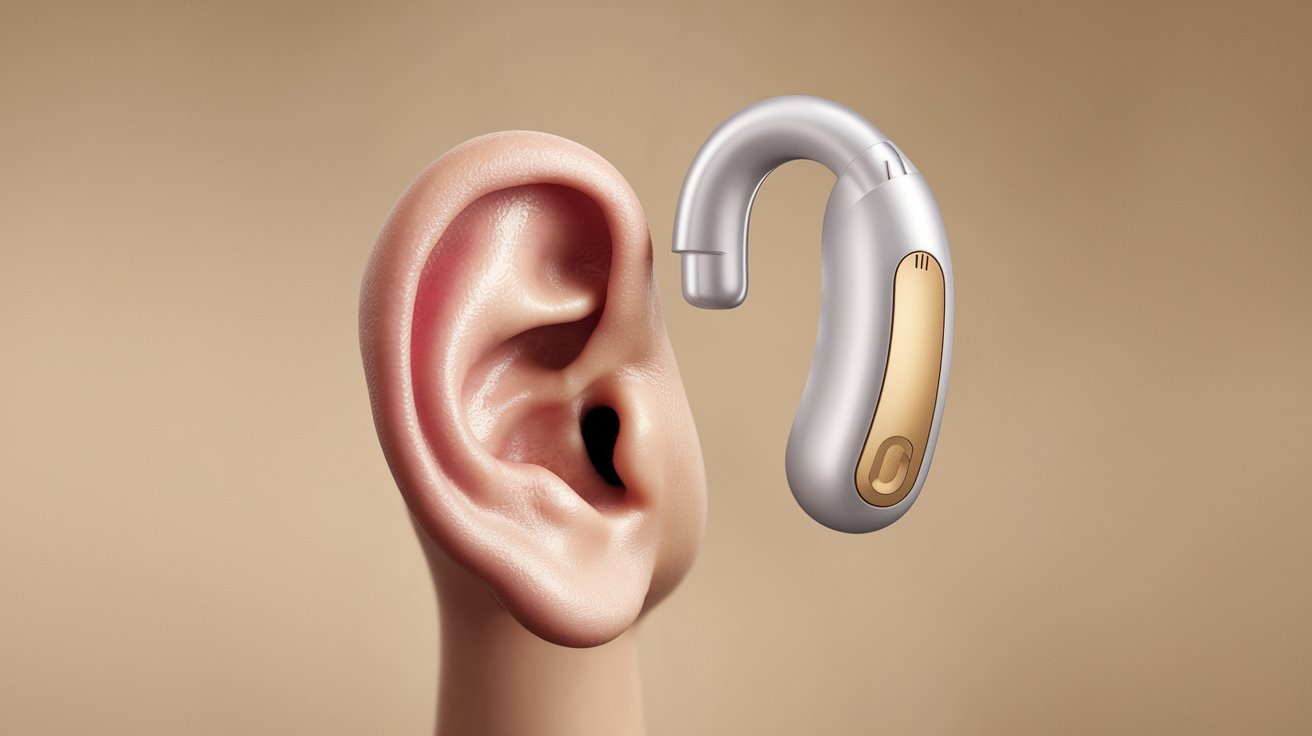
A mini BTE hearing aid is a compact version of the traditional behind-the-ear hearing device that sits comfortably behind your ear while delivering amplified sound through a thin tube or wire. These devices are significantly smaller than conventional BTE models, making them nearly invisible when worn. The mini design houses all essential components including the microphone, amplifier, and speaker in a streamlined casing.
The key difference between standard BTE and mini BTE hearing aids lies in their size and positioning. While traditional BTE devices can be quite noticeable, mini BTE models are designed to blend seamlessly with your natural ear contour. They typically weigh between 2-4 grams and measure approximately 15-25mm in length, making them one of the most discreet hearing aid options available in 2025.
Mini BTE vs Traditional BTE Hearing Aids
The primary distinction between mini BTE and traditional BTE hearing aids centers on size, aesthetics, and power output. Traditional BTE hearing aids are larger and more visible but can accommodate more powerful amplifiers, making them suitable for severe to profound hearing loss. They typically measure 30-40mm in length and house larger batteries that provide 7-14 days of continuous use.
Mini BTE hearing aids excel in discretion and comfort while maintaining excellent performance for mild to moderate hearing loss. They utilize advanced digital signal processing to maximize sound quality despite their compact size. The smaller form factor appeals to users who prioritize aesthetics without compromising functionality. However, their reduced size means smaller batteries, typically lasting 3-7 days depending on usage patterns and features activated.
Size and Visibility Comparison
Traditional BTE hearing aids measure approximately 30-40mm in length and extend prominently behind the ear, making them easily noticeable from various angles. In contrast, mini BTE models measure just 15-25mm and sit closer to the ear’s natural curve, reducing their visual footprint by up to 60%. This size reduction makes mini BTE devices particularly appealing to professionals, students, and anyone concerned about the social stigma sometimes associated with hearing aids.
Power and Performance Differences
While traditional BTE devices can deliver up to 80dB of amplification for profound hearing loss, mini BTE hearing aids typically provide 50-65dB of amplification, making them ideal for mild to moderate hearing impairment. The advanced digital processing in 2025 mini BTE models compensates for their smaller amplifiers through sophisticated algorithms that enhance speech clarity and reduce background noise more effectively than older, larger models.
Best Mini BTE Hearing Aid Brands 2025
Starkey hearing aid models lead the mini BTE market in 2025 with their Genesis AI and Evolv AI series, featuring advanced artificial intelligence and superior sound processing. Starkey’s mini BTE devices incorporate real-time language translation, fall detection, and smartphone integration, positioning them as premium options priced between $2,800-$4,500 per pair.
Other leading brands include Phonak with their Paradise and Lumity series, Oticon’s More and Real models, and ReSound’s OMNIA line. These manufacturers have invested heavily in miniaturization technology while enhancing performance capabilities. Best BTE hearing aids in the mini category now offer features previously available only in larger models, including directional microphones, noise reduction algorithms, and wireless streaming capabilities.
Starkey Mini BTE Models
Starkey hearing aid models in the mini BTE category include the Genesis AI 2400, 2000, and 1600 technology levels, each offering different feature sets and price points. The Genesis AI series features Edge Mode+ for difficult listening situations and can automatically adjust to over 20 different sound environments. Starkey’s mini BTE devices also include health monitoring capabilities that track physical activity and cognitive engagement throughout the day.
Premium Brand Comparisons
Phonak’s Paradise mini BTE models excel in connectivity, offering hands-free phone calls and direct streaming from multiple devices simultaneously. Oticon’s More series focuses on brain hearing technology, providing the brain with more sound information to process naturally. ReSound’s OMNIA line emphasizes organic hearing with 360-degree sound awareness, making these best BTE hearing aids ideal for active users who need situational awareness.
Mini BTE Hearing Aid Prices and Value
BTE hearing aid price ranges for mini models vary significantly based on technology level and brand positioning. Entry-level mini BTE devices start around $1,200-$2,000 per pair, while premium models with advanced AI and connectivity features can cost $3,500-$6,000 per pair. The average American spends approximately $2,800 per pair for quality mini BTE hearing aids with essential features.
Insurance coverage for mini BTE hearing aids has improved in 2025, with many Medicare Advantage plans and private insurers offering partial coverage ranging from $500-$2,000 per device. Veterans Affairs provides comprehensive coverage for eligible service members, while some employers offer hearing aid benefits through flexible spending accounts or health savings accounts, making these devices more accessible to working Americans.
Where to Buy Mini BTE Hearing Aids
Professional audiologists remain the gold standard for mini BTE hearing aid fitting and programming, offering comprehensive hearing evaluations, custom programming, and ongoing support. Licensed hearing instrument specialists provide similar services at potentially lower costs while maintaining professional standards. These providers ensure proper fit, optimize settings for individual hearing loss patterns, and provide warranty coverage.
BTE Hearing Aid Amazon and other online retailers offer over-the-counter mini BTE options that became widely available following FDA regulations in 2024. These devices typically cost 40-60% less than professionally fitted models but require self-fitting and programming. While convenient and affordable, online purchases lack the personalized care and professional adjustments that optimize hearing aid performance for individual users.
Professional vs Online Purchase
Professional purchase of mini BTE hearing aids includes comprehensive hearing evaluation, custom programming, real-ear measurements, and ongoing adjustments typically worth $800-$1,500 in services. Online purchases through platforms like Amazon offer convenience and lower prices but require users to conduct their own hearing assessments and device programming using smartphone apps or basic adjustment tools.
Warranty and Support Considerations
Professional providers typically offer 1-3 year warranties on mini BTE hearing aids including repairs, replacements, and unlimited adjustments. Online purchases may include manufacturer warranties but lack local support for programming changes, repairs, or ongoing care. This support difference can significantly impact long-term satisfaction and device performance optimization.
Mini BTE vs ITE and RIC Hearing Aids
When comparing mini BTE hearing aids to in-the-ear (ITE) and receiver-in-canal (RIC) models, each style offers distinct advantages for different user preferences and hearing loss patterns. ITE hearing aids sit entirely within the ear canal or outer ear bowl, making them less visible but potentially less powerful than mini BTE options.
RIC hearing aid models place the receiver directly in the ear canal connected by a thin wire to the main body behind the ear. This design often provides better sound quality than mini BTE models because the receiver sits closer to the eardrum, reducing sound distortion and improving natural acoustics. However, RIC devices may be more susceptible to moisture and earwax damage due to their in-canal receiver placement.
Mini BTE Features and Technology 2025
Modern mini BTE hearing aids incorporate artificial intelligence that learns user preferences and automatically adjusts to different acoustic environments throughout the day. These devices can distinguish between speech and noise in real-time, applying appropriate filtering and amplification to optimize listening comfort and speech understanding in challenging situations like restaurants or crowded spaces.
Bluetooth connectivity in 2025 mini BTE hearing aids enables direct streaming from smartphones, tablets, televisions, and other compatible devices without additional accessories. Many models also feature smartphone apps that allow users to adjust volume, change programs, locate lost hearing aids using GPS tracking, and monitor battery levels remotely.
AI and Smart Features
Artificial intelligence in mini BTE hearing aids processes sound environments up to 500 times per second, making millions of micro-adjustments to optimize speech clarity and listening comfort. Advanced models can recognize specific voices, reduce wind noise during outdoor activities, and even translate foreign languages in real-time, making them valuable tools beyond simple sound amplification.
Connectivity and App Integration
Smartphone apps for mini BTE hearing aids provide remote control functionality, personalized hearing assessments, and detailed usage statistics to help users understand their hearing patterns. Some apps offer virtual reality training programs to help new users adapt to amplified sound, while others provide direct access to telehealth consultations with audiologists for remote fine-tuning and support.
Mini BTE Hearing Aid Reviews and User Experience
BTE hearing aid reviews for mini models consistently highlight their balance of discretion and performance, with users reporting high satisfaction rates of 85-92% in 2025 studies. Common praise includes comfortable all-day wear, natural sound quality, and reliable connectivity features. Users particularly appreciate the reduced visibility compared to traditional BTE models while maintaining easy handling and control access.
Negative BTE hearing aid reviews often mention shorter battery life compared to larger models and occasional connectivity issues in areas with heavy wireless interference. Some users report that the smaller size makes the devices more challenging to handle for individuals with dexterity issues, though manufacturers have addressed this with improved grip surfaces and magnetic charging systems in newer models.
Related video about mini bte hearing aid
This video complements the article information with a practical visual demonstration.
Important things to know about mini bte hearing aid
What is the difference between BTE and mini BTE hearing aids?
The main difference is size and power output. Traditional BTE hearing aids are larger (30-40mm) and more powerful, suitable for severe hearing loss, while mini BTE models are smaller (15-25mm), more discreet, and designed for mild to moderate hearing loss. Mini BTE devices offer similar features in a more cosmetically appealing package but with shorter battery life due to their compact design.
Which is better, ITE or BTE hearing aid?
BTE hearing aids are generally better for severe hearing loss and offer longer battery life, while ITE models are more discreet but may be harder to handle and adjust. BTE devices are easier to clean and maintain, less susceptible to earwax blockage, and typically more powerful. The choice depends on your hearing loss degree, lifestyle preferences, and cosmetic concerns.
What is the smallest most powerful hearing aid?
The smallest most powerful hearing aids are typically RIC (Receiver-in-Canal) models or advanced mini BTE devices from brands like Starkey, Phonak, and Oticon. These combine compact size with sophisticated digital processing to maximize power efficiency. Premium mini BTE models can deliver up to 65dB of amplification while remaining nearly invisible when worn.
Who makes the best BTE hearing aid?
Top BTE hearing aid manufacturers include Starkey (Genesis AI series), Phonak (Paradise and Lumity), Oticon (More and Real), ReSound (OMNIA), and Widex (MOMENT). Starkey leads in AI integration, Phonak excels in connectivity, Oticon focuses on brain hearing technology, and ReSound emphasizes natural sound processing. The best choice depends on individual hearing needs and feature preferences.
How much do mini BTE hearing aids cost in 2025?
Mini BTE hearing aids range from $1,200-$6,000 per pair in 2025. Entry-level models cost $1,200-$2,000, mid-range devices $2,000-$3,500, and premium models with AI and advanced connectivity $3,500-$6,000. Many insurance plans now cover $500-$2,000 per device, and online options are available at 40-60% lower costs but without professional fitting services.
Do mini BTE hearing aids work with smartphones?
Yes, most 2025 mini BTE hearing aids feature Bluetooth connectivity for direct streaming from smartphones, tablets, and other devices. They include companion apps for remote control, program adjustments, battery monitoring, and GPS tracking. Advanced models support hands-free phone calls, music streaming, and even real-time language translation through smartphone integration.
| Key Aspect | Important Details | Benefit |
|---|---|---|
| Size & Discretion | 15-25mm length, 60% smaller than traditional BTE | Nearly invisible, improved confidence |
| Price Range | $1,200-$6,000 per pair, insurance coverage available | Options for every budget, financing available |
| Technology Features | AI processing, Bluetooth connectivity, smartphone apps | Smart adaptation, wireless streaming, remote control |
| Battery Life | 3-7 days typical usage, rechargeable options available | Convenient charging, reliable daily performance |
| Best For | Mild to moderate hearing loss, active lifestyles | Optimal balance of performance and discretion |