Hearing Aids for Babies: Complete 2024 Guide for Parents
When parents discover their baby has hearing loss, one of the most important questions is about hearing aids. Modern hearing aids for babies are specifically designed for infants as young as 4-6 weeks old, providing crucial early intervention for proper speech and language development. This comprehensive guide covers everything parents need to know about pediatric hearing aids in 2024.
Are There Hearing Aids for Babies?
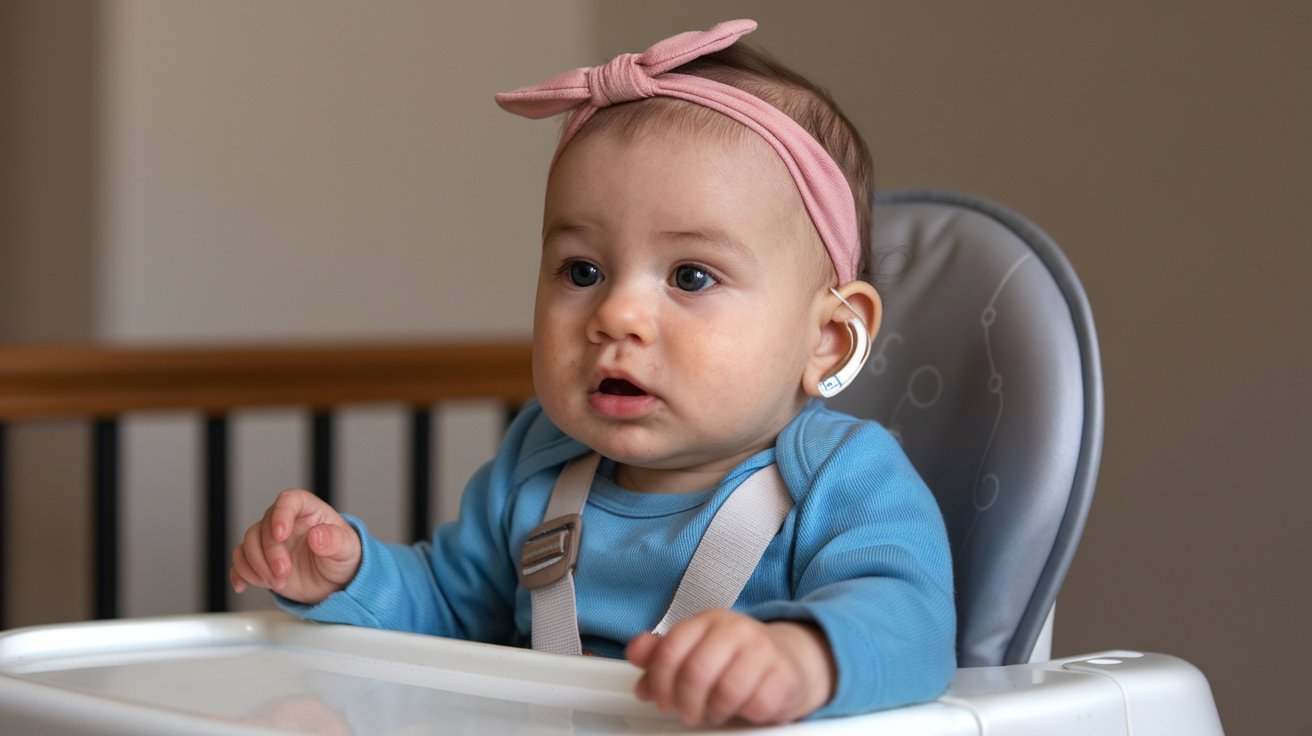
Yes, hearing aids for babies are specifically manufactured and available for infants. Modern pediatric hearing aids are designed with special features including tamper-proof battery compartments, retention cords, and colorful designs. Major manufacturers like Phonak, Oticon, and ReSound produce dedicated baby hearing aid models that accommodate the unique needs of developing ears.
These specialized devices differ significantly from adult hearing aids. They feature soft ear molds that grow with the baby, enhanced safety features to prevent choking hazards, and programming capabilities that adapt to a baby’s hearing development. The technology has advanced dramatically in 2024, with many models offering wireless connectivity and smartphone app control for parents.
When Can Babies Start Using Hearing Aids?
The youngest age to get a hearing aid is typically 4-6 weeks old, once the baby’s ear canal has stabilized after birth. However, audiologists prefer to fit babies with hearing aids by 3 months of age for optimal language development outcomes. Early intervention is crucial because the critical period for language acquisition begins immediately after birth.
According to the American Academy of Audiology’s 2024 guidelines, babies should receive hearing aids within 6 months of birth if hearing loss is confirmed. This timeline ensures that infants don’t miss the vital early months when neural pathways for hearing and speech develop most rapidly. The fitting process involves multiple appointments to ensure proper fit and function.
Newborn Hearing Screening Timeline
All babies born in United States hospitals undergo newborn hearing screening within 48 hours of birth. If a baby doesn’t pass the initial screening, follow-up testing occurs within 3 months. Confirmed hearing loss leads to immediate referral for hearing aid evaluation, typically completed by 6 months of age according to the Joint Committee on Infant Hearing 2024 position statement.
Developmental Considerations
Baby ear canals grow rapidly during the first year, requiring frequent earmold replacements every 6-8 weeks initially. The hearing aid fitting process considers this growth pattern, with audiologists using special pediatric protocols. Modern hearing aids for babies accommodate this growth with flexible programming and easy earmold replacement systems.
Types of Hearing Aids for Kids
Several types of hearing aids are available for babies and children, each with specific advantages. Behind-the-ear (BTE) hearing aids remain the gold standard for pediatric use due to their durability, safety features, and ability to accommodate growing ears. These devices house all electronics in a case worn behind the ear, connected to a custom earmold.
In 2024, the most popular pediatric hearing aids include the Phonak Sky series, Oticon Play PX, and ReSound OMNIA. These models feature advanced noise reduction, wireless streaming capabilities, and specialized programming for developing auditory systems. Some families also explore hearing aid headbands for very young babies who cannot yet wear traditional devices comfortably.
Behind-the-Ear (BTE) Hearing Aids
BTE hearing aids for babies offer maximum safety and versatility. They feature tamper-proof battery compartments, retention cords to prevent loss, and easy-to-clean surfaces. The 2024 models include water-resistant ratings and drop-resistant casings designed for active babies and toddlers.
Bone-Anchored Hearing Aids (BAHA)
For babies with conductive hearing loss or single-sided deafness, bone-anchored hearing aids provide an alternative solution. These devices bypass the outer and middle ear, transmitting sound vibrations directly to the inner ear through bone conduction. Surgical implantation typically occurs after age 5, but soft headband systems allow earlier intervention.
Earmolds for Growing Babies
Custom earmolds are essential components of baby hearing aids, requiring frequent replacement as ears grow. During the first year, babies need new earmolds every 6-8 weeks, with the replacement interval extending to 3-4 months as growth slows. Professional audiologists take ear impressions using special soft materials safe for infant ears.
Modern earmold materials include hypoallergenic silicone and acrylic options designed for sensitive baby skin. The 2024 manufacturing process utilizes 3D printing technology for precise fits and faster production times. Many parents choose colorful or decorated earmolds to make the hearing aids more appealing to their babies and reduce stigma as children grow.
How Often Should Babies Wear Their Hearing Aids?
Babies should wear their hearing aids during all waking hours, typically 12-16 hours per day. Consistent use is crucial for optimal language development and auditory brain development. Audiologists recommend gradual introduction, starting with 1-2 hours and increasing wear time over several weeks until full-time use is achieved.
Parents often worry about baby hearing aid tolerance, but most infants adapt quickly when devices are properly fitted and programmed. The key is maintaining a positive approach and ensuring comfort through proper earmold fit and appropriate volume settings. Overnight removal allows ears to rest and prevents moisture buildup that could cause infections.
Building Wearing Tolerance
Successful hearing aid adaptation requires patience and consistency. Start with short wearing periods during pleasant activities like feeding or playing. Gradually increase duration while monitoring for signs of discomfort. Most babies fully adapt to their devices within 2-4 weeks of consistent use.
Signs of Proper Fit
A properly fitted baby hearing aid should stay in place during normal activities without causing discomfort. Parents should watch for red marks, irritation, or feedback whistling, which indicate fitting problems. Regular audiologist check-ups ensure optimal performance and comfort as babies grow.
Best Hearing Aid Brands for Children 2024
The best hearing aid brands for children in 2024 include Phonak, Oticon, ReSound, and Widex. Phonak’s Sky Marvel series leads the market with advanced connectivity features and robust construction. These devices offer direct smartphone streaming, remote microphone systems, and specialized pediatric programming protocols designed for developing auditory systems.
Oticon Play PX provides excellent speech understanding in noise through their BrainHearing technology, while ReSound OMNIA offers superior sound quality and easy smartphone app control. When choosing the best hearing aid for child needs, consider factors like degree of hearing loss, lifestyle requirements, and family preferences for technology features.
Hearing Aid Costs and Insurance Coverage
The average hearing aid price for babies ranges from $2,000 to $6,000 per device in 2024, with most children requiring two hearing aids. Premium models with advanced features cost more, but basic digital hearing aids provide excellent outcomes for most pediatric patients. This investment includes professional fitting services, follow-up appointments, and warranty coverage.
Most insurance plans, including Medicaid and many private insurers, provide coverage for pediatric hearing aids under federal mandates. The Affordable Care Act requires coverage for children’s hearing aids as essential health benefits. Many states also have specific laws requiring insurance coverage for pediatric hearing devices, making these life-changing technologies accessible to families regardless of economic status.
Finding Pediatric Audiologists Near You
Locating qualified pediatric audiologists is crucial for successful baby hearing aid fitting and management. Search for providers through the American Academy of Audiology directory, focusing on those with pediatric specializations and extensive experience with infant hearing aid fittings. Many children’s hospitals also have dedicated pediatric audiology departments.
When searching for hearing aids for kids near me, prioritize providers who offer comprehensive services including real-ear measurements, speech-language pathology coordination, and family support programs. The best pediatric practices provide ongoing support throughout the child’s development, ensuring optimal hearing aid performance and regular monitoring of hearing status changes.
Related video about hearing aids for babies
This video complements the article information with a practical visual demonstration.
Key Questions and Answers
What is the youngest age a baby can get hearing aids?
Babies can receive hearing aids as early as 4-6 weeks old, once their ear canals have stabilized after birth. However, most audiologists prefer fitting by 3 months of age for optimal language development. Early intervention within the first 6 months is crucial for proper speech and cognitive development.
How much do hearing aids for babies cost in 2024?
Baby hearing aids typically cost $2,000-$6,000 per device in 2024. Most insurance plans, including Medicaid, cover pediatric hearing aids under essential health benefits. Many states have additional insurance mandates ensuring coverage for children’s hearing devices, making them accessible regardless of family income.
Can babies sleep with their hearing aids?
No, babies should not sleep wearing hearing aids. Overnight removal allows ears to rest, prevents moisture buildup, and reduces infection risk. Babies typically wear their hearing aids 12-16 hours daily during all waking activities for optimal language development and auditory stimulation.
How often do baby hearing aids need replacement?
Baby hearing aids themselves typically last 3-5 years with proper care. However, earmolds require frequent replacement – every 6-8 weeks during the first year due to rapid ear growth, then every 3-4 months as growth slows. Regular audiologist visits ensure proper fit and optimal performance.
Are there special hearing aids designed just for babies?
Yes, pediatric hearing aids have special safety features including tamper-proof battery compartments, retention cords, and hypoallergenic materials. Leading brands like Phonak Sky, Oticon Play, and ReSound offer models specifically designed for babies with enhanced durability and specialized programming for developing auditory systems.
What are the signs my baby needs hearing aids?
Signs include failing newborn hearing screenings, not responding to loud sounds by 3 months, not turning toward sounds by 6 months, or delayed speech development. If you suspect hearing loss, contact a pediatric audiologist immediately, as early intervention within 6 months is crucial for optimal outcomes.
| Key Aspect | Important Details | Benefit |
|---|---|---|
| Fitting Age | 4-6 weeks minimum, 3 months preferred | Early language development |
| Daily Wear Time | 12-16 hours during waking hours | Maximum auditory stimulation |
| Earmold Changes | Every 6-8 weeks first year | Proper fit as ears grow |
| Cost Range | $2,000-$6,000 per device | Insurance coverage available |
| Device Lifespan | 3-5 years with proper care | Long-term investment value |