RITE Hearing Aids: Complete Guide to Prices & Best Options 2025
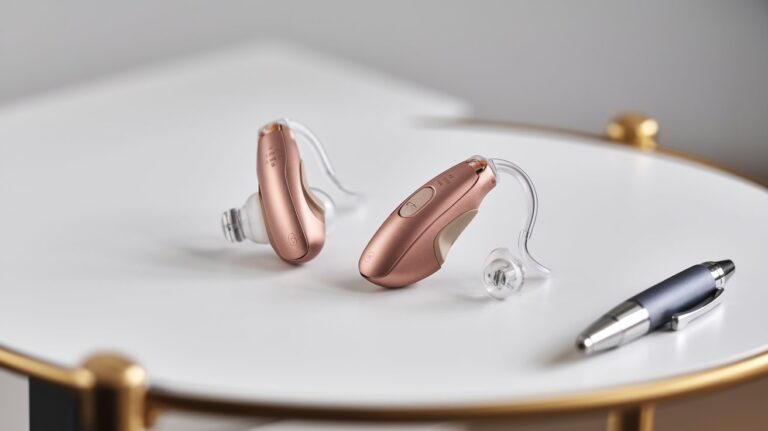
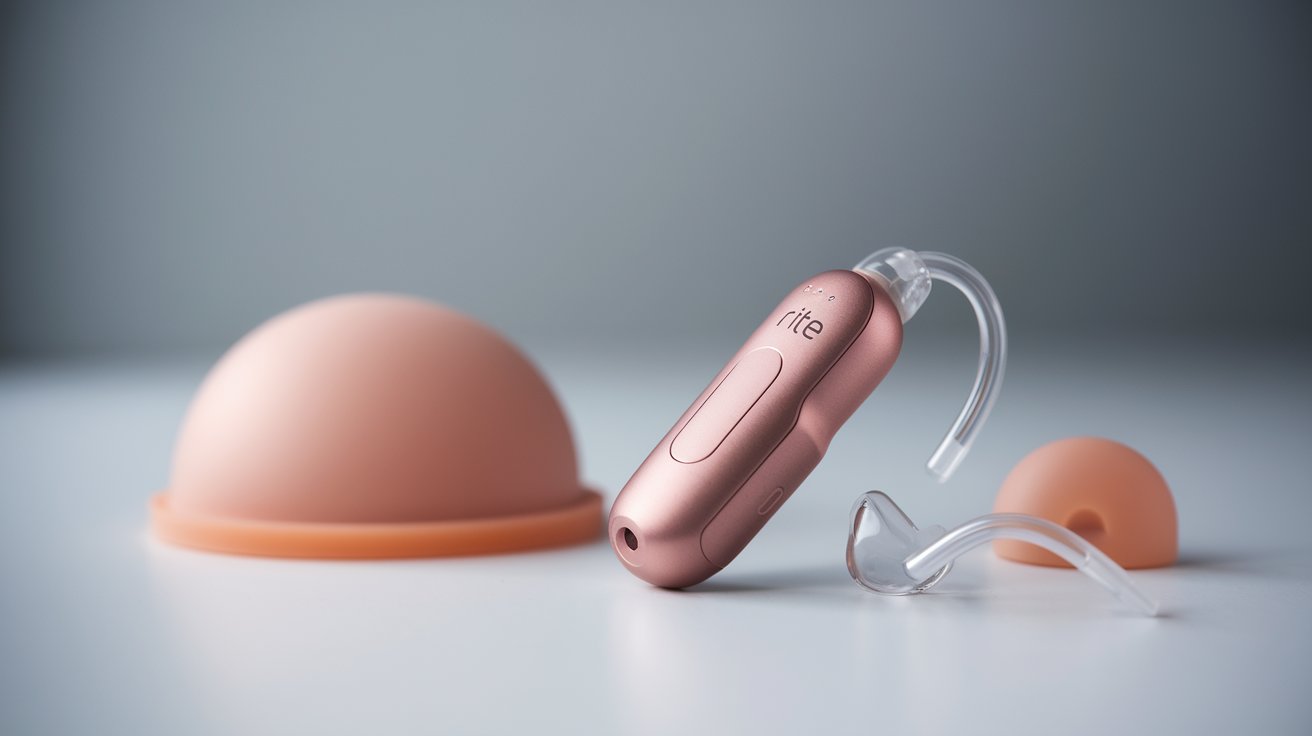
RITE hearing aids, also known as receiver-in-the-ear hearing aids, represent one of the most popular and effective hearing solutions available in 2025. These devices feature a discreet design where the receiver sits inside your ear canal while the main body rests behind your ear. Understanding RITE hearing aid prices and features helps you make an informed decision for your hearing health needs.
What Are RITE Hearing Aids and How They Work
RITE hearing aids stand for Receiver-In-The-Ear devices, which are essentially the same as RIC (Receiver-In-Canal) hearing aids. The terminology varies among manufacturers, but both describe the same technology where the receiver, or speaker, sits directly in your ear canal connected to the main hearing aid body by a thin wire. This design allows for better sound quality and reduced feedback compared to traditional BTE hearing aid styles.
The main components include the behind-the-ear processor that houses the microphone, amplifier, and battery, connected to a receiver that sits in your ear canal via a nearly invisible wire. This configuration provides excellent sound quality because the receiver delivers sound directly to your eardrum without the acoustic limitations of tubing used in conventional behind-the-ear models.
RITE vs RIC: Understanding the Terminology
Many users wonder about the difference between RITE and RIC hearing aids, but they are essentially the same technology with different naming conventions. RIC hearing aids (Receiver-In-Canal) and RITE devices both feature the receiver positioned in the ear canal. Some manufacturers prefer one term over the other, but the functionality remains identical across both designations.
Key Components and Design Features
Modern RITE hearing aid designs incorporate advanced digital processing, wireless connectivity, and rechargeable battery options. The thin wire connecting the processor to the receiver is virtually invisible and highly durable. Most 2025 models feature moisture resistance ratings of IP68, making them suitable for active lifestyles and various weather conditions in the United States.
RITE Hearing Aid Prices and Cost Factors in 2025
RITE hearing aid prices in the United States range from $1,200 to $4,500 per device in 2025, depending on technology level and features. Premium models with advanced noise reduction, artificial intelligence, and smartphone connectivity command higher prices, while basic models offer essential amplification at more affordable costs. Insurance coverage varies, with some Medicare Advantage plans covering up to $2,500 per ear annually.
The average cost of a good quality hearing aid in the RITE style falls between $2,000 and $3,000 per device. This price typically includes professional fitting, follow-up adjustments, and warranty coverage. Many audiologists offer payment plans and financing options to make these devices more accessible to patients across different income levels.
Factors Affecting RITE Hearing Aid Costs
Several factors influence RIC hearing aid price points, including the number of processing channels, automatic program switching capabilities, noise reduction algorithms, and connectivity features. Premium models with 24+ channels and AI-driven sound processing cost significantly more than basic 8-channel devices. Additional features like tinnitus masking, telecoil technology, and custom smartphone apps also impact final pricing.
Insurance and Financing Options
Most private insurance plans provide partial coverage for RITE hearing aids, typically covering $1,000 to $2,000 per device every three to five years. Veterans Affairs benefits often cover the full cost for eligible service members. Many practices offer 0% financing for 12-24 months, making premium devices more accessible to patients seeking the best quality hearing solutions.
Best RITE Hearing Aids Available in 2025
The best RITE hearing aids in 2025 come from leading manufacturers like Phonak, Oticon, ReSound, and Widex. Top-rated models include the Phonak Lumity Life series, known for exceptional moisture resistance and sound clarity, and the Oticon Real series, featuring advanced AI processing. These devices consistently receive high ratings from both audiologists and users across the United States.
Oticon RITE hearing aids particularly excel in noisy environments, using BrainHearing technology to process sounds more naturally. Their Oticon Real 1 model provides 360-degree sound processing and costs approximately $3,200 per device, including professional services and three-year warranty coverage.
Top-Rated Premium Models
Premium RITE hearing aid models in 2025 feature rechargeable lithium-ion batteries lasting 24-30 hours per charge, direct smartphone streaming, and personalized sound profiles. The ReSound Omnia 9 and Widex Moment Sheer represent the pinnacle of current technology, offering natural sound processing and advanced noise management for challenging listening environments.
Best Value RITE Options
For users seeking good quality without premium pricing, mid-tier RITE models from Signia, Starkey, and Unitron provide excellent performance. These devices typically cost $1,800 to $2,500 per unit and include essential features like directional microphones, feedback cancellation, and basic wireless connectivity for phone calls and music streaming.
RIC Hearing Aid vs BTE: Comprehensive Comparison
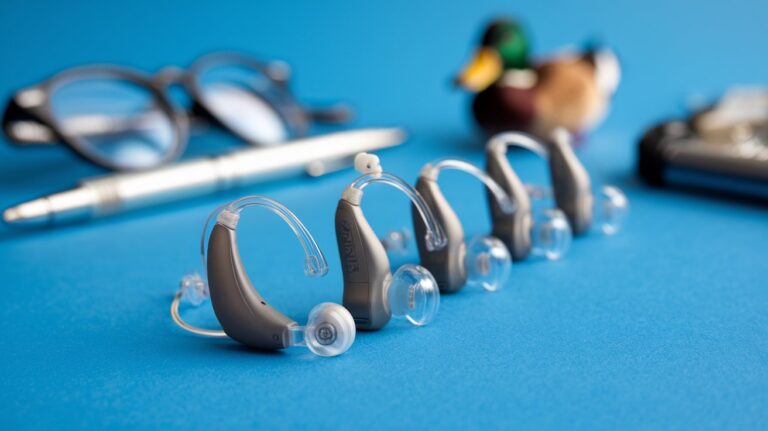
When comparing RIC hearing aid vs BTE styles, several key differences emerge in comfort, sound quality, and cosmetic appeal. RIC/RITE devices offer superior sound quality because the receiver sits directly in the ear canal, reducing distortion from tubing. Traditional BTE hearing aid models route sound through plastic tubing, which can affect high-frequency clarity and create a more noticeable hearing aid presence.
Comfort levels favor RITE devices for most users, as the open-fit design reduces the plugged-ear sensation common with BTE styles. However, BTE hearing aids may be more suitable for users with severe to profound hearing loss, as they can accommodate more powerful amplification without feedback issues.
Sound Quality and Performance Differences
RITE hearing aids deliver superior high-frequency response and natural sound quality compared to traditional BTE models. The direct placement of the receiver eliminates acoustic coupling losses associated with tubing systems. This results in clearer speech understanding and better music appreciation for users across various listening environments.
Comfort and Cosmetic Considerations
The cosmetic appeal of receiver in the ear RITE hearing aids makes them preferred by users concerned about visibility. The thin connecting wire is virtually invisible, and the open-fit design allows natural airflow to the ear canal. BTE models, while more noticeable, offer greater durability and easier handling for users with dexterity challenges.
OTC Hearing Aids for Seniors: RITE Options
The best OTC hearing aid for seniors in the RITE category includes models from Eargo, Jabra Enhance, and Sony. These over-the-counter devices became available in 2022 and provide an affordable alternative to prescription hearing aids for adults with mild to moderate hearing loss. Prices range from $799 to $2,950 per pair, significantly lower than traditional hearing aids.
OTC hearing aids in RITE style offer many features found in prescription devices, including smartphone apps for adjustment, multiple listening programs, and rechargeable batteries. However, they lack the personalized fitting and ongoing support provided by audiologists, which may affect long-term satisfaction and effectiveness for some users.
Maintenance and Care for RITE Hearing Aids
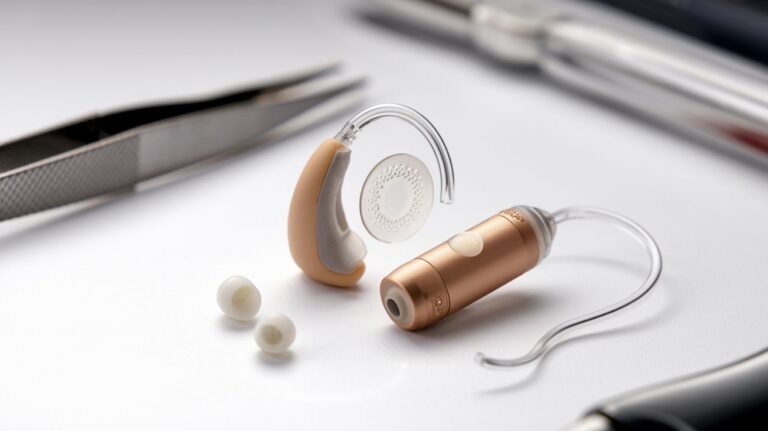
Proper maintenance extends the lifespan of RITE hearing aids and ensures optimal performance. Daily cleaning with provided tools removes earwax and debris from the receiver, while weekly deep cleaning prevents moisture buildup. The thin connecting wire requires gentle handling to avoid damage, and regular professional cleaning every 3-4 months maintains peak functionality.
Modern RITE hearing aid models include moisture-resistant coatings and nano-technology treatments that repel water and earwax. Despite these advances, users should store devices in dehumidifying cases overnight and avoid exposure to excessive heat or moisture during activities like swimming or showering.
Related video about rite hearing aid
This video complements the article information with a practical visual demonstration.
Key Questions and Answers
What is the difference between RITE and RIC hearing aids?
RITE (Receiver-In-The-Ear) and RIC (Receiver-In-Canal) hearing aids are essentially the same technology with different naming conventions used by manufacturers. Both feature a receiver positioned directly in the ear canal connected to a behind-the-ear processor via a thin wire, providing superior sound quality and comfort compared to traditional BTE styles.
How much do RITE hearing aids cost in 2025?
RITE hearing aid prices range from $1,200 to $4,500 per device in 2025, with most quality models costing between $2,000 and $3,000. Factors affecting cost include technology level, number of processing channels, advanced features like AI processing, and wireless connectivity options. Insurance coverage and financing plans can help reduce out-of-pocket expenses.
What is the best OTC RITE hearing aid for seniors?
The best OTC RITE hearing aids for seniors include Eargo Max, Jabra Enhance Plus, and Sony CRE-C10, ranging from $799 to $2,950 per pair. These devices offer smartphone app control, multiple listening programs, and rechargeable batteries. However, they lack professional fitting and ongoing audiological support provided with prescription devices.
Are RITE hearing aids better than BTE styles?
RITE hearing aids generally offer superior sound quality, comfort, and cosmetic appeal compared to traditional BTE models. The direct receiver placement eliminates tubing-related sound distortion and reduces the plugged-ear sensation. However, BTE devices may be more suitable for severe hearing loss and users who prefer easier handling and maintenance.
How long do RITE hearing aids last?
Quality RITE hearing aids typically last 5-7 years with proper care and maintenance. Factors affecting lifespan include usage patterns, environmental conditions, and maintenance quality. The thin connecting wire may require replacement every 1-2 years depending on wear, while the main processor and receiver can function effectively for the device’s full lifespan.
Do insurance plans cover RITE hearing aids?
Most private insurance plans provide partial coverage for RITE hearing aids, typically $1,000 to $2,000 per device every 3-5 years. Medicare Advantage plans may offer additional benefits up to $2,500 per ear annually. Veterans Affairs provides full coverage for eligible service members, while many audiologists offer financing options for remaining costs.
| Key Aspect | RITE Hearing Aids | Main Benefits |
|---|---|---|
| Price Range 2025 | $1,200 – $4,500 per device | Options for all budgets with financing available |
| Sound Quality | Superior to traditional BTE | Direct receiver placement eliminates distortion |
| Comfort | Open-fit design | Reduces plugged-ear sensation |
| Cosmetic Appeal | Nearly invisible thin wire | Discreet appearance increases user confidence |
| Battery Life | 24-30 hours rechargeable | All-day usage without battery changes |