7 Hearing Aid Alternatives: Complete Guide for 2025
Traditional hearing aids aren’t the only solution for hearing loss in 2025. From advanced cochlear implants to innovative bone conduction hearing aids and over-the-counter options, multiple alternatives can help restore your ability to hear clearly. This comprehensive guide explores seven proven hearing aid alternatives that offer effective solutions for different types and degrees of hearing impairment.
Over-the-Counter (OTC) Hearing Aids
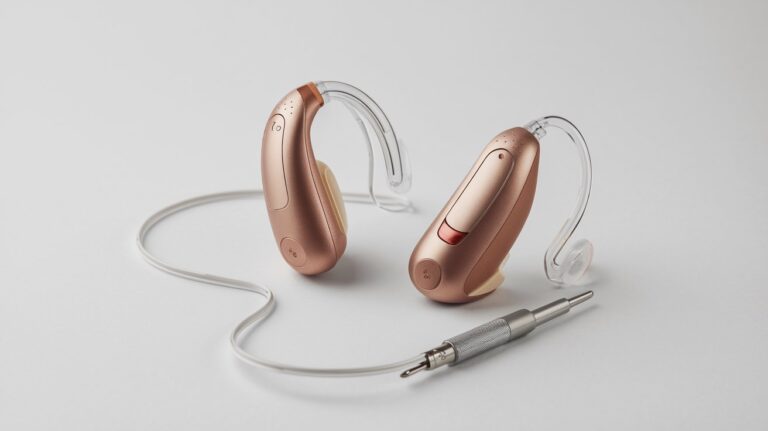
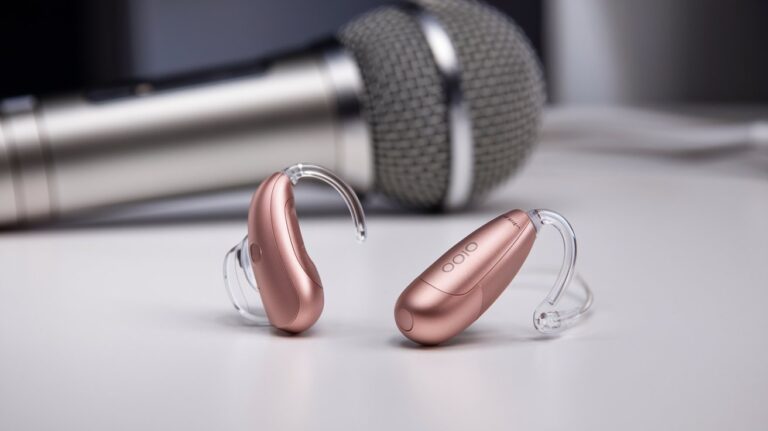
The FDA approved OTC hearing aids in October 2022, revolutionizing accessibility for adults with mild to moderate hearing loss. These devices cost between $200-$3,000 per pair, significantly less than traditional prescription hearing aids that average $4,000-$6,000. OTC hearing aids provide immediate access without requiring audiologist visits or prescriptions, making them an attractive alternative for many Americans.
Leading brands like Bose, Sony, and Jabra now offer OTC hearing aids with advanced features including noise reduction, directional microphones, and smartphone connectivity. Clinical studies from 2024 show that properly fitted OTC devices can provide up to 85% of the benefit of prescription hearing aids for eligible candidates with mild to moderate hearing loss.
Best OTC Hearing Aid Brands
Sony CRE-C10 leads the market with FDA approval and exceptional sound quality, priced at approximately $1,000 per pair. Bose SoundControl offers smartphone app customization and costs around $850, while Jabra Enhance Plus provides professional-grade hearing technology for $795. These best OTC hearing aids feature rechargeable batteries lasting 16-24 hours and come with 45-100 day return policies.
Who Benefits from OTC Hearing Aids
Adults aged 18 and older with mild to moderate hearing loss are ideal candidates for OTC devices. This includes individuals who struggle to hear conversations in noisy environments, frequently ask others to repeat themselves, or turn up television volume. However, people with severe hearing loss, sudden hearing changes, or ear pain should consult healthcare professionals before choosing OTC alternatives.
Personal Sound Amplification Products (PSAPs)
Personal sound amplification products serve as affordable alternatives for individuals without diagnosed hearing loss who want to enhance their listening experience. Unlike hearing aids, PSAPs aren’t medical devices but rather consumer electronics designed to amplify environmental sounds for recreational activities like birdwatching, hunting, or attending lectures. Prices range from $20 to $500, making them accessible to budget-conscious consumers.
The best PSAP hearing devices in 2025 include the Williams Sound Pocketalker Ultra, SoundWorld Solutions CS50+, and Tweak Focus. These devices offer features like volume control, tone adjustment, and background noise reduction. While PSAPs can’t replace medical hearing aids for diagnosed hearing loss, they provide valuable assistance for situational hearing challenges and serve as excellent introductory devices for those hesitant about traditional hearing aids.
PSAP vs Hearing Aid Differences
The key distinction lies in FDA regulation and intended use. Personal sound amplification products amplify all sounds equally and aren’t customized for specific hearing loss patterns, while hearing aids are medical devices programmed for individual hearing profiles. PSAPs cost significantly less but lack the sophisticated signal processing and noise management found in professional hearing aids designed for hearing impaired individuals.
Best PSAP Applications
Personal amplifiers for hearing impaired individuals work best in quiet environments for activities like watching television, one-on-one conversations, or listening to lectures. They’re particularly effective for people with age-related hearing changes who don’t yet require medical intervention but want enhanced sound clarity for specific situations without the commitment of prescription hearing aids.
Cochlear Implants for Severe Hearing Loss
Cochlear implants represent the most advanced hearing aid alternative for individuals with severe to profound hearing loss who receive little benefit from traditional hearing aids. These surgically implanted devices bypass damaged inner ear structures and directly stimulate auditory nerves, providing sound perception to those with significant hearing impairment. In the United States, approximately 118,000 adults and 65,000 children have cochlear implants as of 2024.
Recent 2024 studies demonstrate that adults with cochlear implants experience 40-60% better speech understanding in quiet environments compared to powerful hearing aids. The newest models from Cochlear, Advanced Bionics, and MED-EL feature wireless connectivity, rechargeable batteries lasting 16+ hours, and advanced noise processing algorithms that significantly improve hearing in challenging acoustic environments.
Cochlear Implant Candidacy Requirements
Adults qualify for cochlear implants when they have severe to profound hearing loss in both ears and receive limited benefit from well-fitted hearing aids. Specific criteria include word recognition scores of 50% or less in the ear to be implanted and 60% or less in the non-implanted ear. Candidates must demonstrate realistic expectations and commitment to post-surgical rehabilitation for optimal hearing technology outcomes.
Cochlear Implant Costs and Insurance
Cochlear implant costs range from $30,000 to $50,000 including surgery, device, and rehabilitation. Medicare covers cochlear implants for eligible recipients, and most private insurance plans provide coverage following FDA guidelines. Medicaid coverage varies by state, but all states cover pediatric cochlear implants, while adult coverage depends on specific state policies and medical necessity determinations.
Bone Conduction Hearing Solutions
Bone conduction hearing aids offer innovative solutions for individuals with conductive hearing loss, single-sided deafness, or ear canal problems that prevent traditional hearing aid use. These devices transmit sound vibrations through skull bones directly to the inner ear, bypassing damaged outer or middle ear structures. The technology has advanced significantly, with 2025 models offering superior sound quality and comfort compared to previous generations.
Modern bone conduction hearing aids include non-surgical options like headbands and glasses-style devices, as well as surgically implanted systems. The Cochlear Baha 6 Max, Oticon Ponto 5, and Med-El Bonebridge represent current leading technologies, providing clear sound transmission and wireless connectivity features that enhance daily communication for users with specific types of hearing loss.
Types of Bone Conduction Devices
Non-surgical bone conduction hearing aids include soft headbands, glasses with integrated processors, and adhesive devices that attach to the skull. Surgical options involve titanium implants with external processors that provide more efficient sound transmission. The choice depends on individual hearing loss type, lifestyle preferences, and medical suitability for surgical procedures.
Bone Conduction Benefits
Bone conduction hearing aids eliminate ear canal occlusion, reducing problems with ear infections and wax buildup common with traditional hearing aids. They’re particularly beneficial for individuals with congenital ear canal absence, chronic otitis media, or sudden sensorineural hearing loss in one ear, providing natural sound quality and improved spatial hearing awareness.
Assistive Listening Devices and Technology
Assistive listening devices complement or replace traditional hearing aids by improving communication in specific situations. These technologies include FM systems, infrared devices, and induction loop systems commonly found in theaters, churches, and meeting rooms. Modern assistive technology for hearing loss has expanded to include smartphone apps, smart home integration, and wearable devices that enhance daily communication.
The newest assistive listening technology in 2025 includes AI-powered noise cancellation apps, real-time speech-to-text services, and smart hearing loops that automatically adjust to environmental conditions. Companies like ReSound, Phonak, and Starkey offer ecosystem approaches combining hearing aids with assistive devices, creating comprehensive hearing solutions that address various communication challenges throughout the day.
Middle Ear Implants
Middle ear implants represent advanced hearing aid alternatives for individuals with sensorineural, conductive, or mixed hearing loss who cannot use conventional hearing aids. These surgically implanted devices include the Vibrant Soundbridge and Esteem systems, which directly vibrate middle ear structures or inner ear fluids to improve sound transmission. Clinical trials show that middle ear implants can provide 20-30 dB improvement in hearing thresholds for appropriate candidates.
The latest middle ear implant technology offers completely invisible solutions with no external components, appealing to individuals seeking discrete hearing improvement. Costs range from $25,000 to $40,000, and while insurance coverage is improving, many procedures still require prior authorization or may be considered investigational by some insurers. Success rates exceed 90% for properly selected candidates with realistic expectations.
Hearing Apps and Digital Solutions
Smartphone applications now serve as powerful hearing aid alternatives for mild hearing difficulties and specific listening situations. Apps like Sound Amplifier by Google, Live Listen through Apple devices, and specialized programs from Petralex and Ear Agent transform smartphones into personal hearing enhancement devices. These digital solutions cost $0-$10 and offer immediate accessibility for users seeking hearing support.
Advanced hearing apps in 2025 incorporate machine learning algorithms that adapt to individual hearing profiles and environmental conditions. Features include directional microphone control, frequency-specific amplification, and real-time noise reduction. While these apps cannot replace medical hearing aids for significant hearing loss, they provide valuable supplemental support and serve as excellent tools for hearing impaired individuals in specific listening situations.
Choosing the Right Hearing Aid Alternative
Selecting appropriate hearing aid alternatives requires careful consideration of hearing loss degree, lifestyle needs, budget constraints, and technology preferences. Individuals with mild hearing loss might benefit from OTC hearing aids or PSAPs, while those with severe impairment may need cochlear implants or bone conduction solutions. Professional hearing evaluation remains essential for determining the most suitable alternative and ensuring optimal outcomes.
The decision-making process should include consultations with audiologists, ENT physicians, or hearing instrument specialists who can provide objective assessments and recommendations. Consider trial periods, warranty coverage, and ongoing support when evaluating different alternatives. The best choice balances effectiveness, comfort, cost, and long-term satisfaction while addressing individual hearing needs and communication goals in various environments.
Related video about hearing aid alternatives
This video complements the article information with a practical visual demonstration.
Important things to know about hearing aid alternatives
What is the newest technology for hearing loss in 2025?
The newest hearing loss technology includes AI-powered OTC hearing aids with smartphone integration, advanced cochlear implants with 16+ hour battery life, completely invisible middle ear implants, and bone conduction devices with wireless connectivity. FDA-approved OTC hearing aids represent the most significant recent advancement, providing accessible treatment for mild to moderate hearing loss without prescription requirements.
How can I hear better without a hearing aid?
You can improve hearing without traditional hearing aids using OTC hearing devices, personal sound amplification products (PSAPs), bone conduction headphones, smartphone hearing apps, assistive listening devices, and environmental modifications like reducing background noise. These alternatives cost significantly less than prescription hearing aids while providing effective hearing enhancement for many situations.
What can people with severe hearing loss hear with alternatives?
People with severe hearing loss can achieve significant hearing improvement through cochlear implants, which provide 40-60% better speech understanding than powerful hearing aids. Bone conduction implants and middle ear devices can offer 20-30 dB hearing improvement. These advanced alternatives enable conversation understanding, environmental sound awareness, and improved quality of life for severe hearing loss.
What’s the best non-prescription hearing aid in 2025?
The best non-prescription hearing aids in 2025 include Sony CRE-C10 ($1,000), Bose SoundControl ($850), and Jabra Enhance Plus ($795). These FDA-approved OTC devices offer professional-grade features like noise reduction, smartphone connectivity, and rechargeable batteries. They provide up to 85% of prescription hearing aid benefits for mild to moderate hearing loss.
Are hearing aid alternatives covered by insurance?
Insurance coverage varies by alternative type. Medicare covers cochlear implants for eligible recipients, and most private insurance covers bone conduction implants and middle ear devices. OTC hearing aids and PSAPs typically aren’t covered, but FSA/HSA accounts can be used. Some states mandate hearing aid coverage, and Veterans Affairs provides comprehensive hearing loss treatment including alternatives.
How do I know which hearing aid alternative is right for me?
The right hearing aid alternative depends on your hearing loss degree, type, lifestyle, and budget. Mild loss benefits from OTC aids or PSAPs ($20-$3,000), moderate loss may need prescription alternatives, and severe loss often requires cochlear implants or bone conduction devices ($25,000-$50,000). Professional hearing evaluation and consultation with audiologists ensure optimal alternative selection and outcomes.
| Alternative Type | Best For | Price Range | Key Benefits |
|---|---|---|---|
| OTC Hearing Aids | Mild to moderate loss | $200-$3,000 | FDA approved, immediate access, no prescription needed |
| Cochlear Implants | Severe to profound loss | $30,000-$50,000 | 40-60% better speech understanding, insurance covered |
| Bone Conduction | Conductive loss, single-sided deafness | $3,000-$15,000 | Bypasses ear canal, reduces infections |
| PSAPs | Situational hearing enhancement | $20-$500 | Affordable, no medical diagnosis required |