Hearing Aid Myths Debunked: The Truth About Modern Devices 2025
Millions of Americans avoid hearing aids due to persistent myths and misconceptions. In 2025, modern hearing technology has revolutionized how we address hearing loss, yet outdated beliefs continue to prevent people from seeking help. This comprehensive guide separates fact from fiction, revealing the truth about hearing aids and how they can transform your quality of life.
The Most Common Hearing Aid Myths Exposed
Despite technological advances, myths about hearing aids persist throughout American communities. These misconceptions often stem from outdated information about devices from decades past. Today’s hearing aids bear little resemblance to the bulky, whistling devices many people remember. Understanding these myths is crucial for making informed decisions about hearing health care in 2025.
Research from the Hearing Industries Association shows that over 28 million Americans could benefit from hearing aids, yet only 16% of adults aged 20-69 with hearing loss actually use them. This significant gap is largely attributed to persistent myths that discourage people from seeking proper treatment for their hearing difficulties.
Myth 1: Hearing Aids Are Only for Elderly People
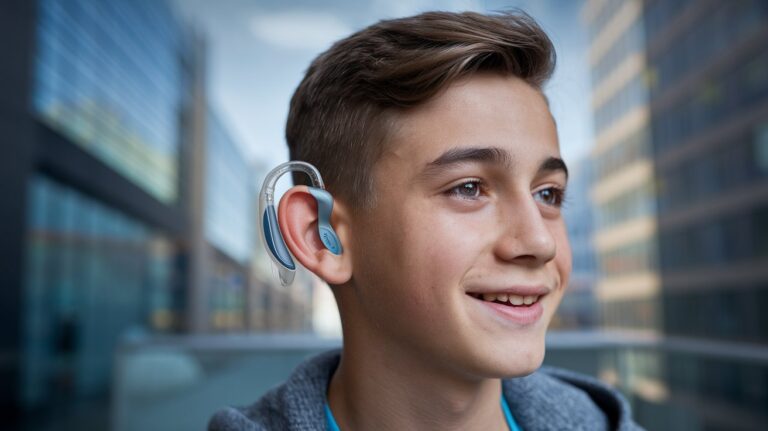
One of the most damaging myths about hearing aids suggests they’re exclusively for seniors. In reality, hearing loss affects Americans of all ages, with the CDC reporting that 12.7% of children aged 6-19 show signs of hearing damage. Additionally, noise-induced hearing loss among younger adults has increased by 31% since 2000, making hearing aids relevant across all age groups in modern America.
Myth 2: Modern Hearing Aids Are Still Large and Noticeable
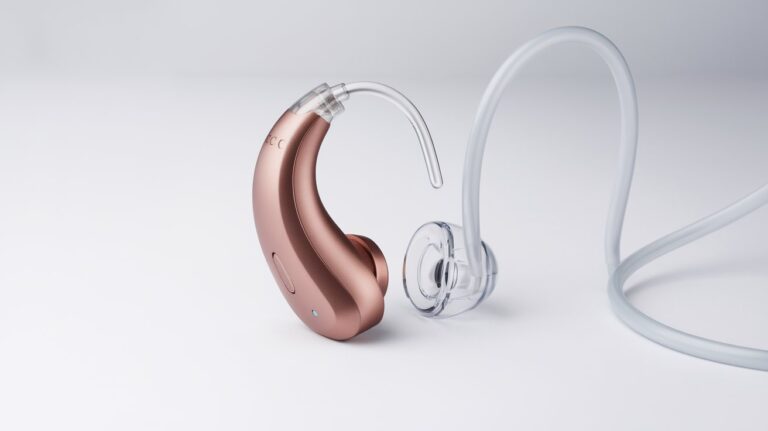
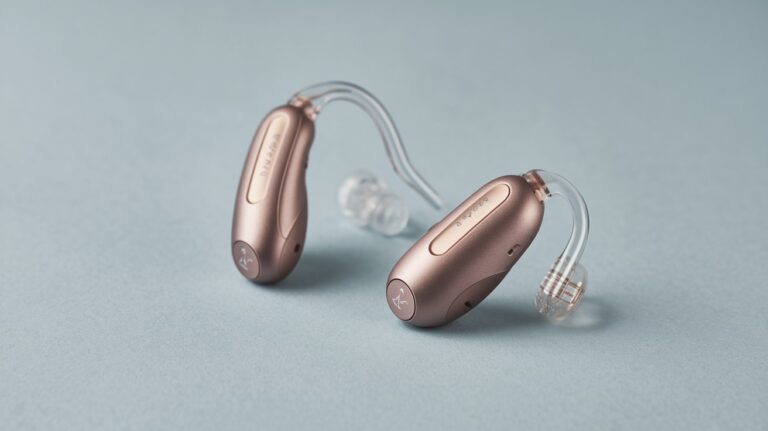
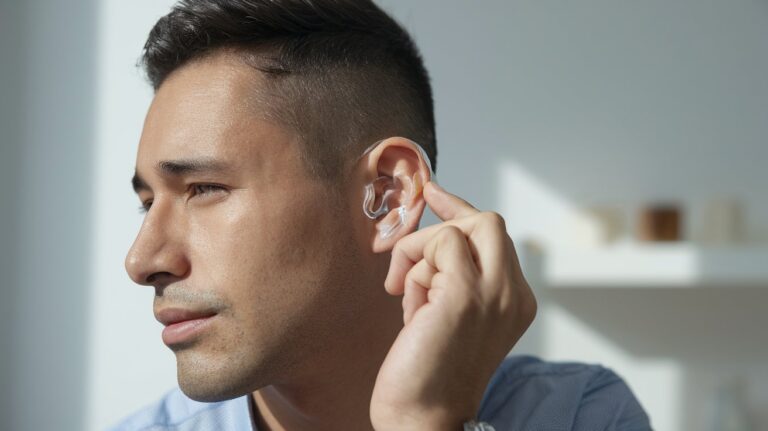
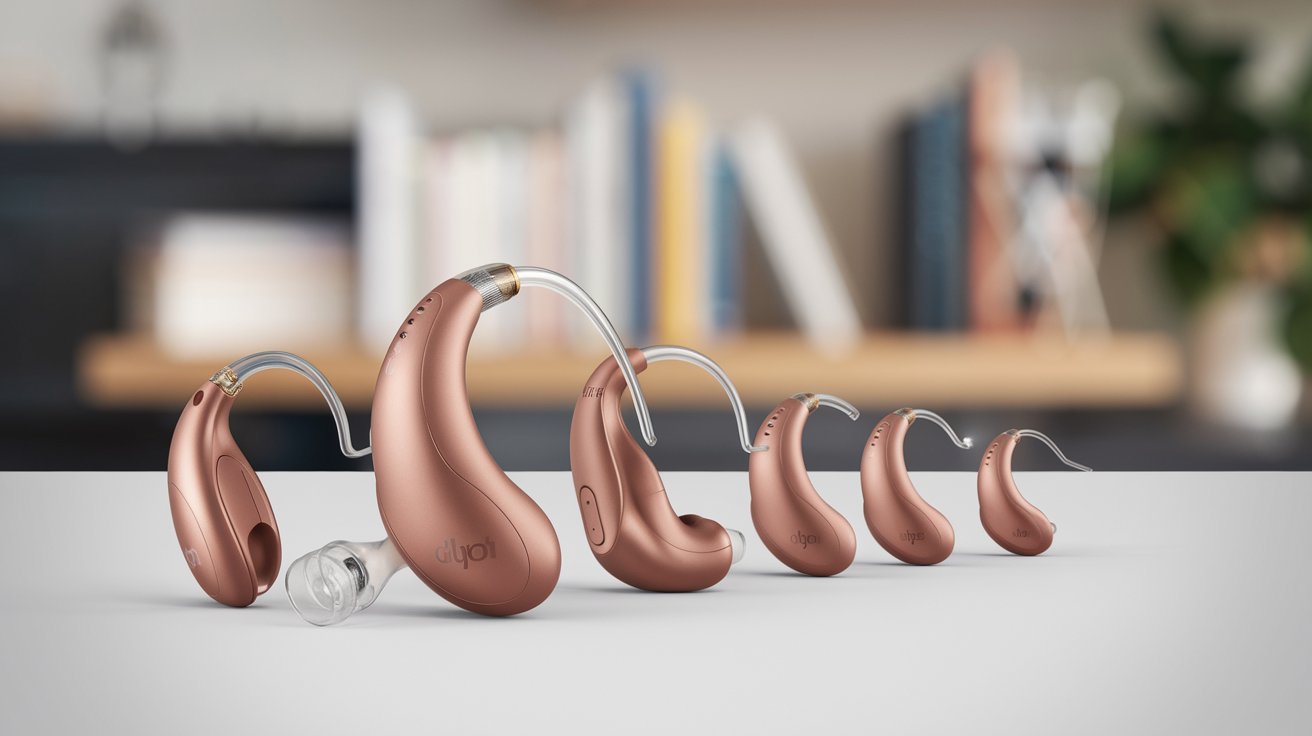
Today’s hearing aids are virtually invisible, with many models sitting completely inside the ear canal. Advanced manufacturing techniques have reduced device sizes by up to 80% compared to 1990s models. Companies like Phonak and Oticon now produce hearing aids smaller than a contact lens, completely debunking this outdated myth about device visibility and social stigma.
Technology Myths Versus Modern Reality
The rapid evolution of hearing aid technology has outpaced public awareness, creating a significant gap between perception and reality. Modern hearing aids incorporate artificial intelligence, smartphone connectivity, and advanced noise processing that rivals high-end audio equipment. These technological advances address many historical complaints about hearing aid performance and user experience.
According to the American Speech-Language-Hearing Association, 2025 models feature machine learning capabilities that automatically adjust to different listening environments. This truth about hearing aids contradicts the myth that users must constantly adjust settings or struggle with poor sound quality in various situations.
Advanced Features Debunking Old Assumptions
Contemporary hearing aids offer Bluetooth connectivity, allowing direct streaming from phones, televisions, and music devices. Many models include GPS tracking, fall detection, and health monitoring capabilities that extend far beyond basic amplification. These features transform hearing aids into comprehensive health and communication devices, completely contradicting outdated perceptions about limited functionality.
Battery Life and Convenience Improvements
Rechargeable hearing aids now provide 24-30 hours of continuous use on a single charge, eliminating the hassle of frequent battery changes. Wireless charging cases offer additional power on-the-go, making battery anxiety a thing of the past. This advancement directly addresses the myth that hearing aid maintenance is complicated or inconvenient for daily users.
Cost and Insurance Coverage Realities
Financial concerns represent one of the most persistent barriers to hearing aid adoption. However, the landscape of hearing aid costs and coverage has dramatically changed in recent years. The Over-the-Counter Hearing Aid Act of 2022 introduced affordable options starting at $199, while insurance coverage has expanded significantly across major providers.
Medicare Advantage plans now cover hearing aids for over 27 million Americans, and many employer health plans include hearing benefits. Additionally, flexible spending accounts and health savings accounts can offset hearing aid costs, making these devices more accessible than ever before in American healthcare.
Over-the-Counter Options Change the Game
FDA-approved over-the-counter hearing aids provide affordable solutions for mild to moderate hearing loss without requiring professional fittings. Major retailers like Best Buy, CVS, and Walmart now carry these devices, increasing accessibility and reducing costs. This regulatory change directly debunks myths about hearing aids being exclusively expensive, prescription-only medical devices.
Professional Services Remain Valuable
While OTC options exist, audiologist-fitted hearing aids still provide superior outcomes for complex hearing loss patterns. Professional services include comprehensive hearing evaluations, custom programming, and ongoing adjustments that maximize device effectiveness. The truth about hearing aids is that professional care enhances outcomes, though it’s not always mandatory for every user.
Performance and Effectiveness Facts
Clinical studies consistently demonstrate that properly fitted hearing aids improve quality of life, cognitive function, and social engagement. The Johns Hopkins School of Medicine found that hearing aid users show 75% less cognitive decline compared to untreated individuals. These measurable benefits contradict myths suggesting hearing aids provide minimal or temporary improvements.
Modern signal processing eliminates the feedback whistling associated with older devices, while directional microphones enhance speech clarity in noisy environments. Users report 89% satisfaction rates with current hearing aid technology, according to 2024 MarkeTrak consumer surveys, demonstrating significant improvements in user experience and device effectiveness.
Social and Lifestyle Impact Clarifications
Contrary to persistent myths, hearing aids enhance rather than limit social interactions and lifestyle activities. Users report increased confidence in social situations, improved job performance, and greater participation in recreational activities. The stigma historically associated with hearing aids has largely disappeared as devices become smaller, smarter, and more socially accepted.
Research from the Better Hearing Institute indicates that hearing aid users earn an average of $12,000 more annually than those with untreated hearing loss. This economic benefit, combined with improved relationships and mental health outcomes, demonstrates that hearing aids provide comprehensive life improvements rather than social limitations.
Professional and Career Benefits
Workplace performance improves significantly with hearing aids, as users can participate fully in meetings, phone calls, and collaborative projects. Many professionals report career advancement opportunities that were previously limited by communication difficulties. Modern hearing aids support professional success rather than hindering workplace interactions.
Recreation and Entertainment Enhancement
Contemporary hearing aids enhance enjoyment of movies, concerts, and outdoor activities through specialized programs and noise management features. Many devices offer specific settings for music appreciation, sports events, and recreational activities. This versatility contradicts myths about hearing aids limiting enjoyable activities or entertainment experiences.
Health and Safety Considerations Debunked
Medical myths surrounding hearing aids often discourage potential users from seeking appropriate treatment. Modern devices are medically safe, biocompatible, and designed for extended daily wear without adverse effects. Professional fitting ensures proper ear canal health and optimal device performance without causing damage or discomfort to users.
Studies show that early hearing aid adoption prevents further hearing deterioration and reduces associated health risks including depression, anxiety, and cognitive decline. The myth that hearing aids worsen hearing loss is completely unfounded, as proper amplification actually protects remaining hearing capacity and supports overall auditory health maintenance.
Related video about hearing aid myths debunked
This video complements the article information with a practical visual demonstration.
Questions & Answers
Do hearing aids actually restore normal hearing?
Hearing aids significantly improve hearing ability but don’t restore it to completely normal levels. Modern devices amplify and process sounds to maximize your remaining hearing capacity, helping you hear speech and environmental sounds more clearly. The degree of improvement depends on your specific type and severity of hearing loss, but most users experience substantial benefits in communication and quality of life.
Will wearing hearing aids make my hearing worse over time?
No, properly fitted hearing aids do not cause additional hearing loss. This persistent myth has no scientific basis. In fact, using hearing aids helps maintain your auditory processing abilities and may slow further hearing decline. Audiologists carefully program devices to provide appropriate amplification levels that protect your remaining hearing while maximizing communication effectiveness.
Are modern hearing aids really that different from older models?
Yes, today’s hearing aids are dramatically different from devices even 10 years ago. Modern hearing aids feature artificial intelligence, smartphone connectivity, rechargeable batteries, and advanced noise processing. They’re smaller, more comfortable, and provide significantly better sound quality. Many users can’t believe the difference compared to older technology they may have tried previously.
How long does it take to adjust to new hearing aids?
Most people adjust to new hearing aids within 2-6 weeks of consistent daily wear. Your brain needs time to relearn how to process sounds you haven’t heard clearly in months or years. Gradual increases in wearing time, starting with a few hours daily and building up, helps ease this transition. Professional follow-up appointments ensure optimal adjustment and address any concerns during this adaptation period.
Can I wear hearing aids if I have mild hearing loss?
Absolutely. Many people with mild hearing loss benefit significantly from hearing aids, especially in challenging listening situations like restaurants or group conversations. Early intervention with hearing aids can prevent communication difficulties from worsening and maintain your quality of life. Over-the-counter options are now available specifically for mild to moderate hearing loss without requiring professional fittings.
Do hearing aids work well in noisy environments?
Modern hearing aids excel in noisy environments thanks to advanced features like directional microphones, noise reduction algorithms, and artificial intelligence that automatically adjusts settings. Many models can distinguish between speech and background noise, amplifying conversation while reducing unwanted sounds. While no hearing aid can eliminate all background noise, today’s technology provides substantial improvements in challenging listening situations.
| Common Myth | Modern Reality | Key Benefit |
|---|---|---|
| Only for elderly people | All ages benefit from hearing aids | Early intervention prevents further loss |
| Large and noticeable | Invisible and discreet designs | No social stigma or visibility concerns |
| Too expensive | OTC options start at $199 | Affordable access for mild hearing loss |
| Poor sound quality | AI-powered noise processing | Crystal clear speech in all environments |
| Difficult maintenance | Rechargeable with 24+ hour battery | Convenient daily use without hassles |