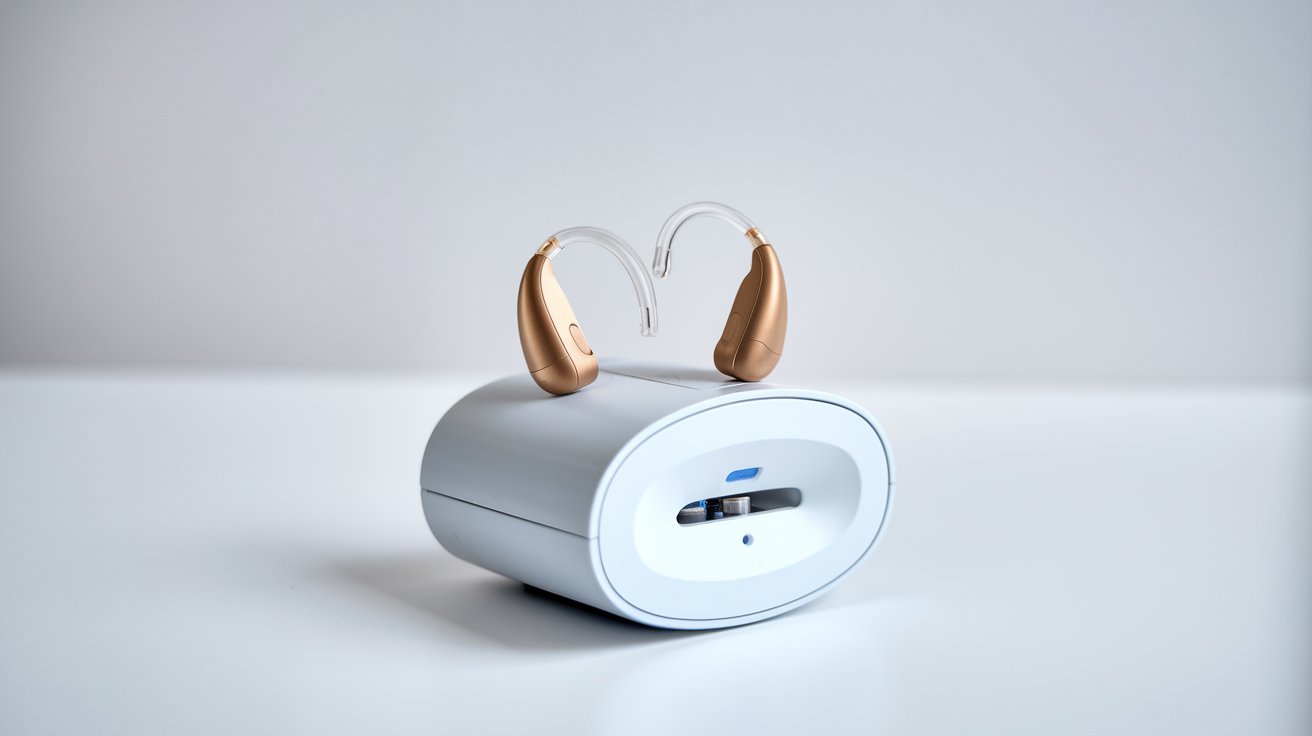
Best Hearing Aid Dryer 2025: Ultimate Protection Guide
A hearing aid dryer is an essential device that removes moisture from your hearing aids, extending their lifespan and maintaining optimal performance. With over 48 million Americans experiencing hearing loss in 2025, proper maintenance using the best hearing aid dryer can prevent costly repairs and ensure consistent functionality of your devices.
Why Hearing Aid Dryers Are Essential for Device Protection
Moisture is the primary enemy of hearing aid devices, causing up to 70% of all hearing aid malfunctions according to 2024 audiology reports. Daily exposure to humidity, earwax, and perspiration creates an environment where bacteria thrive and electronic components deteriorate. A hearing aid dryer removes this moisture effectively, preventing corrosion and maintaining optimal sound quality.
Professional audiologists recommend using a dryer daily to remove accumulated moisture that naturally occurs during wear. The average American experiences humidity levels between 30-50% indoors, which is sufficient to damage sensitive hearing aid electronics over time. Regular use of a hearing aid dehumidifier can extend device lifespan by up to 3 years compared to unprotected devices.
Moisture Damage Statistics in 2024-2025
Recent data from the American Audiology Association shows that moisture damage accounts for 68% of hearing aid warranty claims in 2024. The average repair cost for moisture damage ranges from $200-$400 per device, making prevention through a hearing aid dryer a cost-effective investment. Users who employ daily drying routines report 85% fewer technical issues compared to those who don’t use protective measures.
Impact on Rechargeable Hearing Aids
The growing popularity of hearing aid dryer for rechargeable hearing aids reflects the unique vulnerability of these devices to moisture. Rechargeable models contain lithium-ion batteries that are particularly sensitive to humidity, with exposure potentially reducing battery life by 40%. Modern dryers designed specifically for rechargeable devices incorporate UV-C sanitization alongside moisture removal, addressing both hygiene and preservation needs.
Top Hearing Aid Dryer Brands and Models in 2025
The best hearing aid dryer market has evolved significantly, with leading manufacturers offering advanced features like UV sanitization, programmable cycles, and smart connectivity. Industry leaders include Redux, Oticon, and Phonak, each providing unique solutions for different user needs and device types. Professional-grade models used in clinics are now available for home use, bringing clinical-quality care to daily maintenance routines.
Consumer testing in 2024 revealed that the most effective hearing aid dryers combine heat circulation, desiccant materials, and UV-C light for comprehensive protection. The average drying cycle takes 3-8 hours, with some premium models offering rapid 30-minute options for emergency situations. Price ranges vary from $50 for basic models to $400 for professional-grade systems with advanced features.
Redux Hearing Aid Dryer Series
The Redux hearing aid dryer line represents the gold standard in professional hearing aid care, trusted by over 2,000 audiologist offices across the United States. The Redux Pro Link offers clinic-grade drying with programmable cycles and smartphone connectivity, while the DryBUDDY provides compact home use solutions. These devices use patented heat and air circulation technology to achieve 99.9% moisture removal in standard 8-hour cycles.
Brand-Specific Options: Oticon and Phonak
Both Oticon hearing aid dryer and Phonak hearing aid dryer models are engineered specifically for their respective hearing aid ecosystems. Oticon’s drying solutions integrate with their More and Real series hearing aids, featuring customized drying profiles for optimal results. Phonak’s dryers complement their Paradise and Lumity lines, with special accommodations for their unique charging systems and form factors.
Where to Buy: Costco and Retail Options
The hearing aid dryer Costco selection has expanded significantly in 2025, offering competitive pricing on popular models with their signature bulk purchasing power. Costco members can access Redux, Dry & Store, and Zephyr models at 15-20% below standard retail pricing. Their hearing aid centers also provide professional consultation on choosing the best hearing aid dryer for specific device types and usage patterns.
Traditional retail channels including Best Buy, Amazon, and specialty audiology suppliers offer the widest selection of hearing aid dryer box options. Online purchasing provides access to user reviews and comparison tools, while brick-and-mortar stores allow hands-on evaluation before purchase. Many retailers offer bundle deals combining dryers with cleaning kits and replacement supplies.
Online vs. In-Store Purchasing Benefits
Online purchasing of hearing aid dryers offers convenience and often better pricing, with many retailers providing free shipping on orders over $50. However, in-store purchases from audiology clinics include professional setup and personalized recommendations based on your specific hearing aid model. Many users find the best hearing aid dryer through their audiologist’s recommendations, ensuring compatibility and optimal performance.
Warranty and Support Considerations
Premium dryers typically include 2-3 year warranties covering both parts and labor, with some manufacturers offering extended coverage for an additional fee. Professional-grade models like the Redux series include lifetime technical support and replacement part availability. When selecting a hearing aid dehumidifier, consider the manufacturer’s reputation for customer service and local repair facility availability.
How to Use a Hearing Aid Dryer Effectively
Proper use of a hearing aid dryer requires establishing a consistent nightly routine for maximum effectiveness. Remove hearing aids before bedtime, clean external surfaces with a dry cloth, then place devices in the dryer with battery doors open or charging contacts accessible. Most models automatically start their cycles when devices are detected, completing the process overnight for morning retrieval.
Professional audiologists recommend using your hearing aid dryer every night, not just when moisture is visible. Microscopic moisture accumulates daily from normal wear, and consistent drying prevents long-term damage even when devices appear dry. Advanced models with UV sanitization should be used according to manufacturer schedules, typically 2-3 times per week for optimal hygiene benefits.
Daily Maintenance Routine
A proper daily routine with your hearing aid dryer begins with gentle cleaning using manufacturer-approved wipes or tools. Remove any visible moisture or debris before placing devices in the dryer box, ensuring proper ventilation around all openings. The complete cycle typically takes 6-8 hours, making overnight drying the most practical approach for daily users.
Troubleshooting Common Issues
If your hearing aid dryer isn’t performing optimally, check for expired desiccant materials or blocked air vents that can reduce effectiveness. Most quality dryers include indicator lights or displays showing cycle progress and completion status. Contact manufacturer support if devices aren’t achieving complete dryness after normal cycle times, as this may indicate internal component issues requiring professional service.
DIY vs. Commercial Hearing Aid Dryers
While some users wonder how to make a hearing aid dryer at home, commercial units offer superior safety and effectiveness compared to DIY solutions. Homemade dryers using rice or silica gel packets cannot provide consistent temperature and humidity control necessary for optimal results. Professional hearing aid dryers incorporate safety features preventing overheating damage and ensure uniform drying across all device components.
The cost difference between DIY and commercial solutions is minimal when considering long-term hearing aid protection. A quality commercial dryer costs $50-$150 but can prevent thousands in damage repairs over time. DIY methods also lack UV sanitization capabilities and precise moisture monitoring that premium hearing aid dehumidifier models provide.
Related video about hearing aid dryer
This video complements the article information with a practical visual demonstration.
Questions & Answers
Do hearing aid dryers really work?
Yes, hearing aid dryers are highly effective, removing up to 99.9% of moisture when used properly. Clinical studies show they reduce moisture-related repairs by 85% and extend hearing aid lifespan by an average of 3 years. Professional audiologists universally recommend their use for optimal device maintenance.
How often should I use a hearing aid dryer?
You should use a hearing aid dryer nightly for best results. Daily drying removes accumulated moisture from normal wear, preventing long-term damage. Even if devices appear dry, microscopic moisture can cause gradual deterioration of sensitive electronic components without regular removal.
Can I use the same dryer for different hearing aid brands?
Most hearing aid dryers are universal and compatible with all major brands including Oticon, Phonak, and Widex. However, some manufacturers offer brand-specific models with optimized settings for their devices. Check compatibility specifications to ensure your chosen dryer accommodates your specific hearing aid model and size.
What’s the difference between a dryer and dehumidifier for hearing aids?
The terms hearing aid dryer and hearing aid dehumidifier are often used interchangeably, but dryers typically use active heat and air circulation while dehumidifiers may rely on desiccant materials alone. Modern devices combine both technologies for maximum effectiveness, often adding UV sanitization for comprehensive protection.
Are hearing aid dryers safe for rechargeable devices?
Yes, quality hearing aid dryers for rechargeable hearing aids are specifically designed to accommodate lithium-ion batteries safely. They maintain temperatures below 45°C to prevent battery damage while effectively removing moisture. Many models include special cradles or adapters for rechargeable device charging contacts.
How long do hearing aid dryers last?
A well-maintained hearing aid dryer typically lasts 5-7 years with regular use. Professional-grade models like Redux units often exceed 10 years of service. Replacement needs usually involve desiccant materials (annually) or UV bulbs (every 2-3 years), while the main unit remains functional for extended periods.
| Dryer Type | Key Features | Best For | Price Range |
|---|---|---|---|
| Basic Desiccant | Silica gel, passive drying | Occasional users | $20-$50 |
| Electric Heat | Active heating, timer | Daily users | $80-$150 |
| UV Sanitizing | Heat + UV-C light | Health-conscious users | $150-$250 |
| Professional Grade | Smart controls, connectivity | Premium protection | $300-$400 |