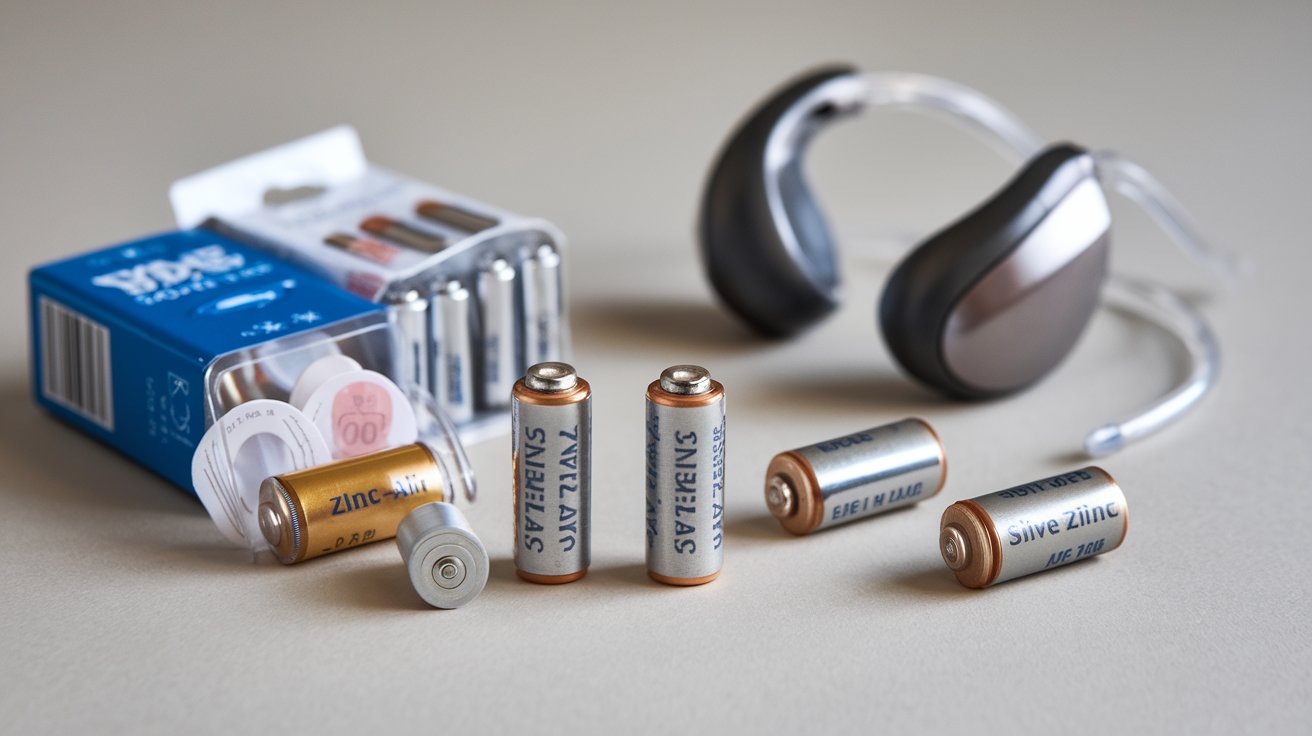
Hearing Aid Battery Guide 2025: Types, Lifespan & Tips
Understanding hearing aid battery types and proper maintenance is crucial for optimal device performance. This comprehensive guide covers everything you need to know about hearing aid batteries in 2025, from selecting the right size to maximizing battery life and finding reliable replacement sources across the United States.
What Kind of Battery Does a Hearing Aid Use?
Modern hearing aids primarily use zinc-air batteries, which are specifically designed for hearing aid battery applications. These batteries generate power through a chemical reaction between zinc and oxygen from the air, providing consistent voltage output throughout their lifespan. The most common sizes include 10, 13, 312, and 675, each identified by a color-coded tab system that makes identification simple for users across the United States.
Zinc-air batteries offer several advantages over traditional battery types, including higher energy density and stable voltage output. When you remove the protective tab, the battery becomes activated and begins producing power immediately. This design ensures that your hearing aid battery delivers reliable performance from the moment of activation until depletion, typically providing 3-22 days of continuous use depending on the size and your hearing aid’s power requirements.
Standard Hearing Aid Battery Sizes
The four standard hearing aid battery sizes are universally recognized through an international color-coding system. Size 10 batteries (yellow tab) are the smallest and typically last 3-7 days, perfect for completely-in-canal hearing aids. Size 312 batteries (brown tab) offer 3-10 days of power and fit most behind-the-ear models. Size 13 batteries (orange tab) provide 6-14 days of operation for larger hearing aids, while size 675 batteries (blue tab) deliver the longest lifespan of 9-22 days for high-power devices.
Rechargeable vs Disposable Options
The rechargeable hearing aid battery market has expanded significantly in 2024-2025, with lithium-ion technology becoming increasingly popular. These batteries typically last 24 hours on a single charge and can be recharged nightly for 4-6 years before replacement. While disposable zinc-air batteries remain more common and cost-effective initially, rechargeable options offer long-term convenience and environmental benefits for users who prioritize sustainability and ease of use.
Hearing Aid Battery Lifespan and Performance
The lifespan of your hearing aid battery depends on multiple factors including battery size, hearing aid technology, usage patterns, and environmental conditions. In 2025, average battery life ranges from 3-22 days, with smaller batteries requiring more frequent replacement. Advanced hearing aids with Bluetooth connectivity, noise reduction, and directional microphones consume more power, potentially reducing battery life by 30-50% compared to basic models.
Environmental factors significantly impact hearing aid battery performance across different regions of the United States. High humidity levels in states like Florida and Louisiana can reduce battery life by up to 20%, while extreme cold in northern states may cause temporary power reduction. Storing batteries at room temperature and low humidity conditions helps maintain optimal performance and extends overall lifespan.
Factors Affecting Battery Duration
Several key factors influence how long your hearing aid battery will last in real-world conditions. Streaming audio from smartphones or TV devices can reduce battery life by 25-40%, while severe hearing loss requiring higher amplification levels increases power consumption. Wind noise reduction, feedback suppression, and automatic program switching all contribute to increased battery drain, making it essential to understand your specific hearing aid’s power requirements.
Maximizing Battery Performance
To extend your hearing aid battery life, follow the 5-minute rule: after removing the protective tab, wait 5 minutes before inserting the battery into your device. This allows the zinc-air reaction to stabilize, potentially increasing battery life by 10-15%. Additionally, opening the battery compartment when not in use prevents unnecessary power drain and helps control moisture buildup that can damage both the battery and hearing aid components.
The 5 Minute Rule for Hearing Aid Batteries
The 5-minute rule is a critical best practice for hearing aid battery optimization that many users overlook. After removing the protective tab from a zinc-air battery, waiting exactly 5 minutes allows the air holes to fully activate and the internal chemistry to stabilize. This simple step can increase battery life by 10-15% and ensures consistent power output from the moment you insert the battery into your hearing aid.
During those crucial 5 minutes, the zinc inside the hearing aid battery begins reacting with oxygen from the air, building up the electrochemical potential needed for optimal performance. Rushing this process by immediately inserting the battery can result in inconsistent power delivery and reduced overall lifespan. Setting a timer or using this period to clean your hearing aid ensures you maximize both battery performance and device maintenance.
Can You Replace Hearing Aid Batteries Yourself?
Yes, most users can safely perform hearing aid battery replacement themselves with proper technique and preparation. The process involves opening the battery compartment, removing the depleted battery with the provided magnetic tool or your fingernail, and inserting the new battery with the positive side facing up. Most hearing aids have clear markings or color coding to indicate proper battery orientation, making self-replacement straightforward for the majority of users.
However, some situations require professional assistance for hearing aid battery replacement. Users with arthritis, vision problems, or tremors may find the small battery size challenging to handle safely. Additionally, if your hearing aid uses a rechargeable lithium-ion battery that needs replacement after 4-6 years, this typically requires professional service to ensure proper installation and device calibration. Modern hearing aid dispensers across the United States often provide free battery replacement services for customers who prefer professional assistance.
Safe Battery Replacement Techniques
Proper hearing aid battery replacement technique starts with washing and thoroughly drying your hands to prevent moisture transfer. Use the magnetic removal tool provided with your hearing aid or gently use your fingernail to lift out the old battery. Never force a battery into the compartment, as this can damage the contacts or the hearing aid itself. The battery should fit snugly but slide in easily when properly oriented.
When to Seek Professional Help
Seek professional assistance for hearing aid battery replacement if you notice corrosion in the battery compartment, difficulty closing the compartment door, or if your hearing aid stops working even with fresh batteries. White or green residue around battery contacts indicates corrosion that requires professional cleaning. Additionally, if you frequently drop or damage batteries during replacement, many hearing healthcare providers offer complimentary replacement services as part of ongoing care packages.
Best Hearing Aid Battery Brands in 2025
The best hearing aid battery brands in 2025 consistently deliver reliable performance and extended lifespan across all major hearing aid manufacturers. Rayovac Extra Advanced, Duracell EasyTab, and Energizer EZ Turn & Lock represent the top tier of zinc-air battery technology, offering 10-15% longer life than generic alternatives. These premium brands maintain strict quality control standards and provide consistent voltage output throughout the battery’s lifespan.
Brand-specific options like Phonak hearing aid battery products are often rebranded versions of major manufacturers but may offer slight performance optimizations for specific hearing aid models. However, independent testing in 2024-2025 shows that generic batteries from reputable manufacturers like Power One and ZeniPower deliver comparable performance at 20-30% lower cost, making them excellent value alternatives for budget-conscious users across the United States.
Where to Find Hearing Aid Battery Near Me
Finding hearing aid battery near me has become increasingly convenient with expanded retail availability across the United States in 2025. Major pharmacy chains including CVS, Walgreens, and Rite Aid stock all four standard battery sizes, typically located near the pharmacy counter or in the health and wellness section. Walmart, Target, and most grocery stores also carry hearing aid batteries, often at competitive prices with bulk purchasing options available.
For immediate needs, many hearing aid battery near me searches reveal local hearing healthcare providers who sell batteries directly to walk-in customers. Costco hearing centers, audiologist offices, and hearing aid dispensers typically stock premium brands and offer expert advice on battery selection. Online retailers like Amazon, Battery Junction, and direct manufacturer websites provide bulk purchasing options with same-day or next-day delivery in most major metropolitan areas, ensuring you never run out of power unexpectedly.
Emergency Battery Sources
When you need hearing aid battery replacements urgently, 24-hour pharmacies and convenience stores often stock at least size 312 and 675 batteries due to high demand. Many airports now carry hearing aid batteries in their convenience stores, recognizing the needs of traveling passengers. Gas stations in smaller towns increasingly stock basic hearing aid batteries as part of their health product offerings, making emergency replacement possible even in rural areas.
Online vs In-Store Shopping
Online hearing aid battery purchasing offers significant cost savings, with bulk packages often 40-50% less expensive than individual retail purchases. However, in-store shopping allows you to verify expiration dates and battery freshness, which is crucial for zinc-air batteries that have limited shelf life once manufactured. Many users adopt a hybrid approach, maintaining emergency supplies purchased locally while buying monthly supplies online for optimal cost-effectiveness and convenience.
Hearing Aid Battery Storage and Care
Proper hearing aid battery storage significantly impacts performance and shelf life, with correct techniques extending usability by up to 12 months beyond typical storage conditions. Store unopened batteries at room temperature in a dry location, avoiding bathrooms, basements, or areas with high humidity. The refrigerator storage myth persists, but modern zinc-air batteries actually perform better at consistent room temperature between 68-78°F, which is optimal across most regions of the United States.
Never remove the protective tab until you’re ready to use the hearing aid battery, as activation begins immediately upon air exposure. Keep batteries in their original packaging to prevent accidental activation and maintain the protective seal. If you live in humid climates like the southeastern United States, consider using a hearing aid dehumidifier or storage case with desiccant packets to protect both batteries and your hearing aid from moisture damage that can significantly reduce performance and lifespan.
Related video about hearing aid battery
This video complements the article information with a practical visual demonstration.
FAQ – Common Questions
What kind of battery does a hearing aid use?
Hearing aids primarily use zinc-air batteries in four standard sizes: 10, 13, 312, and 675. These batteries generate power through a chemical reaction between zinc and oxygen, providing consistent voltage throughout their lifespan. The size needed depends on your specific hearing aid model, with smaller devices typically using size 10 or 312 batteries, while larger or high-power hearing aids use size 13 or 675 batteries.
What is the 5 minute rule for hearing aid batteries?
The 5-minute rule involves waiting 5 minutes after removing the protective tab from a zinc-air battery before inserting it into your hearing aid. This allows the battery’s internal chemistry to stabilize and the air holes to fully activate, potentially increasing battery life by 10-15% and ensuring consistent power output from the moment of insertion.
What is the lifespan of a hearing aid battery?
Hearing aid battery lifespan varies by size and usage, ranging from 3-22 days. Size 10 batteries last 3-7 days, size 312 batteries last 3-10 days, size 13 batteries provide 6-14 days of power, and size 675 batteries offer the longest life at 9-22 days. Factors like hearing aid features, streaming usage, and environmental conditions can significantly impact actual battery life.
Can you replace hearing aid batteries yourself?
Yes, most users can safely replace hearing aid batteries themselves. The process involves opening the battery compartment, removing the old battery with a magnetic tool or fingernail, and inserting the new battery with the positive side up. However, users with dexterity issues or vision problems may benefit from professional assistance, which many hearing healthcare providers offer as a complimentary service.
Where can I buy hearing aid batteries near me?
Hearing aid batteries are widely available at pharmacies (CVS, Walgreens, Rite Aid), big box stores (Walmart, Target), grocery stores, and hearing healthcare providers. Many locations stock all four standard sizes, with prices ranging from $1-2 per battery retail to $0.50-1.00 when purchased online in bulk. For emergency needs, many 24-hour pharmacies and convenience stores carry the most common sizes.
How do I store hearing aid batteries properly?
Store unopened hearing aid batteries at room temperature (68-78°F) in a dry location, keeping them in original packaging until ready to use. Avoid humid areas like bathrooms and never refrigerate modern zinc-air batteries. Don’t remove protective tabs until you’re ready to insert the battery, as activation begins immediately upon air exposure. In humid climates, use dehumidifiers or desiccant packets for additional protection.
| Battery Size | Color Code | Typical Lifespan | Best For |
|---|---|---|---|
| Size 10 | Yellow Tab | 3-7 days | CIC, IIC hearing aids |
| Size 312 | Brown Tab | 3-10 days | BTE, RIC hearing aids |
| Size 13 | Orange Tab | 6-14 days | BTE, ITE hearing aids |
| Size 675 | Blue Tab | 9-22 days | High-power BTE |