Sensorineural Hearing Aids: Complete Guide for 2025
Sensorineural hearing loss affects sensorineural hearing aids users when inner ear damage occurs, making traditional amplification insufficient. Modern hearing aids for sensorineural loss use advanced digital processing and specialized algorithms to compensate for damaged hair cells, providing clearer sound quality and improved speech recognition for the 36 million Americans experiencing this condition.
Understanding Sensorineural Hearing Loss and Hearing Aid Requirements
Sensorineural hearing loss represents the most common form of permanent hearing loss, affecting approximately 90% of all hearing-impaired individuals in the United States. This condition occurs when damage happens to the inner ear’s hair cells or the auditory nerve pathways. Unlike conductive hearing loss, sensorineural hearing loss cannot be corrected through surgical intervention, making hearing aids the primary treatment option available.
The complexity of sensorineural hearing loss requires specialized hearing aids that go beyond simple amplification. Modern sensorineural hearing aids utilize digital signal processing to address specific frequency ranges where hearing loss occurs most severely. These advanced hearing aids can differentiate between speech and background noise, providing users with significantly improved clarity and comprehension in various listening environments.
Types of Hearing Aids for Sensorineural Hearing Loss
Selecting the appropriate hearing aid type depends on the severity and configuration of your sensorineural hearing loss. The 5 types of hearing aids available include behind-the-ear (BTE), in-the-ear (ITE), in-the-canal (ITC), completely-in-canal (CIC), and receiver-in-canal (RIC) models. Each style offers distinct advantages for different degrees of hearing loss and lifestyle requirements.
Behind-the-Ear Hearing Aids for Severe Sensorineural Loss
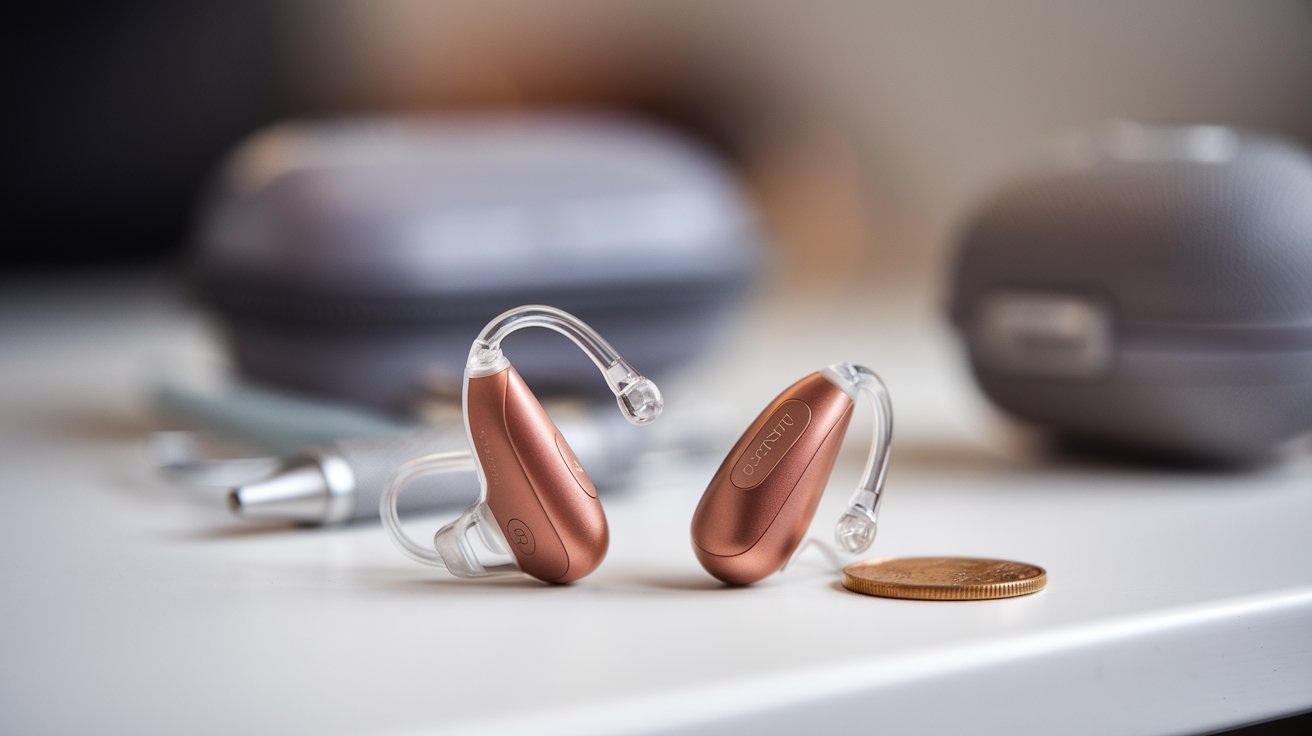
Behind-the-ear hearing aids represent the most powerful option for severe sensorineural hearing loss, providing maximum amplification and advanced features. These hearing aids house all electronic components behind the ear, connected to a custom earmold that fits securely in the ear canal. BTE models accommodate the most sophisticated technology, including directional microphones, noise reduction algorithms, and wireless connectivity features that significantly help users with severe hearing loss.
Receiver-in-Canal Technology for Moderate Sensorineural Loss
Receiver-in-canal hearing aids offer an excellent balance between power and discretion for moderate sensorineural hearing loss. This innovative design places the receiver directly in the ear canal while housing the microphone and processor behind the ear. RIC hearing aids provide superior sound quality and reduced feedback issues, making them an increasingly popular choice among audiologists and patients seeking effective treatment for sensorineural conditions.
Best Treatment Approaches for Sensorineural Hearing Loss
The best treatment for sensorineural hearing loss involves a comprehensive approach combining properly fitted hearing aids with auditory rehabilitation and communication strategies. Research conducted by the American Academy of Audiology in 2024 demonstrates that early intervention with appropriate hearing aids significantly improves outcomes for individuals with sensorineural conditions, preventing further auditory processing deterioration and maintaining cognitive function.
Professional audiological evaluation remains crucial for determining the most effective treatment plan. Audiologists assess the specific frequency pattern of your hearing loss, measure speech discrimination scores, and evaluate your listening environments to recommend the optimal hearing aid configuration. This personalized approach ensures that your sensorineural hearing aids address your unique hearing challenges while maximizing your communication abilities.
How Hearing Aids Help with Sensorineural Hearing Loss
Hearing aids help individuals with sensorineural hearing loss by compensating for damaged inner ear structures through sophisticated digital processing. These advanced devices analyze incoming sounds, amplify specific frequencies where hearing loss occurs, and suppress background noise to improve speech clarity. Modern sensorineural hearing aids can distinguish between different types of sounds, automatically adjusting their response to provide optimal listening experiences across various environments.
The effectiveness of hearing aids in treating sensorineural hearing loss depends on several factors, including the degree of loss, the configuration across different frequencies, and the individual’s speech discrimination abilities. Clinical studies from 2024 show that properly fitted hearing aids can improve speech understanding by 40-60% in quiet environments and 20-30% in noisy situations for individuals with moderate to severe sensorineural hearing loss.
Bone Conduction Hearing Aid Options
Bone conduction hearing aids offer an alternative solution when traditional hearing aids cannot adequately address severe sensorineural hearing loss or when ear canal abnormalities prevent conventional hearing aid use. These innovative devices bypass the damaged inner ear structures by transmitting sound vibrations directly through the skull bone to the functioning auditory nerve pathways.
Two primary types of bone conduction hearing aids are available: skin-drive devices that use headbands or softbands, and bone-anchored hearing aids (BAHA) that require surgical implantation of a titanium fixture. While bone conduction hearing aids may not provide the same sound quality as traditional amplification for all types of sensorineural hearing loss, they can offer significant benefits for individuals with specific audiological configurations or those who cannot tolerate conventional hearing aids.
Hearing Aid Costs and Financial Considerations in 2025
Hearing aid types and costs vary significantly across different manufacturers and technology levels, with prices ranging from $1,500 to $6,000 per hearing aid in the United States. Premium sensorineural hearing aids with advanced features like artificial intelligence, smartphone connectivity, and rechargeable batteries typically cost between $4,000-$6,000 per device, while basic models suitable for mild hearing loss may start around $1,500-$2,500.
Insurance coverage for hearing aids has improved substantially in 2024-2025, with many Medicare Advantage plans now covering partial costs and several state Medicaid programs expanding coverage for hearing aid services. Additionally, the introduction of over-the-counter hearing aids for mild to moderate hearing loss has created more affordable options, though these may not be suitable for severe sensorineural hearing loss requiring professional fitting and programming.
Which Brand of Hearing Aid is Best for Sensorineural Loss
Determining which brand of hearing aid is best for sensorineural hearing loss depends on individual hearing characteristics, lifestyle needs, and budget considerations. Leading manufacturers like Phonak, Oticon, ReSound, Widex, and Signia each offer specialized algorithms and features designed to address different aspects of sensorineural conditions.
Phonak’s Paradise and Lumity series excel in severe hearing loss applications, while Oticon’s More and Real platforms provide exceptional speech processing for complex listening environments. ReSound’s OMNIA technology offers superior wireless connectivity and smartphone integration. The best type of hearing aid for sensorineural hearing loss ultimately depends on professional audiological evaluation and trial periods to determine which manufacturer’s approach works best for your specific hearing loss pattern.
Disadvantages and Limitations of Hearing Aids
Understanding the disadvantages of hearing aids helps set realistic expectations for sensorineural hearing loss management. Common limitations include difficulty in extremely noisy environments, potential feedback issues, battery maintenance requirements, and the adjustment period required for new users. Some individuals with severe sensorineural hearing loss may find that even the most powerful hearing aids cannot restore normal hearing function.
Additional challenges include the ongoing costs of maintenance, battery replacement or charging requirements, and the need for regular professional adjustments. Weather conditions, earwax buildup, and electronic malfunctions can temporarily reduce hearing aid effectiveness. Despite these disadvantages of hearing aids, the benefits significantly outweigh the limitations for most individuals with sensorineural hearing loss, particularly when devices are properly fitted and maintained.
Getting Professional Help and Hearing Aid Fitting
Professional audiological services are essential for successful sensorineural hearing aid outcomes. Licensed audiologists conduct comprehensive hearing evaluations, perform real-ear measurements to verify proper amplification, and provide ongoing support throughout your hearing aid journey. The fitting process typically involves multiple appointments to ensure optimal programming and comfort for your specific hearing loss configuration.
Audiologists also provide crucial counseling and rehabilitation services that help users adapt to their new hearing aids. This includes communication strategies, realistic expectation setting, and troubleshooting support. Many audiology practices offer trial periods allowing you to test different hearing aid models before making a final decision, ensuring you select the most appropriate device for your sensorineural hearing loss needs.
Advanced Features in Modern Sensorineural Hearing Aids
2025’s latest hearing aids incorporate artificial intelligence and machine learning algorithms specifically designed to address sensorineural hearing loss challenges. These advanced features include automatic environment detection, personalized sound processing, and predictive adjustments based on user preferences and listening history. Smart hearing aids can now connect to smartphones, televisions, and other devices, providing direct streaming capabilities that significantly improve the listening experience.
Rechargeable battery technology has become standard in premium sensorineural hearing aids, offering 24-30 hours of use per charge and eliminating the need for frequent battery changes. Advanced directional microphone systems and noise reduction algorithms provide substantial improvements in challenging listening situations, while telecoil technology ensures compatibility with assistive listening devices in public venues throughout the United States.
Related video about sensorineural hearing aids
This video complements the article information with a practical visual demonstration.
FAQ – Common Questions
Which hearing aid is best for sensorineural hearing loss?
The best hearing aid for sensorineural hearing loss depends on the degree and configuration of your hearing loss. Behind-the-ear (BTE) models work best for severe loss, while receiver-in-canal (RIC) devices are excellent for moderate sensorineural hearing loss. Professional audiological evaluation is essential to determine the optimal device for your specific needs.
Do hearing aids help with sensorineural hearing loss?
Yes, hearing aids significantly help with sensorineural hearing loss by compensating for damaged inner ear structures through digital signal processing. Modern hearing aids can improve speech understanding by 40-60% in quiet environments and 20-30% in noisy situations, though results vary based on the degree and pattern of hearing loss.
What device helps with sensorineural hearing loss?
Digital hearing aids are the primary devices that help with sensorineural hearing loss. For severe cases, bone conduction hearing aids or cochlear implants may be considered. Assistive listening devices, smartphone apps, and telecoil-compatible systems also provide additional support in specific listening situations.
What is the best treatment for sensorineural hearing loss?
The best treatment for sensorineural hearing loss combines properly fitted hearing aids with auditory rehabilitation and communication strategies. Early intervention with appropriate hearing aids prevents further auditory processing deterioration and maintains cognitive function. Professional audiological care ensures optimal outcomes through personalized fitting and ongoing support.
How much do sensorineural hearing aids cost in 2025?
Sensorineural hearing aids range from $1,500 to $6,000 per device in 2025. Basic models for mild hearing loss start around $1,500-$2,500, while premium models with advanced features cost $4,000-$6,000. Many insurance plans now offer partial coverage, and financing options are widely available through audiology practices.
What are the disadvantages of hearing aids for sensorineural hearing loss?
Disadvantages include difficulty in extremely noisy environments, potential feedback issues, battery maintenance requirements, adjustment periods, and ongoing costs. Some individuals with severe sensorineural hearing loss may find limitations in very challenging listening situations, though benefits typically outweigh these drawbacks with proper fitting and realistic expectations.
| Hearing Aid Type | Best For Sensorineural Loss | Key Benefit |
|---|---|---|
| Behind-the-Ear (BTE) | Severe to profound loss | Maximum power and features |
| Receiver-in-Canal (RIC) | Moderate sensorineural loss | Superior sound quality |
| Bone Conduction | Severe cases with ear canal issues | Bypasses damaged inner ear |
| In-the-Ear (ITE) | Mild to moderate loss | Easy handling and controls |