Best Rechargeable BTE Hearing Aids 2025: Reviews & Prices
Rechargeable BTE hearing aids have revolutionized hearing assistance in 2025, offering convenience and advanced technology for millions of Americans. These behind-the-ear devices eliminate the constant need for battery replacements while providing exceptional sound quality and comfort. Understanding the features, prices, and performance of today’s rechargeable BTE hearing aids helps you make the best choice for your hearing needs and lifestyle.
Understanding Rechargeable BTE Hearing Aid Technology
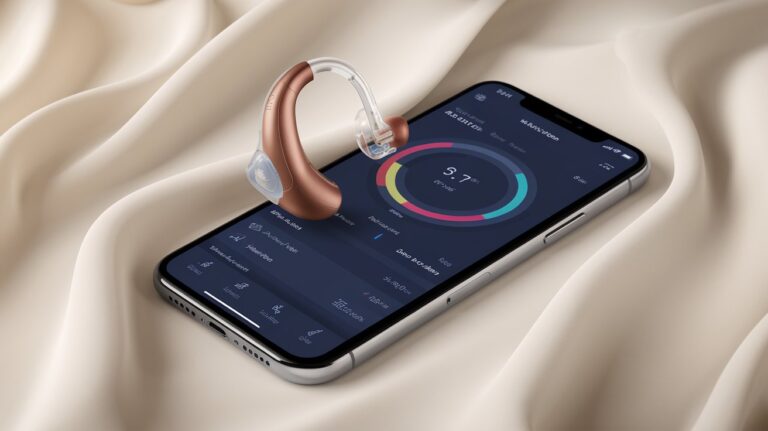
Modern rechargeable BTE hearing aids utilize advanced lithium-ion battery technology that provides 16-30 hours of continuous use per charge. The behind-the-ear design houses sophisticated digital processors that deliver superior sound processing compared to older analog models. These devices connect wirelessly to smartphones, TVs, and other audio sources through Bluetooth technology, making them essential tools for modern hearing assistance.
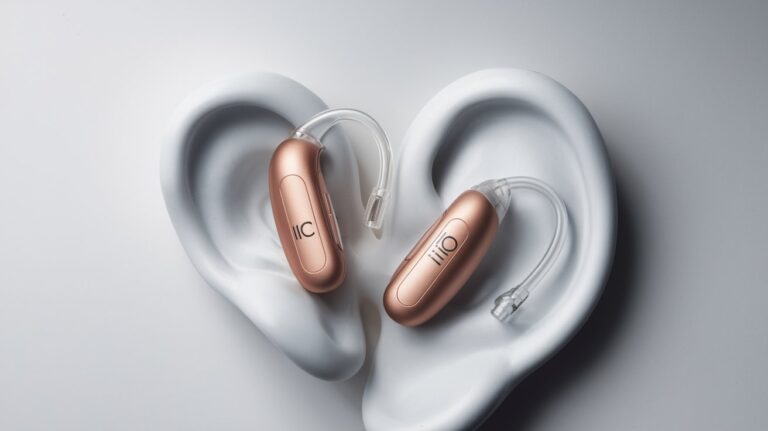
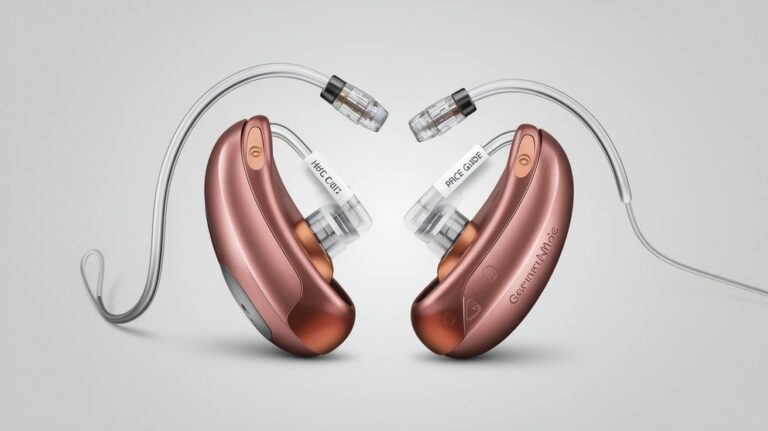
The BTE hearing aid design places all electronic components in a case that sits comfortably behind the ear, connected to the ear canal through a thin tube or wire. This configuration allows for powerful amplification while maintaining a discreet appearance. The rechargeable feature eliminates the need for size 13 or 312 disposable batteries, reducing long-term costs and environmental impact significantly.
Battery Life and Charging Technology
Today’s rechargeable hearing aids offer impressive battery performance with most premium models providing 20-30 hours of use per charge. The charging cases typically provide 3-7 additional full charges, ensuring uninterrupted hearing assistance for several days. Quick-charge technology allows 3-4 hours of use with just 30 minutes of charging, perfect for emergency situations or busy lifestyles.
Digital Processing and Sound Quality
Advanced digital signal processing in modern BTE hearing aids includes noise reduction, speech enhancement, and automatic environment detection. These features work together to provide clear, natural sound quality in various listening situations. The larger size of BTE devices allows for more powerful processors and multiple microphones, delivering superior performance compared to smaller in-ear alternatives.
Top Brands and Models for 2025
The best BTE hearing aid brands in 2025 include Phonak, ReSound, Oticon, Widex, and Signia, each offering unique features and technology advances. Phonak Paradise and Lumity series lead in battery life and connectivity, while ReSound OMNIA excels in sound quality and streaming capabilities. These premium brands typically range from $2,000 to $6,000 per pair in the United States market.
EarCentric has gained attention as an affordable alternative, offering rechargeable BTE hearing aids at significantly lower prices. The EarCentric EasyCharge models provide basic amplification and rechargeable convenience for budget-conscious consumers. However, these devices lack the advanced features and customization options available in premium brands, making them suitable primarily for mild to moderate hearing loss.
Premium Brand Features and Performance
Leading hearing aid brands offer sophisticated features including artificial intelligence, machine learning, and real-time audio adjustments. Phonak’s AutoSense OS automatically adapts to different environments, while Oticon’s BrainHearing technology supports natural sound processing. These premium features justify higher prices but provide exceptional hearing improvement and user satisfaction.
Budget-Friendly Options and Value Analysis
Affordable BTE hearing aid options include EarCentric, Otofonix, and direct-to-consumer brands offering prices between $200-$800 per pair. While these devices lack advanced features, they provide basic amplification and rechargeable convenience for users with simple hearing needs. The value proposition depends on individual hearing loss severity and lifestyle requirements.
BTE Hearing Aid Price Analysis and Cost Factors
The BTE hearing aid price in the United States varies significantly based on technology level, brand reputation, and professional services included. Entry-level rechargeable models start around $500-$1,000 per pair, mid-range options cost $1,500-$3,000, while premium devices can exceed $6,000 per pair. Professional fitting, programming, and follow-up services typically add $500-$1,500 to the total cost.
Insurance coverage for hearing aids has improved in 2025, with Medicare Advantage plans increasingly covering partial costs. Many private insurance plans now provide $1,000-$3,000 benefits toward hearing aid purchases every 3-5 years. Veterans Affairs provides comprehensive hearing aid coverage for eligible veterans, including premium rechargeable models at no cost.
Advantages and Disadvantages of BTE Design
The primary disadvantage of a BTE hearing aid includes potential visibility, wind noise sensitivity, and interference with eyeglasses or face masks. Some users report moisture issues in humid climates or during physical activity. The behind-the-ear placement may cause discomfort during extended phone conversations or when wearing tight-fitting headwear.
However, BTE hearing aids offer significant advantages including superior battery life, powerful amplification, and advanced feature integration. The larger size accommodates multiple microphones, wireless connectivity, and sophisticated processing chips. Maintenance and repairs are typically easier and less expensive compared to smaller hearing aid styles, making BTE devices practical long-term investments.
Mini BTE and Receiver-in-Canal Options
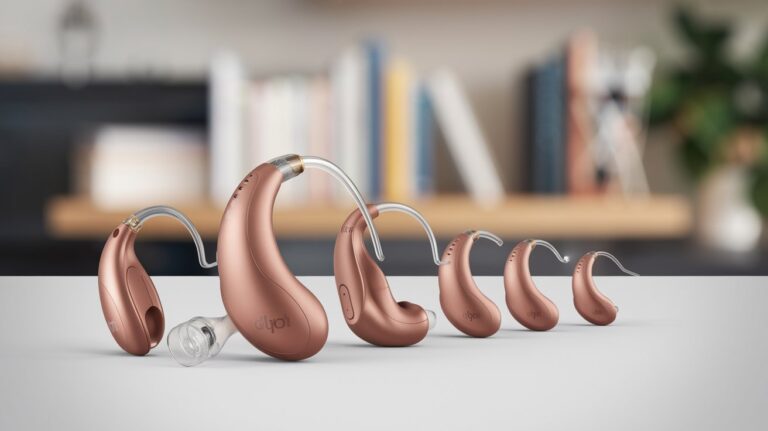
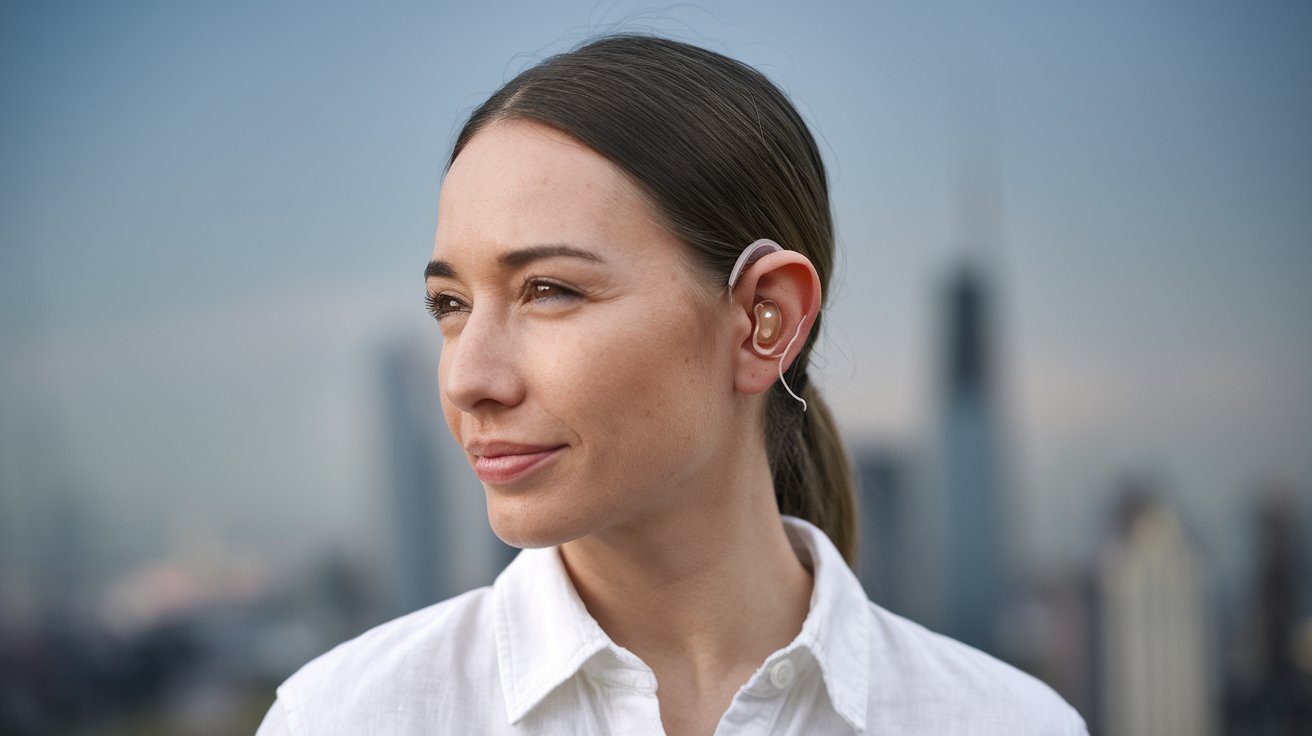
Mini BTE hearing aids represent the newest evolution in behind-the-ear technology, offering reduced size while maintaining powerful performance. These devices use receiver-in-canal (RIC) or receiver-in-ear (RIE) configurations that place the speaker directly in the ear canal, connected by a nearly invisible wire. This design provides better sound quality and reduces the occlusion effect common with traditional BTE styles.
The compact size of mini BTE devices makes them virtually invisible when worn, addressing the primary cosmetic concern of traditional BTE hearing aids. Battery life remains excellent due to efficient digital processing, with most models providing 15-20 hours per charge. The discrete appearance and advanced features make mini BTE the preferred choice for first-time hearing aid users and active individuals.
Lifespan and Durability Expectations
The lifespan of a rechargeable hearing aid typically ranges from 4-7 years with proper care and maintenance. The lithium-ion batteries maintain optimal performance for 2-3 years before experiencing gradual capacity reduction. Most manufacturers offer battery replacement services for $200-$400, extending device life significantly. Regular professional maintenance and software updates help maximize longevity and performance throughout the device’s lifetime.
Environmental factors significantly impact hearing aid durability, with moisture, extreme temperatures, and physical trauma being primary concerns. Modern rechargeable BTE models feature IP68 water resistance ratings, protecting against sweat, rain, and accidental water exposure. Protective cases, regular cleaning, and professional servicing every 6-12 months ensure optimal performance and extended lifespan for most users.
User Reviews and Real-World Performance
BTE hearing aid reviews from 2025 consistently highlight improved battery life, connectivity features, and sound quality compared to previous generations. Users appreciate the convenience of overnight charging and all-day reliability without battery anxiety. Professional audiologist programming and ongoing support receive the highest satisfaction ratings, emphasizing the importance of proper fitting and customization.
Rechargeable hearing aid reviews frequently mention the environmental benefits and long-term cost savings compared to disposable battery models. Many users report spending $100-$200 annually on traditional batteries, making rechargeable technology cost-effective within 1-2 years. The elimination of small battery handling appeals particularly to users with dexterity limitations or visual impairments.
EarCentric Hearing Aids: Complete Review Analysis
EarCentric hearing aid reviews present mixed results, with users praising affordability and basic functionality while noting limitations in advanced features and professional support. The EarCentric EasyCharge models provide adequate amplification for mild hearing loss at prices significantly below traditional hearing aid dispensers. However, lack of professional fitting services and limited customization options restrict their effectiveness for complex hearing needs.
Common EarCentric hearing aids troubleshooting issues include connectivity problems, charging difficulties, and inadequate volume control. The direct-to-consumer model limits professional support options, requiring users to rely on phone support and online resources. While suitable for budget-conscious consumers with simple hearing needs, EarCentric devices cannot replace comprehensive audiological care and premium hearing aid technology.
How to Use EarCentric Hearing Aids Effectively
Proper EarCentric hearing aid usage requires understanding the limited adjustment options and basic controls available. Users should start with lower volume settings and gradually increase amplification as needed. Regular charging, cleaning, and ear dome replacement help maintain optimal performance. The simple design makes EarCentric devices suitable for users seeking basic hearing assistance without complex programming requirements.
EarCentric EasyCharge Performance Evaluation
EarCentric EasyCharge hearing aid reviews indicate satisfactory performance for mild to moderate hearing loss in quiet environments. The rechargeable feature provides 12-16 hours of use per charge, adequate for most daily activities. However, background noise reduction and speech clarity limitations become apparent in challenging listening situations, highlighting the importance of realistic expectations for budget hearing aids.
Professional Fitting and Programming Importance
Professional audiological services remain crucial for optimal hearing aid performance, even with advanced self-adjusting technology. Comprehensive hearing evaluations, real-ear measurements, and customized programming ensure devices meet individual hearing loss patterns and lifestyle needs. The additional cost of professional services typically ranges from $500-$1,500 but significantly improves user satisfaction and hearing outcomes.
Many insurance plans now recognize the importance of professional hearing healthcare services, providing coverage for audiological consultations and hearing aid programming. Veterans Affairs and Medicare Advantage plans often include comprehensive hearing services, making professional care accessible to more Americans. The investment in proper fitting and ongoing support typically results in better long-term hearing aid success and user satisfaction.
Related video about rechargeable bte hearing aid
This video complements the article information with a practical visual demonstration.
Key Questions and Answers
What is the disadvantage of a BTE hearing aid?
The main disadvantages of BTE hearing aids include potential visibility behind the ear, increased wind noise sensitivity, and possible interference with eyeglasses or face masks. Some users experience moisture-related issues in humid climates and find the devices less discrete than smaller in-ear options. However, modern mini BTE designs address many of these concerns while maintaining superior performance and battery life.
Which brand of rechargeable hearing aid is best?
The best rechargeable hearing aid brands in 2025 include Phonak, ReSound, Oticon, and Signia for premium features and performance. Phonak Paradise and Lumity series lead in battery life and connectivity, while ReSound OMNIA excels in sound quality. For budget-conscious consumers, EarCentric offers basic rechargeable options, though with limited features compared to premium brands.
What is the lifespan of a rechargeable hearing aid?
Rechargeable hearing aids typically last 4-7 years with proper care and maintenance. The lithium-ion batteries maintain optimal performance for 2-3 years before experiencing gradual capacity reduction. Most manufacturers offer battery replacement services for $200-$400, extending device life significantly. Regular professional maintenance and software updates help maximize longevity throughout the device’s lifetime.
Who makes the best BTE hearing aid?
Leading BTE hearing aid manufacturers include Phonak, ReSound, Oticon, Widex, and Signia. Phonak consistently ranks highest for battery life and connectivity features, while Oticon excels in sound processing technology. ReSound offers superior streaming capabilities and sound quality. The best choice depends on individual hearing loss patterns, lifestyle needs, and budget considerations.
How much do rechargeable BTE hearing aids cost in 2025?
Rechargeable BTE hearing aid prices in 2025 range from $500-$6,000 per pair depending on technology level and brand. Entry-level models cost $500-$1,000, mid-range options $1,500-$3,000, and premium devices can exceed $6,000 per pair. Professional fitting and programming typically add $500-$1,500 to the total cost, but many insurance plans now provide partial coverage.
Are mini BTE hearing aids better than traditional BTE models?
Mini BTE hearing aids offer improved cosmetics and sound quality compared to traditional BTE models while maintaining excellent battery life and features. The receiver-in-canal design provides better sound delivery and reduces occlusion effects. However, traditional BTE models may offer slightly longer battery life and easier handling for users with dexterity limitations. Both styles provide excellent hearing improvement when properly fitted.
| Key Aspect | Important Details | Benefit |
|---|---|---|
| Battery Life | 16-30 hours per charge | All-day reliability without battery changes |
| Price Range | $500-$6,000 per pair | Options for every budget and need |
| Lifespan | 4-7 years with proper care | Long-term investment value |
| Top Brands | Phonak, ReSound, Oticon | Proven reliability and advanced features |
| Insurance Coverage | $1,000-$3,000 benefits available | Reduced out-of-pocket costs |