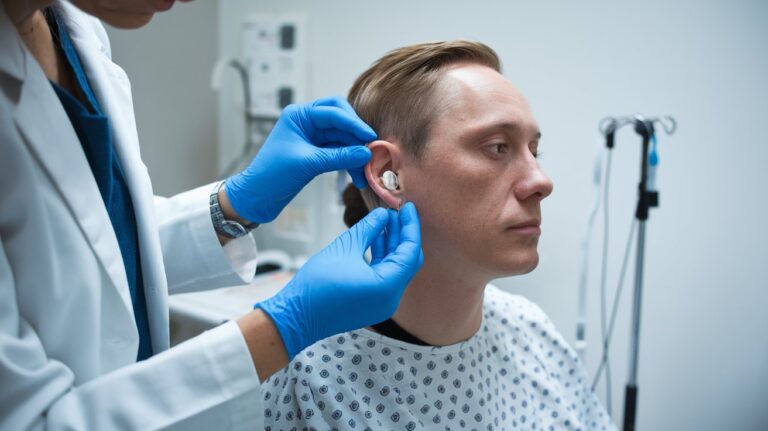
Head Shake Test: Complete Guide to Vestibular Assessment 2025
The head shake test is a critical vestibular examination technique used to diagnose inner ear disorders and assess balance function. This neurological assessment involves rapid horizontal head movements to detect abnormal eye movements called nystagmus, helping healthcare providers identify vestibular dysfunction and differentiate between central and peripheral causes of dizziness and vertigo.
What is the Head Shake Test
The head shake test is a simple yet effective clinical examination used to evaluate vestibular function by observing eye movements after rapid head oscillations. During this test, the patient’s head is moved horizontally from side to side at approximately 2-3 Hz frequency for 10-15 seconds while their eyes remain closed. After the head shaking stops, the examiner observes for the presence of nystagmus, which indicates potential vestibular asymmetry or dysfunction.
This diagnostic technique was first described in the 1980s and has become a standard component of vestibular assessment protocols. The test relies on the principle that normal vestibular systems should maintain balance without producing sustained eye movements after head motion ceases. When vestibular organs are damaged or imbalanced, characteristic nystagmus patterns emerge that help clinicians identify the affected side and severity of the condition.
Head Shake Test Procedure and Technique
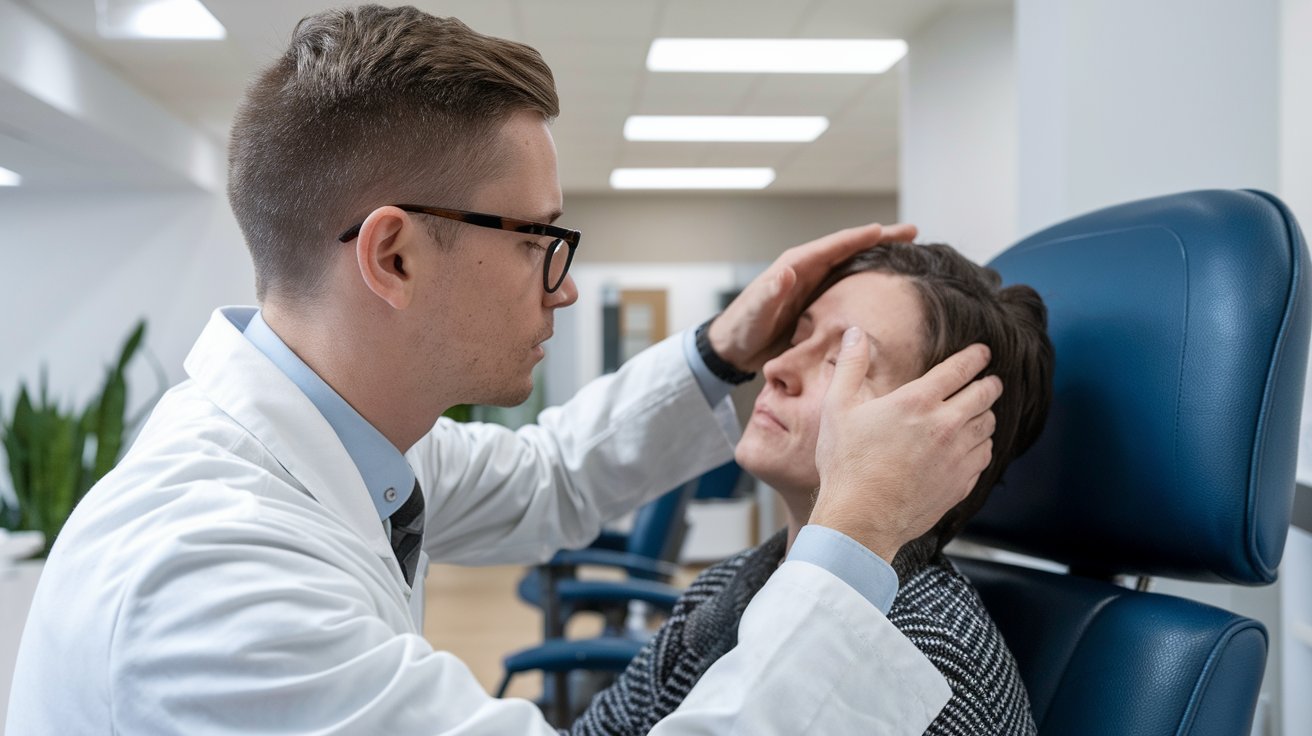
Proper execution of the head shake test requires specific positioning and technique to ensure accurate results. The patient sits upright with their head in a neutral position, and the examiner grasps the patient’s head firmly on both sides. The head is then rotated horizontally through approximately 30-40 degrees in each direction at a frequency of 2-3 Hz for 10-20 seconds. Throughout the shaking phase, the patient must keep their eyes closed to prevent visual fixation from suppressing nystagmus.
Immediately after the shaking stops, the patient opens their eyes, and the examiner observes for nystagmus using direct visualization or video recording equipment. The observation period should last at least 30 seconds, as head shake-induced nystagmus may have a delayed onset or prolonged duration. Modern vestibular laboratories often use infrared video goggles to record and analyze eye movements with greater precision than visual observation alone.
Patient Positioning Requirements
Optimal head shake test results require proper patient positioning to minimize artifacts and ensure consistent technique. Patients should be seated comfortably in an upright position with their feet flat on the floor and hands resting on their lap. The head should be positioned in the anatomical neutral position, avoiding flexion or extension that could influence the results. Some practitioners prefer to perform the test with the patient’s head tilted slightly forward (approximately 30 degrees) to align the horizontal semicircular canals with the plane of head movement.
Frequency and Duration Standards
The standard protocol for head shake test execution involves oscillating the head at 2-3 Hz frequency for 10-20 seconds, though some variations exist in clinical practice. Research from 2024 indicates that frequencies between 2-4 Hz produce the most reliable results, with 3 Hz being optimal for detecting subtle vestibular asymmetries. The shaking duration should be sufficient to adequately stimulate the vestibular system without causing excessive patient discomfort or fatigue, typically ranging from 10-20 seconds based on patient tolerance and clinical indication.
Head Shake Test Interpretation and Results
Interpreting head shake test results requires understanding normal and abnormal nystagmus patterns that may appear after head movement ceases. A normal result shows no sustained nystagmus or only brief, low-amplitude eye movements that resolve within 5-10 seconds. Positive results demonstrate persistent horizontal nystagmus lasting more than 10 seconds, often indicating unilateral vestibular hypofunction or asymmetry between the left and right vestibular organs.
The direction of head shake nystagmus typically beats toward the stronger vestibular system, helping clinicians identify which side is affected. For example, if nystagmus beats to the right after head shaking, this suggests left-sided vestibular weakness or right-sided hyperfunction. The intensity and duration of nystagmus correlate with the degree of vestibular asymmetry, with more pronounced and prolonged responses indicating greater dysfunction.
Normal vs Abnormal Findings
Normal head shake test findings include absence of sustained nystagmus or only brief, symmetric eye movements that resolve quickly. Abnormal results show persistent horizontal nystagmus beating consistently in one direction for more than 10-15 seconds. The positive test may also reveal vertical or rotatory components, though horizontal nystagmus is most common. Additional abnormal findings include nystagmus that changes direction during observation or shows unusual patterns inconsistent with peripheral vestibular dysfunction.
Clinical Significance of Results
The clinical significance of head shake test results extends beyond simple positive or negative interpretation. Studies from 2024 show that the test has approximately 70-85% sensitivity for detecting unilateral vestibular hypofunction when compared to comprehensive vestibular testing. Head shake test positive results strongly correlate with caloric testing abnormalities and provide valuable information for treatment planning and prognosis assessment in patients with vestibular disorders.
Conditions Diagnosed with Head Shake Test
The head shake test helps diagnose various vestibular disorders and inner ear conditions that affect balance and spatial orientation. Primary conditions detected include unilateral vestibular hypofunction, vestibular neuritis, labyrinthitis, and Ménière’s disease during compensated phases. The test is particularly valuable for identifying subtle vestibular asymmetries that may not be apparent during routine physical examination but become evident under dynamic stimulation.
Recent clinical data from 2024 indicates that head shake test abnormalities are found in approximately 65% of patients with acute unilateral vestibular loss and 40% of patients with chronic vestibular dysfunction. The test also helps differentiate between central and peripheral causes of vertigo, as central lesions typically produce different nystagmus patterns compared to peripheral vestibular disorders.
Vestibular Neuritis and Labyrinthitis
Vestibular neuritis and labyrinthitis commonly produce positive head shake test results due to acute unilateral vestibular dysfunction. During the acute phase, patients typically show strong nystagmus beating away from the affected ear. As compensation occurs over weeks to months, the head shake test may remain positive even when spontaneous nystagmus resolves, making it useful for monitoring recovery and identifying incomplete compensation.
Ménière’s Disease Assessment
In Ménière’s disease, the head shake test provides valuable diagnostic information between acute episodes when other signs may be absent. Patients often demonstrate positive results even during asymptomatic periods, reflecting underlying vestibular asymmetry. The test helps monitor disease progression and treatment effectiveness, particularly following intratympanic treatments or surgical interventions that affect vestibular function.
Head Shake Test vs Head Thrust Test
The head shake test and head thrust test serve different purposes in vestibular assessment despite both involving head movement. The head shake test vs head thrust comparison reveals distinct methodologies and diagnostic applications. While the head shake test uses prolonged oscillatory movements to detect nystagmus after motion stops, the head thrust test involves rapid, brief head movements to assess the vestibulo-ocular reflex during motion.
The head thrust test, also known as the head impulse test, evaluates high-frequency vestibular function by observing eye movements during rapid head turns. This test detects corrective saccades that occur when the vestibulo-ocular reflex fails to maintain gaze stability. In contrast, the head shake test assesses vestibular asymmetry through post-rotatory nystagmus patterns, making it complementary rather than competing with the head thrust test in comprehensive vestibular evaluation.
Methodological Differences
Key methodological differences between the head shake test and head thrust test include movement characteristics, observation timing, and diagnostic targets. The head shake involves sustained rhythmic oscillations followed by observation of post-movement nystagmus, while the head thrust test uses brief, unpredictable movements with simultaneous eye movement observation. These differences make each test sensitive to different aspects of vestibular dysfunction and valuable for comprehensive assessment protocols.
Complementary Diagnostic Value
Using both head shake test and head thrust test together provides comprehensive vestibular assessment covering different frequency ranges and functional aspects. The head shake test detects low to moderate frequency vestibular asymmetries, while the head thrust test evaluates high-frequency responses. This combination improves diagnostic accuracy and helps characterize the full spectrum of vestibular dysfunction in patients with balance disorders.
HINTS Test Integration and Clinical Applications
The HINTS test (Head Impulse, Nystagmus, Test of Skew) incorporates head impulse testing as one component of a comprehensive bedside examination for acute vertigo assessment. While the head shake test is not formally part of the standard HINTS protocol, it provides valuable supplementary information for differentiating central from peripheral causes of acute vestibular syndrome.
Integration of head shake test findings with HINTS examination components enhances diagnostic accuracy in emergency department and clinical settings. The combination helps identify patients who may have central causes of vertigo requiring immediate neurological evaluation versus those with peripheral vestibular disorders suitable for outpatient management and vestibular rehabilitation.
Dynamic Visual Acuity and Related Testing
Dynamic visual acuity test complements head shake testing by evaluating functional vestibular performance during head movement. This assessment measures how much visual acuity decreases during head oscillation compared to static conditions, providing insight into vestibulo-ocular reflex function. Patients with positive head shake test results often demonstrate reduced dynamic visual acuity, indicating functional impairment beyond what static testing reveals.
The relationship between head shake test abnormalities and dynamic visual acuity deficits helps predict functional limitations and guide rehabilitation strategies. Recent studies from 2024 show strong correlations between head shake nystagmus intensity and dynamic visual acuity impairment, making both tests valuable for comprehensive vestibular assessment and treatment planning.
Treatment Implications and Follow-up
Head shake test results significantly influence treatment decisions and rehabilitation planning for patients with vestibular disorders. Positive results indicate the need for vestibular rehabilitation exercises focusing on gaze stability and balance retraining. The persistence of abnormal head shake nystagmus suggests incomplete vestibular compensation, requiring targeted therapeutic interventions to improve functional outcomes.
Follow-up testing using the head shake test helps monitor treatment progress and guide modifications to rehabilitation protocols. Patients showing improvement in test results typically demonstrate better functional recovery and reduced symptoms. The test serves as an objective marker for treatment effectiveness, complementing subjective symptom reports and functional assessments in comprehensive vestibular rehabilitation programs.
Related video about head shake test
This video complements the article information with a practical visual demonstration.
Essential Q&A about head shake test
What does a positive head shake test indicate?
A positive head shake test indicates vestibular asymmetry or dysfunction, typically showing sustained horizontal nystagmus lasting more than 10 seconds after head shaking stops. This suggests unilateral vestibular hypofunction, with nystagmus beating toward the stronger vestibular system. The test helps identify conditions like vestibular neuritis, labyrinthitis, or Ménière’s disease.
How long should nystagmus last in a normal head shake test?
In a normal head shake test, any nystagmus should be brief and resolve within 5-10 seconds. Sustained nystagmus lasting more than 10-15 seconds is considered abnormal and suggests vestibular dysfunction. The duration and intensity of nystagmus correlate with the degree of vestibular asymmetry present.
What is the difference between head shake test and head impulse test?
The head shake test uses prolonged oscillatory movements (2-3 Hz for 10-20 seconds) followed by observation of post-movement nystagmus, while the head impulse test involves brief, rapid head turns with simultaneous eye movement observation. The head shake test detects vestibular asymmetry, while the head impulse test evaluates vestibulo-ocular reflex function during high-frequency movements.
Can medications affect head shake test results?
Yes, certain medications can influence head shake test results. Vestibular suppressants like benzodiazepines, antihistamines, and some anti-nausea medications can reduce or mask nystagmus responses. Alcohol and some neurological medications may also affect results. Patients should inform healthcare providers about all medications before testing for accurate interpretation.
How accurate is the head shake test for diagnosing vestibular disorders?
The head shake test has approximately 70-85% sensitivity for detecting unilateral vestibular hypofunction when compared to comprehensive vestibular testing. While not diagnostic alone, it provides valuable screening information and correlates well with caloric testing results. The test is most effective when combined with other vestibular assessments for comprehensive evaluation.
Who should not undergo head shake testing?
Patients with cervical spine instability, recent neck injuries, severe cervical arthritis, or vertebrobasilar insufficiency should avoid head shake testing. Those with acute migraine, severe nausea, or recent head trauma may also need modified testing approaches. Healthcare providers should assess individual patient safety before performing the test.
| Test Aspect | Key Details | Clinical Benefit |
|---|---|---|
| Procedure | 2-3 Hz head oscillation for 10-20 seconds | Simple bedside screening test |
| Sensitivity | 70-85% for unilateral vestibular hypofunction | Reliable screening tool |
| Normal Result | No sustained nystagmus >10 seconds | Rules out significant asymmetry |
| Positive Result | Persistent horizontal nystagmus | Indicates vestibular dysfunction |