BTE Rechargeable Hearing Aid: Complete 2025 Guide & Reviews
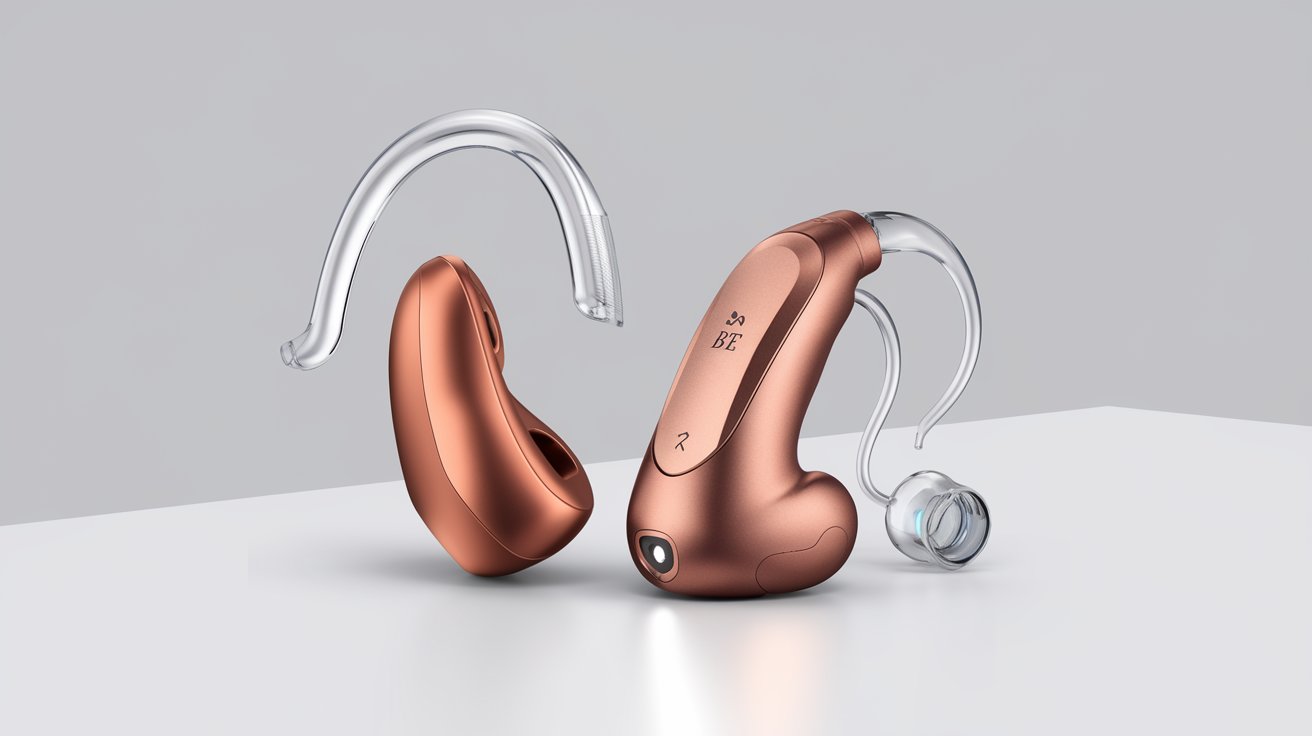
A BTE rechargeable hearing aid represents the modern evolution of behind-the-ear hearing solutions, combining traditional effectiveness with convenient battery technology. These devices offer superior amplification for moderate to severe hearing loss while eliminating the need for frequent battery replacements, making them increasingly popular among American users seeking reliable, long-term hearing assistance.
What Are BTE Rechargeable Hearing Aids
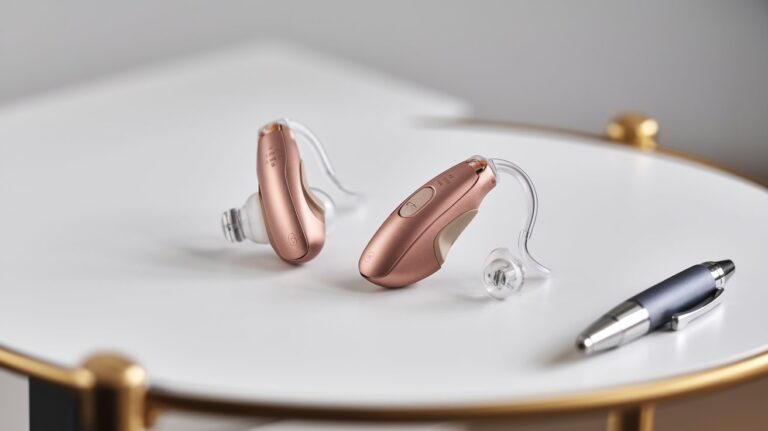
BTE hearing aids are devices that sit behind the ear and connect to an earmold or dome in the ear canal through a thin tube or wire. The rechargeable version incorporates lithium-ion batteries that can be charged overnight, providing 12-24 hours of continuous use. This technology eliminates the need for disposable batteries, which typically cost American consumers $50-100 annually per hearing aid.
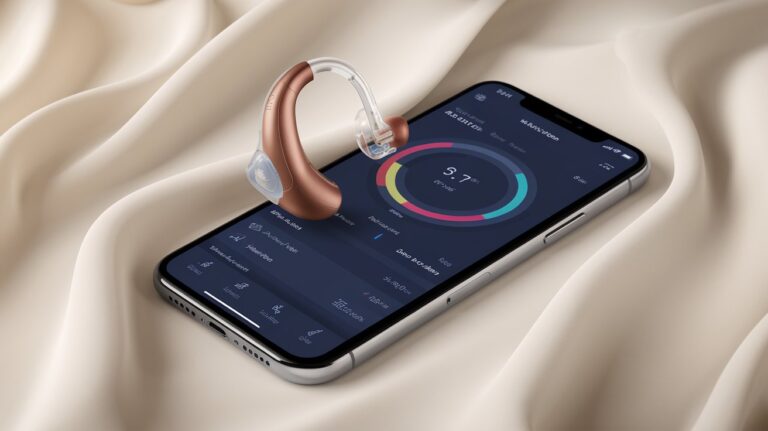
The main components include a microphone, amplifier, speaker, and rechargeable battery housed in a durable plastic case. Modern rechargeable hearing aids feature wireless connectivity, allowing users to stream audio directly from smartphones, tablets, and televisions. The charging stations typically use USB-C connections and can fully charge devices in 3-4 hours.
Advantages and Disadvantages of BTE Hearing Aids
BTE hearing aid technology offers numerous benefits including powerful amplification suitable for all degrees of hearing loss, longer battery life, and easier handling for users with dexterity issues. The larger size accommodates advanced features like directional microphones, noise reduction, and wireless connectivity without compromising performance.
However, disadvantages include increased visibility compared to in-ear models, potential wind noise interference during outdoor activities, and possible discomfort when wearing glasses or masks. Some users report that the disadvantage of BTE hearing aid devices includes occasional feedback issues and the need to remove them during certain physical activities.
Top BTE Rechargeable Hearing Aid Brands in 2025
Leading manufacturers have revolutionized the rechargeable hearing aid market with innovative technologies. Phonak leads with their Paradise and Lumity series, offering 16-24 hour battery life and universal Bluetooth connectivity. ReSound’s ONE series provides 30-hour battery life with their portable charging case, while Oticon’s Real series features advanced neural network processing.
Signia’s Styletto series combines sleek design with powerful performance, and Widex’s Moment series offers the fastest charging technology, reaching 80% capacity in 30 minutes. EarCentric EasyCharge Rechargeable Hearing Aids have gained popularity as an affordable option, though professional fitting and follow-up care remain essential for optimal results.
Premium Brand Comparison
Which brand of rechargeable hearing aid is best depends on individual needs and budget. Phonak dominates the premium segment with prices ranging from $2,000-4,000 per device, offering superior sound quality and durability. ReSound and Oticon follow closely with comparable pricing and features, while Signia and Widex provide competitive alternatives with unique technological advantages.
Budget-Friendly Options
Affordable BTE hearing aid options include brands like Audicus, Eargo, and EarCentric, with prices ranging from $500-1,500 per device. These brands offer essential features like noise reduction and rechargeable batteries, though they may lack advanced connectivity options found in premium models. Many provide online hearing tests and remote fitting services to reduce costs.
EarCentric EasyCharge Rechargeable Hearing Aid Reviews
EarCentric hearing aid review data shows mixed customer experiences with their budget-friendly devices. Positive reviews highlight the affordable pricing ($399-799 per pair), easy charging system, and adequate amplification for mild to moderate hearing loss. Users appreciate the 12-hour battery life and simple operation without complex programming requirements.
However, EarCentric EasyCharge Rechargeable hearing aid reviews also reveal limitations including limited customization options, occasional feedback issues, and lower build quality compared to premium brands. Some users report difficulties with the fitting process and limited customer support availability, particularly for troubleshooting technical issues.
EarCentric Customer Support and Troubleshooting
Earcentric hearing aids troubleshooting typically involves common issues like charging problems, feedback whistling, or volume adjustments. The company provides online support resources and a customer service hotline, though response times may vary. Users should consult the EarCentric hearing aids manual for basic troubleshooting steps before contacting support.
EarCentric Performance Analysis
Independent testing shows that EarCentric EasyCharge Rechargeable Hearing Aids provide adequate amplification for mild to moderate hearing loss but may struggle with severe cases. The devices offer basic noise reduction and feedback cancellation, though advanced features like directional microphones and smartphone connectivity are limited compared to premium alternatives.
BTE Hearing Aid Price Analysis 2025
BTE hearing aid price varies significantly based on technology level and brand reputation. Entry-level models start around $500-800 per device, mid-range options cost $1,200-2,500, while premium devices reach $3,000-5,000 per unit. Insurance coverage through Medicare Advantage plans or private insurance can reduce out-of-pocket costs by 50-80%.
Financing options include manufacturer payment plans, healthcare credit cards, and employer benefits programs. Many audiologists offer package deals including professional services, warranties, and maintenance for 2-3 years. The total cost of ownership should include professional fitting ($100-300), annual maintenance ($50-150), and potential repairs not covered by warranty.
Battery Life and Charging Technology
Life expectancy of rechargeable hearing aid batteries typically ranges from 4-6 years with proper care and charging habits. Lithium-ion batteries maintain 80% capacity after 500-1000 charge cycles, equivalent to 2-3 years of daily use. Modern charging stations feature protective circuits to prevent overcharging and extend battery lifespan.
Daily usage patterns significantly impact battery performance. Streaming audio, using advanced features, and environmental factors like temperature can reduce operating time. Most rechargeable hearing aids provide 12-16 hours of normal use, with premium models offering up to 24-30 hours including streaming capabilities.
Charging Best Practices
Optimal charging involves placing devices in the charging station every night, even if not completely depleted. Avoiding extreme temperatures, keeping charging contacts clean, and using only manufacturer-approved chargers helps maximize rechargeable hearing aid lifespan. Many users benefit from backup charging cases for travel or emergency situations.
Battery Replacement and Maintenance
When rechargeable hearing aid batteries reach end-of-life, professional replacement typically costs $200-400 per device. Some manufacturers offer battery replacement programs or trade-in discounts for newer models. Regular cleaning and proper storage during non-use periods help maintain optimal performance throughout the device lifecycle.
Who Makes the Best BTE Hearing Aid
Who makes the best BTE hearing aid depends on specific user requirements, budget constraints, and hearing loss severity. Phonak consistently ranks highest for overall performance, durability, and customer satisfaction in professional audiology surveys. Their Audéo Paradise and Lumity series offer exceptional sound quality and advanced connectivity features.
ReSound excels in smartphone integration and personalized sound processing, while Oticon leads in brain-hearing research and natural sound reproduction. Signia offers innovative designs and fast charging, and Widex provides superior music quality and minimal processing delay. Each manufacturer targets different user preferences and hearing loss profiles.
Professional Fitting and Adjustment Process
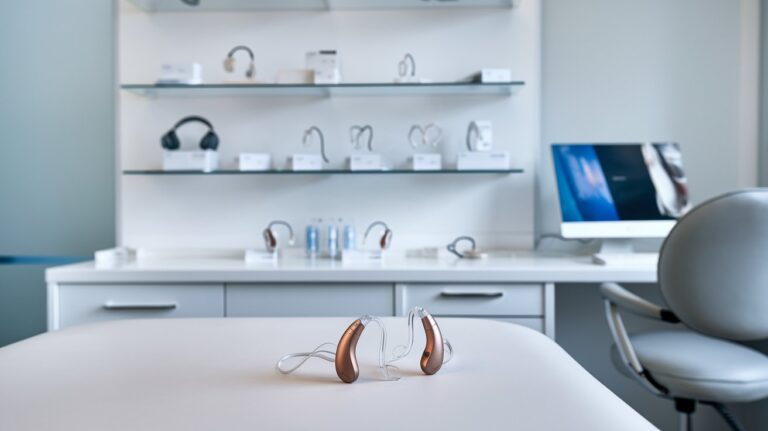
Successful BTE hearing aid outcomes require professional audiological services including comprehensive hearing testing, device programming, and ongoing adjustments. Licensed audiologists use Real Ear Measurement technology to verify proper amplification levels and ensure comfort. The initial fitting process typically requires 2-3 appointments over 30-60 days for optimal results.
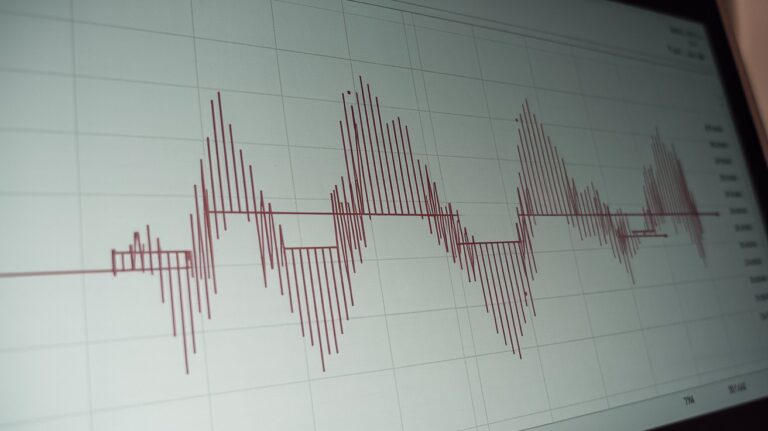
Modern fitting software allows precise customization based on individual hearing loss patterns, lifestyle preferences, and environmental needs. Remote programming capabilities enable adjustments without office visits, though periodic professional evaluations remain essential for maintaining optimal performance and addressing changing hearing needs.
Related video about bte rechargeable hearing aid
This video complements the article information with a practical visual demonstration.
Questions & Answers
What is the disadvantage of a BTE hearing aid?
The main disadvantages include increased visibility compared to in-ear models, potential wind noise during outdoor activities, and possible discomfort when wearing glasses or masks. Some users experience occasional feedback issues and find them less convenient for sports or physical activities requiring frequent removal.
Which brand of rechargeable hearing aid is best?
Phonak consistently ranks as the top brand for overall performance, offering 16-24 hour battery life and universal connectivity. ReSound and Oticon follow closely with advanced features and comparable quality. The best choice depends on your specific hearing loss, lifestyle needs, and budget considerations.
What is the life expectancy of a rechargeable hearing aid?
Rechargeable hearing aid batteries typically last 4-6 years with proper care. The devices themselves can function for 5-7 years or longer with regular maintenance and professional adjustments. Battery replacement services are available for $200-400 per device when needed.
Who makes the best BTE hearing aid?
Phonak leads the market with their Paradise and Lumity series, offering superior sound quality and durability. ReSound excels in smartphone integration, while Oticon provides advanced brain-hearing technology. Signia and Widex offer competitive alternatives with unique features like fast charging and superior music quality.
Are BTE rechargeable hearing aids covered by insurance?
Many insurance plans, including Medicare Advantage and private health insurance, provide partial coverage for hearing aids. Coverage typically ranges from 50-80% of costs, with annual or lifetime benefit limits. Veterans Affairs and some state programs offer additional coverage options for eligible individuals.
How long does it take to charge BTE rechargeable hearing aids?
Most BTE rechargeable hearing aids fully charge in 3-4 hours using standard charging stations. Quick charge options provide several hours of use with 30-60 minutes of charging. Portable charging cases can provide multiple full charges when traveling away from power sources.
| Key Aspect | Important Details | Benefit |
|---|---|---|
| Battery Life | 12-24 hours daily use, 4-6 year lifespan | No disposable battery costs, reliable power |
| Price Range | $500-5,000 per device in 2025 | Options for all budgets, insurance coverage available |
| Top Brands | Phonak, ReSound, Oticon, Signia, Widex | Proven quality, advanced features, professional support |
| Charging Time | 3-4 hours full charge, 30-60 minutes quick charge | Convenient overnight charging, emergency options |
| Professional Fitting | 2-3 appointments, ongoing adjustments required | Optimal performance, personalized settings, support |