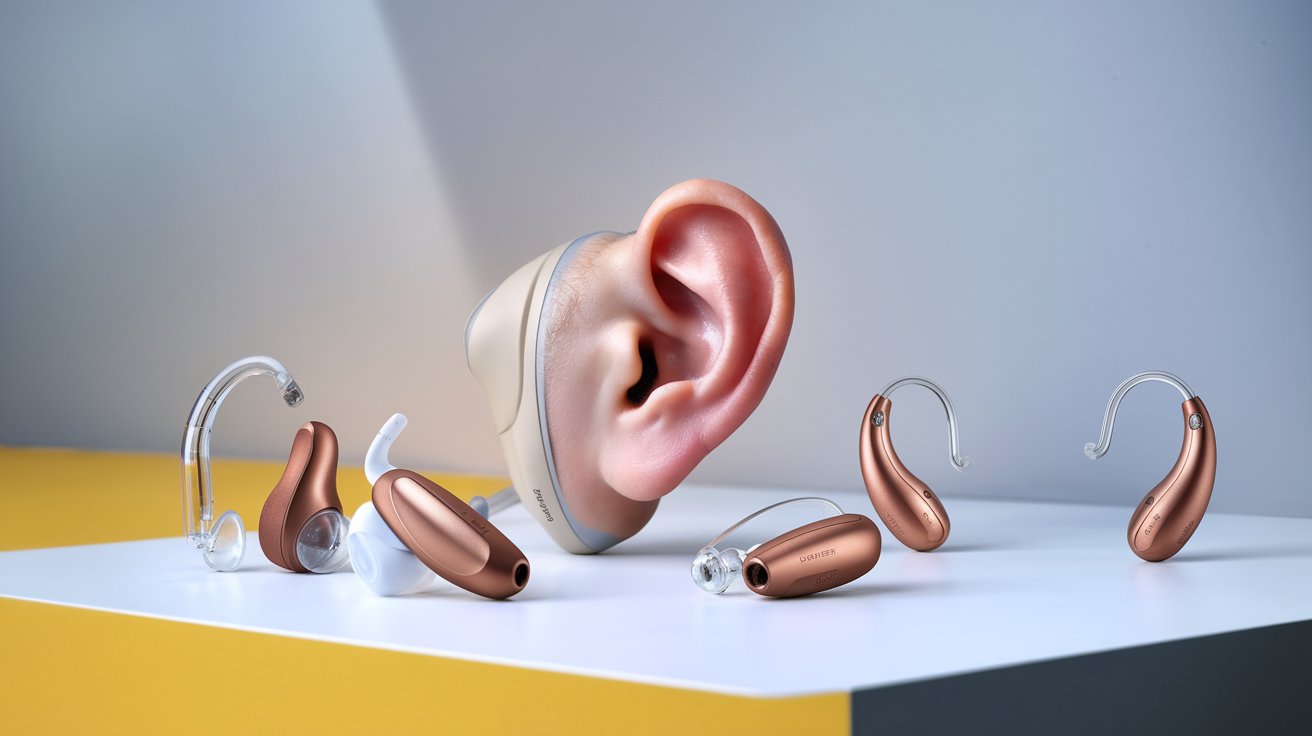
Hearing Aid Types Pictures: Complete Visual Guide 2025
Understanding hearing aid types pictures helps millions of Americans choose the right device for their hearing loss. With over 48 million people experiencing hearing difficulties in the United States, selecting from the six main hearing aid styles can feel overwhelming. This comprehensive visual guide breaks down each hearing aid type with detailed descriptions, costs, and benefits to help you make an informed decision for better hearing health.
Main Hearing Aid Types and Styles
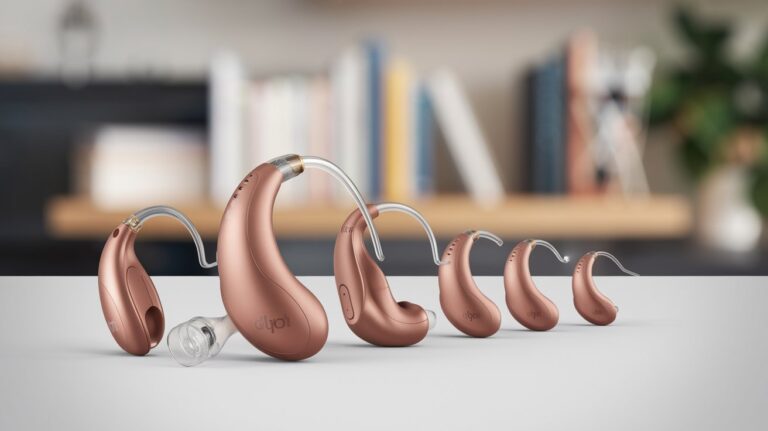
The hearing aid types available in 2025 fall into six primary categories, each designed for different levels of hearing loss and lifestyle needs. Behind-the-ear (BTE) models remain the most popular choice among seniors, representing 65% of all hearing aid sales in the United States. In-the-ear (ITE) styles offer discretion but may not suit all hearing loss types. Understanding these fundamental differences through hearing aid types pictures helps clarify which style aligns with your specific requirements and daily activities.
Modern hearing aids incorporate advanced digital technology regardless of style, offering features like Bluetooth connectivity, noise reduction, and smartphone app control. The hearing aid types and costs vary significantly, ranging from $1,200 to $6,000 per device in 2025. Insurance coverage through Medicare Advantage plans has expanded to include hearing aids in many states, making these essential devices more accessible to American consumers seeking better hearing solutions.
Behind-the-Ear (BTE) Hearing Aids
BTE hearing aids sit behind the ear with a clear tube connecting to an ear mold or dome inside the ear canal. This style accommodates severe to profound hearing loss better than other types, making it the preferred choice for 40% of hearing aid users. The larger size allows for more powerful amplification and longer battery life, typically lasting 10-14 days with regular use. BTE models also offer the most features and customization options available in today’s market.
In-the-Ear (ITE) Hearing Aid Styles
ITE hearing aids fit entirely within the outer ear bowl, offering a compromise between visibility and functionality. These custom-made devices suit mild to moderate hearing loss and appeal to users who want less visible hearing assistance. ITE styles include full shell, half shell, and in-the-canal variations, with prices ranging from $1,800 to $4,500 per device. The compact design limits battery life to 5-7 days but provides natural sound quality due to ear canal placement.
Receiver-in-Canal (RIC) Technology
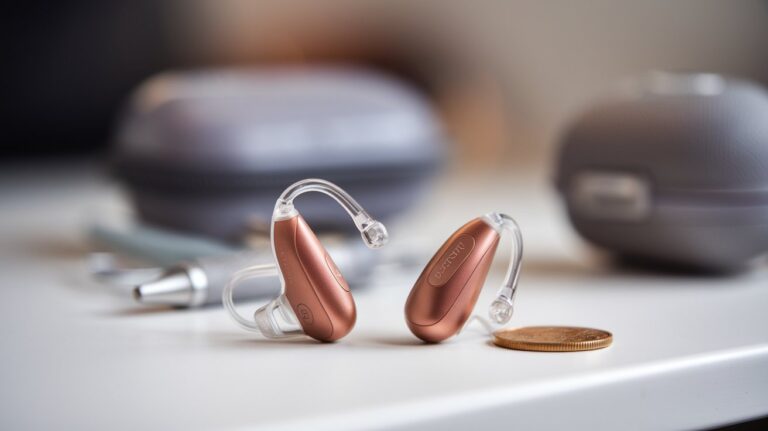
RIC hearing aids represent the fastest-growing segment in the hearing aid market, accounting for 45% of new sales in 2024. This innovative design places the receiver (speaker) inside the ear canal while keeping the main components behind the ear. The separation reduces feedback and provides clearer sound quality compared to traditional BTE models. RIC devices work exceptionally well for high-frequency hearing loss, which affects 60% of adults over age 65 in the United States.
The RIC hearing aid design offers superior comfort and natural sound perception because the receiver sits closer to the eardrum. These devices typically cost between $2,000 and $5,500 per unit, with premium models featuring artificial intelligence and automatic environment adjustment. The slim profile makes RIC aids nearly invisible when worn, addressing cosmetic concerns while delivering powerful amplification for moderate to severe hearing loss.
Bone Conduction Hearing Solutions
Bone conduction hearing aids bypass the outer and middle ear entirely, transmitting sound vibrations directly through the skull bone to the inner ear. This specialized technology serves individuals with conductive hearing loss, single-sided deafness, or ear canal abnormalities that prevent traditional hearing aid use. The FDA approved several new bone conduction devices in 2024, expanding treatment options for the 200,000 Americans who could benefit from this technology.
Modern bone conduction hearing aid systems include both surgical and non-surgical options, with costs ranging from $3,000 to $12,000 depending on the complexity. Non-surgical bone conduction aids use a soft headband or adhesive processor, while surgical options involve titanium implants for permanent attachment. Success rates exceed 90% for appropriate candidates, making bone conduction a viable alternative when conventional hearing aids cannot provide adequate benefit.
Choosing the Best Hearing Aid for Seniors
Determining which brand of hearing aid is best for seniors depends on individual hearing loss patterns, lifestyle requirements, and manual dexterity. Phonak, ReSound, and Widex consistently rank among the top manufacturers, with each offering senior-friendly features like large volume controls, easy battery insertion, and simplified programming. Consumer Reports 2024 surveys show that 78% of seniors prioritize ease of use over advanced features when selecting hearing aids.
The question of which is better, in ear or behind ear hearing aid for seniors often comes down to handling ability and hearing loss severity. Behind-the-ear models typically prove easier for seniors with arthritis or vision challenges to manage, while in-the-ear styles may suit those concerned about appearance. Audiologists recommend BTE or RIC styles for 85% of senior patients due to their superior performance with age-related hearing loss patterns.
Comfort and Fit Considerations
The most comfortable hearing aid style varies by individual ear anatomy and personal preferences, but RIC models receive the highest comfort ratings from users in 2024 studies. The lightweight design and open-fit capability reduce the plugged-up sensation common with other styles. Custom ear molds improve comfort for all styles but add $200-400 to the total cost. Proper fitting by a licensed audiologist ensures optimal comfort and performance regardless of the chosen style.
Advanced Features for Active Lifestyles
Active seniors benefit from hearing aid features like water resistance, wind noise reduction, and automatic program switching for different environments. Premium models offer smartphone connectivity, allowing remote volume adjustment and program changes without touching the device. GPS tracking prevents loss, while fall detection alerts emergency contacts if needed. These advanced features typically add $1,000-2,000 to the base price but significantly enhance user experience and safety.
Hearing Aid Costs and Insurance Coverage
Understanding hearing aid types and costs helps budget for this important health investment. Basic models start around $1,200 per device, while premium aids with advanced features cost up to $6,000 each. Most audiologists recommend purchasing pairs for optimal hearing balance, bringing total costs to $2,400-12,000. However, the average American spends $4,500 for a pair of mid-range hearing aids with essential features and professional fitting services.
Insurance coverage has improved significantly in 2024, with Medicare Advantage plans now covering hearing aids in 42 states. Private insurance varies widely, but the Hearing Aid Coverage Act requires coverage for children in all states. Veterans Affairs provides comprehensive hearing aid benefits, serving over 850,000 veterans annually. Financing options and payment plans make hearing aids more accessible, with 0% interest programs available through many providers.
Professional Fitting and Adjustment Process
Proper hearing aid fitting requires multiple appointments with a licensed audiologist or hearing instrument specialist. The initial fitting involves programming the device based on your audiogram, ensuring comfortable insertion, and teaching proper use and maintenance. Follow-up visits within the first month allow for fine-tuning adjustments based on real-world experience. Most providers include 60-90 days of adjustments in the purchase price, with additional visits costing $75-150 each.
The fitting process also includes education on hearing aid types maintenance, battery replacement, and troubleshooting common issues. Professional fitting significantly impacts satisfaction rates, with properly fitted devices showing 92% user satisfaction compared to 65% for self-fitted alternatives. Regular maintenance appointments every six months help ensure optimal performance and extend device lifespan to the expected 5-7 years for most hearing aid styles.
Maintenance and Care Requirements
Different hearing aid types require specific maintenance routines to ensure longevity and optimal performance. BTE models need regular cleaning of the ear mold and tubing replacement every 3-6 months. ITE aids require daily wax removal and moisture protection, while RIC devices need receiver changes annually. Proper maintenance can extend hearing aid life from the average 4 years to 6-7 years, representing significant cost savings over time.
Daily care includes removing moisture, cleaning with provided tools, and storing in a dry container overnight. Professional cleaning every 3-6 months removes deep wax buildup and ensures all components function properly. Hearing aid insurance plans covering repairs and replacements cost $200-400 annually but provide peace of mind against costly damage or loss. Regular maintenance also maintains warranty coverage, which typically extends 2-3 years from the purchase date.
Related video about hearing aid types pictures
This video complements the article information with a practical visual demonstration.
Most asked questions about hearing aid types pictures
Which brand of hearing aid is best for seniors?
Phonak, ReSound, and Widex consistently rank highest for seniors in 2024 studies. These brands offer large controls, easy battery insertion, and simplified programming. The best choice depends on specific hearing loss patterns and lifestyle needs, with 78% of seniors prioritizing ease of use over advanced features according to Consumer Reports surveys.
Which is better, in ear or behind ear hearing aid?
Behind-the-ear (BTE) and receiver-in-canal (RIC) styles typically perform better for most users, especially seniors. BTE models accommodate severe hearing loss and offer easier handling, while RIC provides natural sound quality. In-the-ear styles suit mild to moderate loss but can be harder to handle for those with dexterity challenges.
What are the 6 types of hearing aids available?
The six main hearing aid types are: Behind-the-Ear (BTE), Receiver-in-Canal (RIC), In-the-Ear (ITE), In-the-Canal (ITC), Completely-in-Canal (CIC), and Bone Conduction devices. Each style serves different hearing loss levels and lifestyle preferences, with costs ranging from $1,200 to $6,000 per device in 2025.
What is the most comfortable hearing aid style?
Receiver-in-Canal (RIC) hearing aids receive the highest comfort ratings in 2024 studies due to their lightweight design and open-fit capability. The separated receiver reduces the plugged sensation while providing natural sound quality. However, comfort varies by individual ear anatomy and personal preferences.
How much do different hearing aid types cost?
Hearing aid costs in 2025 range from $1,200 for basic models to $6,000 for premium devices. Most Americans spend $4,500 for a pair of mid-range hearing aids. BTE models typically cost less than custom ITE styles, while advanced features like Bluetooth and smartphone connectivity add $1,000-2,000 to the base price.
Do I need one or two hearing aids?
Most audiologists recommend two hearing aids for balanced hearing, as 85% of people with hearing loss have bilateral (both ears) impairment. Binaural fitting improves sound localization, speech understanding in noise, and overall listening comfort. Single-sided fitting is only recommended for unilateral hearing loss or specific medical conditions.
| Hearing Aid Type | Best For | Price Range | Key Benefit |
|---|---|---|---|
| BTE (Behind-the-Ear) | Severe hearing loss, seniors | $1,400-$4,000 | Most powerful, easy handling |
| RIC (Receiver-in-Canal) | Mild to severe loss, active users | $2,000-$5,500 | Natural sound, comfortable |
| ITE (In-the-Ear) | Mild to moderate loss | $1,800-$4,500 | Discreet, custom fit |
| Bone Conduction | Conductive loss, ear abnormalities | $3,000-$12,000 | Bypasses damaged ear parts |