Children’s Hearing Aids: Complete 2024 Guide for Parents
Choosing the right children’s hearing aids can transform your child’s communication abilities and overall development. With over 3 million children in the United States experiencing hearing loss, modern pediatric hearing aids offer advanced technology specifically designed for young users. This comprehensive guide covers everything from the youngest age for hearing aids to the best brands and fitting processes for 2024.
How Pediatric Hearing Aids Work for Children
Modern pediatric hearing aids utilize sophisticated digital signal processing to amplify and clarify sounds specifically for developing ears. Unlike adult devices, children’s hearing aids feature enhanced durability, tamper-resistant battery doors, and LED indicators for parents to monitor functionality. The technology captures sound waves through microphones, processes them through advanced algorithms, and delivers amplified sound directly to the child’s ear canal through custom-fitted earmolds.
The latest hearing aids for kids in 2024 include features like directional microphones that focus on speech from teachers, noise reduction algorithms that minimize background distractions, and wireless connectivity for streaming educational content. These devices automatically adjust to different acoustic environments, ensuring optimal hearing in classrooms, playgrounds, and home settings throughout your child’s daily activities.
Technology Differences for Younger vs Older Kids
Hearing aids for toddlers and preschoolers prioritize safety features like tamper-resistant battery compartments and retention systems to prevent loss during active play. These devices often include bright colors and fun designs to encourage consistent wear. For school-age children, the focus shifts to educational support features like FM compatibility and smartphone connectivity for remote monitoring by parents and audiologists.
Youngest Age for Children’s Hearing Aids
The youngest age to get a hearing aid is typically around 4-6 weeks old, with some infants receiving devices as early as 3 weeks after birth. Early intervention within the first 6 months is crucial for speech and language development. Newborn hearing screening programs in all 50 US states help identify hearing loss early, allowing for prompt fitting of appropriate amplification devices.
Best Hearing Aid Types and Brands for Children
The best hearing aid for child applications typically includes behind-the-ear (BTE) models due to their durability, easy handling, and ability to accommodate growing ear canals. Leading brands for pediatric hearing aids in 2024 include Phonak, Oticon, and ReSound, each offering specialized children’s lines with advanced features. These manufacturers provide extended warranties, specialized support programs, and replacement guarantees specifically for active children.
When selecting the best hearing aid brand for children, consider factors like water resistance ratings, drop-test certifications, and availability of colorful, appealing designs. Phonak Sky series, Oticon Play PX, and ReSound UP Smart offer superior sound quality with child-friendly features like LED status indicators and secure earhook systems designed for constant movement and play activities.
Behind-the-Ear Models for Active Children
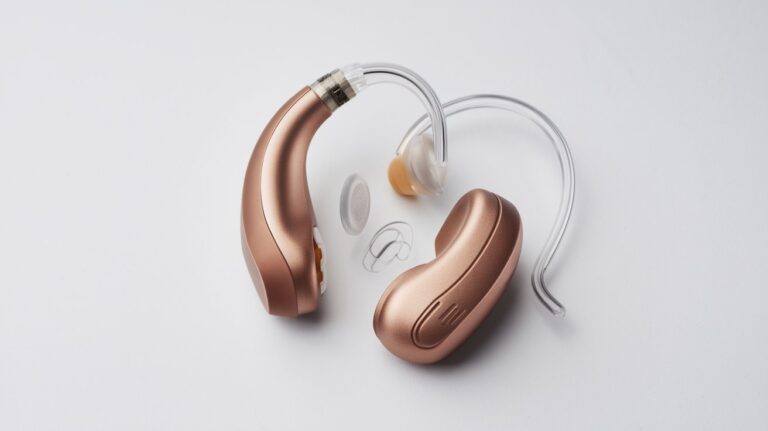
BTE hearing aids remain the gold standard for children’s hearing aids because they house all electronics safely behind the ear, away from moisture and earwax. These devices feature larger batteries for extended wear time and easier manipulation by small fingers. The separation of the receiver from the microphone also reduces feedback issues common in smaller hearing aid styles.
Invisible and Discreet Options for Teens
Older children and teenagers may prefer invisible hearing aid for child options like completely-in-canal (CIC) or invisible-in-canal (IIC) models. However, these require mature handling skills and regular maintenance. Receiver-in-canal (RIC) models offer a good compromise, providing discretion while maintaining the reliability needed for active lifestyles and academic performance.
Pediatric Hearing Aid Cost and Insurance Coverage
The pediatric hearing aid cost ranges from $1,500 to $6,000 per device in 2024, with most children requiring two hearing aids for optimal hearing development. Premium models with advanced features like Bluetooth connectivity and AI-powered sound processing command higher prices but offer superior educational benefits. Many insurance plans now cover children’s hearing aids under essential health benefits mandated by the Affordable Care Act.
Medicaid programs across all 50 states provide comprehensive coverage for hearing aids for kids, including device replacement every 3-5 years as children outgrow their equipment. Private insurance coverage varies significantly, with some plans covering up to 80% of costs while others may have annual or lifetime limits. Early Intervention programs and state vocational rehabilitation services often provide additional funding assistance for qualifying families.
Professional Hearing Aid Fitting Process for Children
The hearing aid fitting for children requires specialized pediatric audiological expertise and typically involves 4-6 appointments over several weeks. The process begins with comprehensive hearing evaluations using age-appropriate testing methods like visual reinforcement audiometry for toddlers or play audiometry for preschoolers. Audiologists must consider the child’s developmental stage, attention span, and cooperation level throughout the fitting process.
Successful fitting requires precise earmold impressions, careful device selection based on lifestyle needs, and extensive parent education for daily maintenance and troubleshooting. Follow-up appointments monitor hearing aid performance, verify appropriate amplification levels, and adjust programming as the child’s hearing needs change with growth and development.
Taking Accurate Ear Impressions for Children
Creating proper ear impressions for children’s hearing aids requires specialized techniques and child-friendly approaches. Pediatric audiologists use faster-setting impression materials and distraction techniques like bubbles or videos to keep young children still during the 3-5 minute process. Deep impressions ensure proper hearing aid retention during active play and sports participation.
Custom Earmold Selection and Replacement
Children require new earmolds every 3-6 months due to rapid ear canal growth, making proper earmold management crucial for consistent hearing aid performance. Soft silicone materials provide comfort for extended wear, while harder materials offer durability for active children. Color choices and fun designs help encourage consistent hearing aid use among reluctant young wearers.
Cochlear Implants vs Hearing Aids for Children
When hearing aids for children provide insufficient benefit for severe to profound hearing losses, cochlear implants become the preferred treatment option. Unlike hearing aids that amplify sound, cochlear implants bypass damaged hair cells and directly stimulate auditory nerve fibers. The FDA has approved cochlear implants for children as young as 9 months old, with optimal results achieved when implanted before age 2.
The decision between hearing aids and cochlear implants depends on factors like degree of hearing loss, speech recognition scores with hearing aids, and family commitment to intensive auditory rehabilitation. Many children with cochlear implants also use hearing aids in the non-implanted ear to maximize binaural hearing benefits and sound localization abilities.
Bone-Anchored Hearing Devices for Special Cases
Children with conductive hearing loss or single-sided deafness may benefit from bone-anchored hearing devices when traditional hearing aids prove ineffective. These devices transmit sound vibrations through the skull bone directly to the inner ear, bypassing damaged or absent outer and middle ear structures. The BAHA (Bone-Anchored Hearing Aid) system can be fitted on a soft headband for infants or surgically implanted for older children.
Modern bone conduction devices like the Cochlear Osia and Oticon Ponto systems offer improved sound quality and cosmetic appeal compared to earlier models. The surgical implantation typically occurs around age 5 when the skull bone has sufficient thickness, though soft headband options allow younger children to experience bone conduction benefits immediately.
Kids Hearing Aid Accessories and Support Tools
Kids hearing aid accessories play a crucial role in maximizing device performance and ensuring consistent use throughout childhood activities. Essential accessories include personal FM systems for classroom use, waterproof covers for swimming and bathing, and retention accessories like hearing aid clips and headbands. Many schools provide classroom audio systems that work directly with modern hearing aids through wireless streaming technology.
Colorful hearing aid stickers, fun-shaped earmolds, and decorative clips help make children’s hearing aids more appealing and reduce stigma among peers. Drying kits, cleaning tools, and spare battery holders ensure proper maintenance and continuous function. Smart phone apps allow parents to monitor hearing aid usage and adjust volume settings remotely for younger children who cannot manage these functions independently.
Children’s Hearing Aid Headbands and Retention
For very young children or those with physical challenges affecting hearing aid retention, children’s hearing aid headbands provide secure positioning without discomfort. These soft, adjustable headbands work with both traditional hearing aids and bone conduction devices, allowing infants as young as 2-3 months to benefit from amplification. Popular brands include Ear Gear and Pilot Baby headband systems.
Educational and Assistive Technology Integration
Modern hearing aids for kids integrate seamlessly with educational technology through wireless microphone systems and smartphone apps. Teachers can wear transmitter microphones that stream directly to children’s hearing aids, improving speech understanding in noisy classroom environments. These systems significantly enhance academic performance and social interaction for children with hearing loss.
Related video about children’s hearing aids
This video complements the article information with a practical visual demonstration.
Most asked questions about children’s hearing aids
What type of hearing aid is best for kids?
Behind-the-ear (BTE) hearing aids are typically best for children due to their durability, ease of handling, and ability to accommodate growing ears. Leading brands like Phonak Sky, Oticon Play PX, and ReSound UP Smart offer child-specific features including tamper-resistant batteries, LED indicators, and vibrant color options that encourage consistent wear.
What is the youngest age to get a hearing aid?
Children can receive hearing aids as early as 3-4 weeks old, with most pediatric audiologists recommending fitting by 6 months of age for optimal speech and language development. Early identification through newborn hearing screening programs in all US states enables prompt intervention and better long-term outcomes for children with hearing loss.
How much do hearing aids cost for kids?
Pediatric hearing aids cost between $1,500 and $6,000 per device in 2024, with most children requiring bilateral fittings. Medicaid covers children’s hearing aids in all 50 states, while private insurance coverage varies. Many families also receive assistance through Early Intervention programs and state vocational rehabilitation services.
Do children need special hearing aid features?
Yes, children’s hearing aids include specialized features like tamper-resistant battery doors, LED status indicators for parental monitoring, enhanced durability for active lifestyles, and FM compatibility for classroom use. These devices also feature retention accessories and come in appealing colors to encourage consistent wear throughout childhood development.
How often do children need new hearing aids?
Children typically need new hearing aids every 3-5 years due to growth, changing hearing needs, and normal wear from active lifestyles. Earmolds require replacement every 3-6 months as ear canals grow rapidly. Most insurance plans and Medicaid programs recognize these replacement needs and provide coverage accordingly.
Can babies and toddlers use hearing aid headbands?
Yes, hearing aid headbands are excellent solutions for infants and toddlers who cannot retain traditional hearing aids. These soft, adjustable headbands securely position hearing aids or bone conduction devices, allowing children as young as 2-3 months to benefit from amplification while ensuring comfort during sleep and active play.
| Hearing Aid Aspect | Recommended for Children | Key Benefit |
|---|---|---|
| Style Type | Behind-the-ear (BTE) | Maximum durability and growth accommodation |
| Fitting Age | As early as 3-6 weeks | Optimal speech and language development |
| Top Brands | Phonak Sky, Oticon Play PX, ReSound UP | Child-specific features and warranty coverage |
| Average Cost | $1,500-$6,000 per device | Insurance and Medicaid coverage available |
| Replacement Schedule | Every 3-5 years | Keeps pace with growth and technology advances |