Hearing Aid Background Noise: Expert Solutions & Tips 2025
Struggling with hearing aid background noise that drowns out conversations and important sounds? You’re not alone – over 90% of hearing aid users in the United States report difficulty filtering unwanted background noise. Modern noise reduction hearing aids offer advanced solutions, but proper techniques and settings optimization are crucial for maximizing your device’s performance and improving your quality of life.
Understanding Why Hearing Aid Background Noise Occurs
Hearing aid background noise stems from your device’s attempt to amplify all surrounding sounds, including unwanted environmental noise. Unlike normal hearing, which naturally filters sounds through complex brain processing, hearing aids amplify everything equally unless specifically programmed otherwise. This creates the challenging acoustic environment that 85% of hearing aid users in the United States experience daily.
The primary culprit is your hearing aid’s microphone system, which cannot distinguish between important speech and background noise without advanced digital processing. Traditional analog hearing aids simply boost all frequencies, making restaurants, busy streets, and social gatherings overwhelming acoustic experiences. Understanding this fundamental challenge is the first step toward effective noise management.
How Modern Hearing Aid Technology Filters Background Noise
Today’s digital hearing aids employ sophisticated algorithms specifically designed to combat background noise challenges. Advanced noise reduction systems analyze incoming sounds in real-time, distinguishing between speech frequencies and environmental noise to provide clearer listening experiences.
Digital Noise Reduction Features
Modern noise reduction hearing aids utilize multi-channel processing that separates sounds into distinct frequency bands. Each band receives independent processing, allowing the device to reduce noise in specific ranges while preserving speech clarity. Leading manufacturers like Phonak, Oticon, and ReSound report 40-60% noise reduction capabilities in their 2024-2025 models, significantly improving speech understanding in challenging environments.
Directional Microphone Systems
Directional microphones represent a breakthrough in hearing aid background noise management. These systems focus on sounds coming from directly in front of you while suppressing noise from behind and sides. Studies from the American Academy of Audiology show that directional microphones improve speech understanding by 25-35% in noisy environments, making them essential for active lifestyles.
Best Hearing Aid Brands for Background Noise Reduction
Selecting the best hearing aid to reduce background noise requires understanding which manufacturers excel in noise management technology. Consumer reports from 2024 consistently rank certain brands above others for their noise reduction capabilities and user satisfaction rates.
Oticon Hearing Aids Background Noise Performance
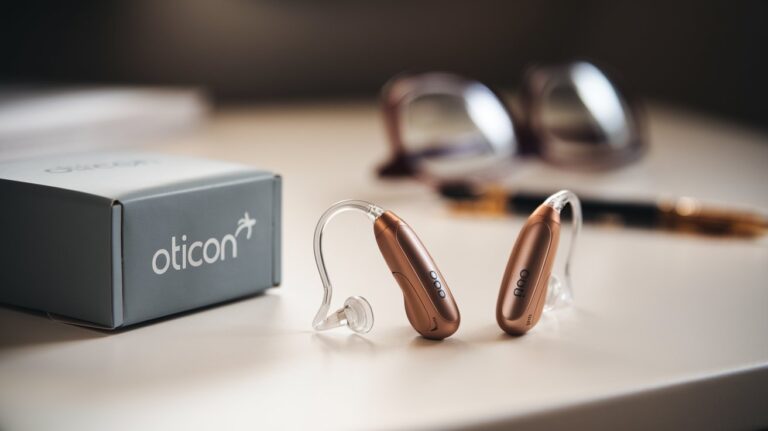
Oticon hearing aids background noise reduction technology leads the industry with their BrainHearing technology. Their More and Real series devices process sounds more naturally, reducing listening effort by up to 30% in noisy environments. Oticon’s OpenSound Navigator analyzes the complete sound environment 100 times per second, making rapid adjustments to optimize speech clarity while minimizing distracting background sounds.
Premium Noise Cancelling Options
For severe background noise challenges, noise cancelling hearing aids offer the most advanced solutions. These devices combine traditional amplification with active noise cancellation technology similar to premium headphones. Brands like Signia and Phonak offer specialized models that reduce ambient noise by up to 50% while maintaining natural sound quality for speech and important environmental cues.
Practical Techniques to Reduce Hearing Aid Background Noise
Beyond technology, practical strategies significantly impact your ability to reduce background noise in daily situations. These proven techniques, recommended by audiologists across the United States, help maximize your hearing aid’s effectiveness in challenging environments.
Optimal Positioning and Environmental Awareness
Strategic positioning reduces hearing aid background noise too loud situations by 40-50%. Face the person speaking directly, keep background noise sources behind you, and position yourself away from air conditioning units, kitchen equipment, or traffic noise. In restaurants, request corner booths or tables away from high-traffic areas to minimize competing sounds.
Volume and Program Adjustments
Understanding that hearing aid volume isn’t like TV volume prevents common mistakes that worsen background noise problems. Instead of simply increasing overall volume, use your device’s dedicated noise reduction programs or smartphone app controls. Most modern hearing aids offer 3-5 specialized programs optimized for different environments, including specific settings for noisy restaurants, outdoor activities, and crowded spaces.
Training Your Brain to Filter Background Noise Better
Auditory training exercises help your brain adapt to hearing aid background noise challenges more effectively. Research from Johns Hopkins University demonstrates that structured listening practice improves speech understanding in noise by 20-30% within 6-8 weeks of consistent training.
Daily practice sessions lasting 10-15 minutes focus on distinguishing speech from background sounds. Use smartphone apps designed for auditory rehabilitation, practice listening to audiobooks in gradually noisier environments, or engage in conversation practice with background music or TV sounds playing quietly. These exercises strengthen your brain’s ability to focus on important sounds while ignoring distractions.
When Hearing Aid Background Noise Indicates Professional Help
Persistent hearing aid background noise too loud issues despite proper settings and techniques may indicate the need for professional adjustment or device replacement. Schedule an audiologist appointment if background noise interferes with daily activities, causes listening fatigue, or prevents you from enjoying social situations.
Signs requiring professional intervention include constant whistling or feedback, inability to hear speech in quiet environments, or dramatic changes in your device’s noise handling performance. Modern hearing aids for clarity not volume should provide comfortable listening experiences without overwhelming background amplification, and professional fine-tuning ensures optimal performance for your specific hearing loss pattern.
Assistive Listening Devices for Extra Noise Reduction
Assistive listening devices complement hearing aids by providing additional noise reduction in specific situations. FM systems, infrared devices, and Bluetooth streamers connect directly to your hearing aids, bypassing background noise entirely for crystal-clear sound transmission.
Popular options include personal FM systems for lectures or meetings, TV streamers that deliver audio directly to your hearing aids, and smartphone apps that use your phone’s microphone as a remote microphone system. These devices prove especially valuable in large venues, houses of worship, or theaters where traditional hearing aids struggle with distance and reverberation challenges.
Specialized Hearing Aids for Unique Noise Environments
Specific activities require specialized noise reduction approaches beyond standard hearing aids. Musicians, hunters, and industrial workers need devices tailored to their unique acoustic challenges and safety requirements.
Hearing Aids with Noise Cancelling for Shooting
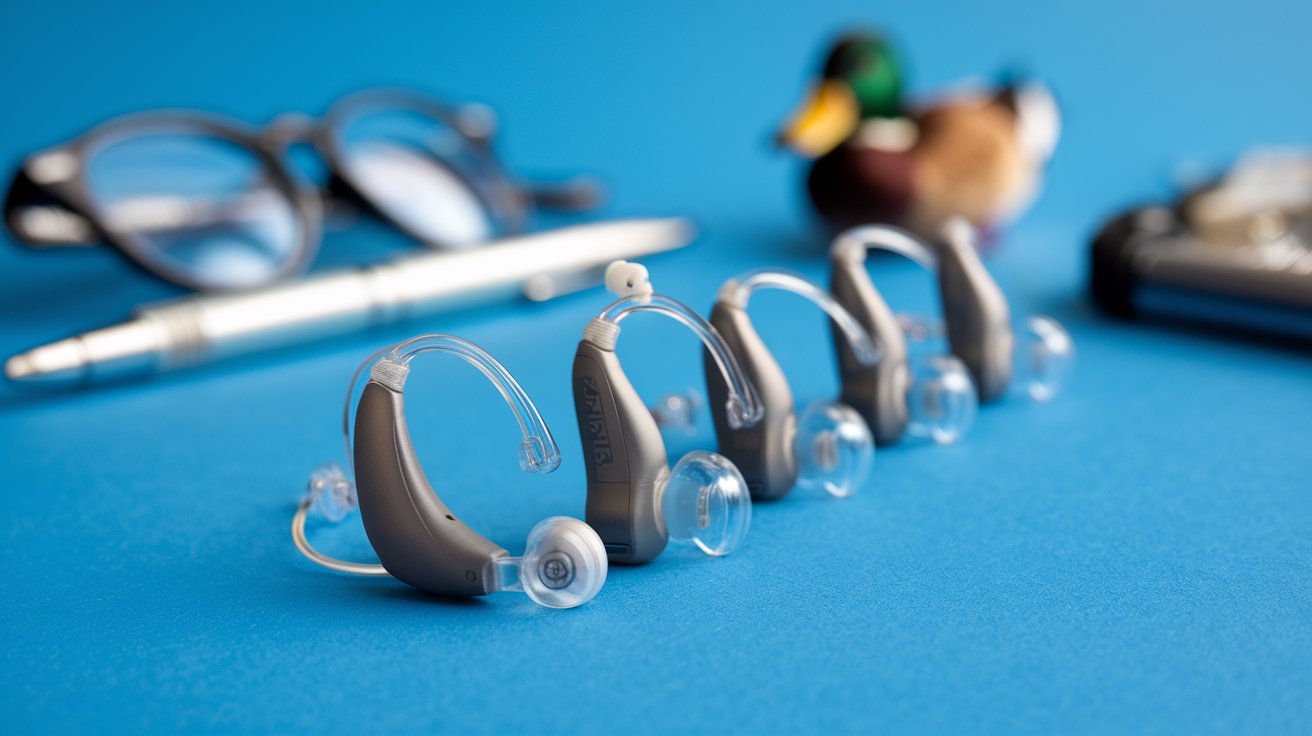
Hearing aids with noise cancelling for shooting incorporate instant sound compression that protects against loud gunshot noise while maintaining normal conversation ability. These specialized devices react within milliseconds to suppress dangerous sound levels while preserving directional hearing for safety and communication during hunting or target practice activities.
Tinnitus and Background Noise Management
Noise cancelling hearing aids for tinnitus address the dual challenge of hearing loss and ringing in the ears. These devices combine amplification with sound therapy features, using gentle background sounds or white noise to mask tinnitus while improving overall hearing. The combination approach reduces the perception of both tinnitus and environmental background noise, providing comprehensive relief for complex hearing challenges.
Related video about hearing aid background noise
This video complements the article information with a practical visual demonstration.
Questions & Answers
How do I reduce background noise with a hearing aid?
Reduce hearing aid background noise by using your device’s noise reduction programs, positioning yourself strategically away from noise sources, and ensuring proper fitting and programming. Modern hearing aids offer dedicated noise reduction settings that can decrease background noise by 40-60% while preserving speech clarity.
Why do I struggle to hear when there is background noise?
You struggle to hear in background noise because hearing loss affects your brain’s ability to separate important sounds from distracting ones. Even with hearing aids, damaged hair cells cannot provide the detailed frequency information your brain needs to filter sounds effectively, requiring technological assistance and training to improve.
Why does my hearing aid have background noise?
Your hearing aid has background noise because it amplifies all sounds in your environment, not just speech. Without advanced digital processing and proper programming, hearing aids cannot distinguish between wanted and unwanted sounds, resulting in amplified environmental noise alongside the sounds you want to hear.
What is the best hearing aid to reduce background noise?
The best hearing aid to reduce background noise features directional microphones, advanced digital noise reduction, and multiple environmental programs. Top-rated models include Oticon More, Phonak Paradise, and ReSound ONE, which offer 50-60% noise reduction capabilities in challenging listening environments.
Do hearing aids for clarity not volume really work?
Hearing aids for clarity not volume work by focusing on frequency-specific amplification and noise reduction rather than overall loudness. These devices use advanced signal processing to enhance speech frequencies while suppressing background noise, providing clearer understanding without uncomfortable volume levels.
How long does it take to adjust to hearing aid background noise?
Adjusting to hearing aid background noise typically takes 2-6 weeks with consistent wear and practice. Your brain needs time to relearn sound processing and adapt to amplified environments. Gradual exposure to increasingly challenging listening situations helps accelerate the adaptation process and improve overall satisfaction.
| Noise Reduction Method | Effectiveness Level | Best Use Cases |
|---|---|---|
| Digital Noise Reduction | 40-60% improvement | General daily activities |
| Directional Microphones | 25-35% better speech understanding | Conversations, meetings |
| Environmental Programs | 30-45% noise reduction | Restaurants, crowds |
| Assistive Listening Devices | 50-70% clearer sound | TV, phone calls, lectures |
| Auditory Training | 20-30% improvement over time | Long-term adaptation |