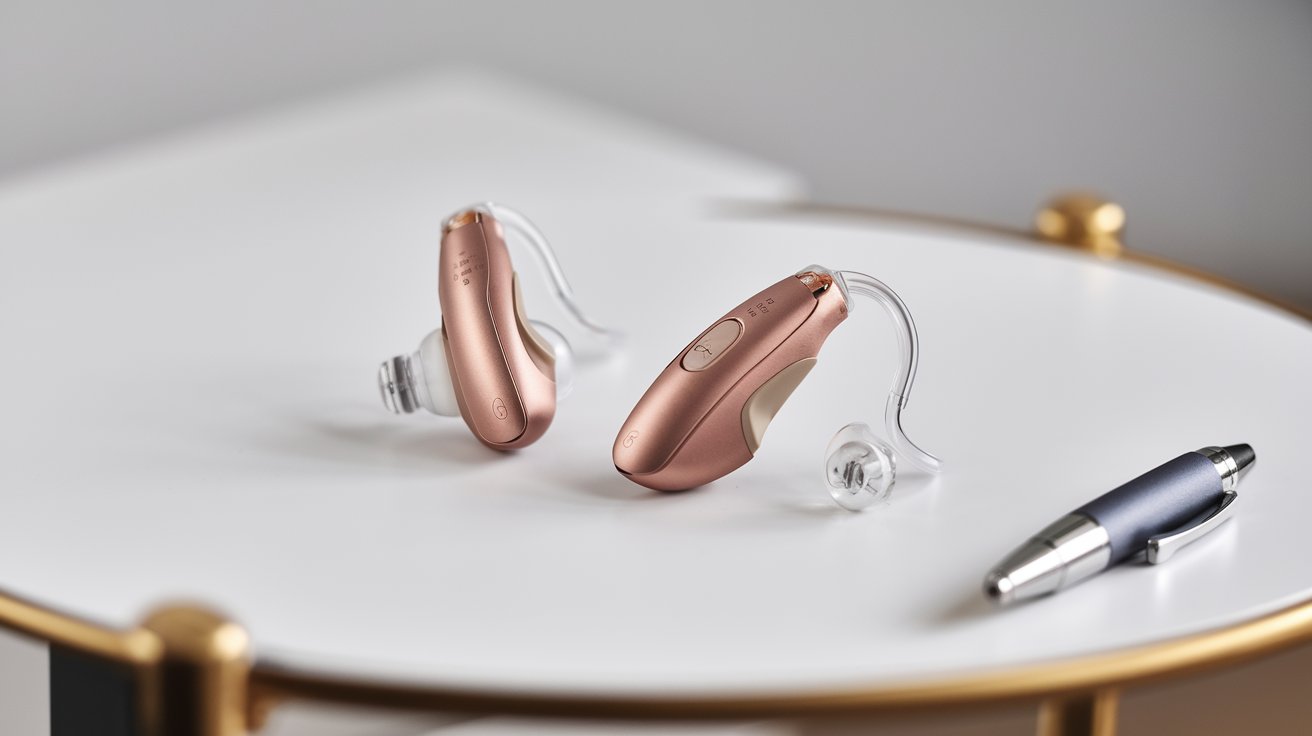
First Week with Hearing Aids: Complete Guide & Tips
Your first week with hearing aids marks the beginning of a transformative journey toward better hearing. With over 48 million Americans experiencing hearing loss in 2024, understanding what to expect during this crucial adjustment period can make the difference between success and frustration. This comprehensive guide provides essential strategies to navigate your initial hearing aid experience effectively.
What to Expect During Your First Week with Hearing Aids
The first week with hearing aids involves significant neural adaptation as your brain reprocesses sounds it may not have heard clearly for years. During this period, you’ll experience heightened awareness of environmental sounds like footsteps, paper rustling, and air conditioning hums that were previously masked by hearing loss. Your auditory cortex requires approximately 30-90 days for complete adjustment, but the most dramatic changes occur within the first seven days.
Research from the American Speech-Language-Hearing Association indicates that 85% of new hearing aid users report noticeable improvement in sound clarity by day three. However, hearing aid adjustment varies significantly among individuals based on factors including degree of hearing loss, age at fitting, and previous hearing aid experience. Initial discomfort, sound distortion, and fatigue are completely normal responses as your auditory system adapts to amplified input.
Physical Sensations and Comfort Issues
During your first week wearing hearing aids, physical discomfort is common as your ears adapt to the new devices. Mild soreness, itching, or a plugged sensation affects approximately 70% of new users according to 2024 audiological surveys. These sensations typically resolve within 3-5 days as your ear canals adjust to the presence of the devices and any custom molds settle into their optimal position.
Sound Quality Changes Throughout the Week
Sound quality evolution during your first week with hearing aids follows predictable patterns. Initially, voices may sound tinny or mechanical, but by day four, most users report more natural speech perception. Environmental sounds like traffic, birds, or household appliances become increasingly comfortable as your brain learns to process and prioritize different audio inputs effectively.
Daily Hearing Aid Wear Schedule for Optimal Adjustment
Establishing a proper wearing schedule during your first week with hearing aids significantly impacts long-term success. Audiologists recommend starting with 2-4 hours on day one, gradually increasing wear time by 1-2 hours daily until you achieve 8-12 hours of comfortable use. This progressive approach allows your auditory system to adapt without overwhelming your brain with excessive stimulation.
The optimal hearing aid adjustment guide suggests wearing devices in quiet environments initially, then gradually introducing more challenging listening situations. By day seven, most users can comfortably wear their hearing aids for 6-8 hours in moderately noisy environments. Pushing too hard too fast often leads to auditory fatigue and negative associations with the devices.
Week One Daily Schedule Breakdown
Days 1-2: Wear hearing aids 2-3 hours in quiet home environments, focusing on familiar sounds like television, conversation, and household activities. Days 3-4: Increase to 4-5 hours, introducing mild background noise like soft music or outdoor sounds. Days 5-7: Progress to 6-8 hours, gradually including social situations and moderate noise environments while monitoring comfort levels.
Signs You’re Pushing Too Hard
Recognizing overuse during your first week with hearing aids prevents setbacks in the adjustment process. Warning signs include persistent headaches, ear pain lasting more than 30 minutes after removal, excessive fatigue, or developing negative feelings toward the devices. If these symptoms occur, reduce daily wear time by 1-2 hours and consult your audiologist for personalized guidance.
Common Challenges and How to Overcome Them
The most frequent challenges during your first week with hearing aids include sound overwhelm, speech clarity issues, and device management difficulties. Approximately 60% of new users report feeling overwhelmed by previously unnoticed background sounds, while 45% struggle with understanding speech in noisy environments according to 2024 hearing industry data.
Effective hearing aid tips and tricks for managing these challenges include using noise reduction settings, practicing listening exercises, and maintaining realistic expectations. Remember that your brain needs time to relearn how to filter and prioritize sounds effectively. Most adjustment issues resolve naturally within 2-4 weeks with consistent use and proper support.
Managing Sound Overwhelm
Sound overwhelm during your first week with hearing aids occurs when your brain struggles to process the increased audio input. Combat this by starting in quiet environments, using your devices’ volume controls to find comfortable levels, and taking breaks when feeling fatigued. Modern hearing aids offer environmental programs that automatically adjust to different sound settings.
Speech Understanding Difficulties
Speech clarity issues are normal during initial hearing aid adjustment as your brain relearns to distinguish speech from background noise. Practice active listening techniques, position yourself to see speakers’ faces, and don’t hesitate to ask people to repeat themselves. Most users notice significant speech understanding improvement by week two.
Brain Adaptation Process During the First Week
Understanding what happens to your brain when you start wearing hearing aids helps set realistic expectations for the adjustment period. Neuroplasticity allows your auditory cortex to reorganize and strengthen neural pathways that may have weakened due to hearing loss. This process, called auditory training, begins immediately but requires weeks to months for completion.
Research published in the Journal of the American Academy of Audiology demonstrates that consistent hearing aid use during the first month creates lasting positive changes in brain structure and function. The brain’s adjustment to hearing aids involves multiple areas including the auditory cortex, temporal lobe, and frontal regions responsible for speech processing and attention.
Essential Hearing Aid Care During Week One
Proper device maintenance during your first week with hearing aids establishes habits crucial for long-term success. Daily cleaning with provided tools, proper storage in dehumidifying cases, and battery management significantly impact device performance and longevity. New users should inspect their hearing aids each morning for wax buildup, moisture, or damage before insertion.
Essential care tasks include wiping devices with soft, dry cloths, checking for proper fit, and ensuring battery contacts remain clean. Many 2024 hearing aid models feature smartphone apps that provide battery status, usage statistics, and maintenance reminders to support new users during the critical adjustment period.
Daily Cleaning Routine
Establish a consistent cleaning routine during your first week with hearing aids to prevent wax buildup and moisture damage. Remove devices each evening, wipe external surfaces with provided cleaning cloths, and check for debris in sound outlets. Store hearing aids in dehumidifying cases overnight to remove moisture accumulated during wear.
Battery Management Tips
Effective battery management during your first week with hearing aids prevents unexpected device failure. Traditional zinc-air batteries last 3-7 days depending on usage, while rechargeable models require nightly charging. Keep spare batteries readily available and learn to recognize low-battery warning signals to avoid interruptions in your adjustment process.
Working with Your Audiologist During Initial Adjustment
Maintaining close communication with your audiologist during your first week with hearing aids ensures optimal outcomes and addresses concerns promptly. Schedule follow-up appointments within 7-14 days of initial fitting to discuss comfort, sound quality, and any adjustment challenges. Professional fine-tuning based on real-world experience significantly improves satisfaction rates.
Modern hearing aids offer extensive programming options that can be adjusted based on your specific experiences during the first week. Your audiologist can modify frequency response, noise reduction settings, and program options to better match your lifestyle and listening preferences. Don’t hesitate to report any discomfort or dissatisfaction during this critical period.
Bluetooth and Technology Features for New Users
Understanding Bluetooth hearing aids side effects and benefits helps new users maximize their devices’ technological capabilities. While Bluetooth connectivity offers seamless streaming from phones, tablets, and televisions, some users experience increased battery drain or connectivity issues during the first week. Learning to manage these features gradually prevents overwhelm during initial adjustment.
Start with basic functions during your first week with hearing aids before exploring advanced features like smartphone apps, directional microphones, or environmental programs. Most 2024 hearing aid models include artificial intelligence that learns your preferences automatically, reducing the need for manual adjustments as you become more experienced with the technology.
Social Situations and Communication Strategies
Navigating social interactions during your first week with hearing aids requires patience and strategic planning. Start with one-on-one conversations in quiet environments before progressing to group settings or noisy restaurants. Inform family and friends about your adjustment period and ask for their support in creating optimal listening conditions.
Effective communication strategies include positioning yourself to see speakers’ faces, choosing seats with your back to noise sources, and using hearing aid accessories like remote microphones when available. Remember that successful hearing aid adjustment extends beyond the devices themselves to include developing new listening skills and communication techniques.
Related video about first week with hearing aids
This video complements the article information with a practical visual demonstration.
Key Questions and Answers
How long should I wear my hearing aids when I first get them?
During your first week with hearing aids, start with 2-3 hours daily and gradually increase wear time by 1-2 hours each day. By day seven, aim for 6-8 hours of comfortable use. This progressive approach allows your brain and ears to adjust without overwhelming your auditory system with excessive stimulation.
Is it normal for hearing aids to hurt at first?
Yes, mild discomfort during your first week with hearing aids is completely normal. Approximately 70% of new users experience ear soreness, itching, or fullness that typically resolves within 3-5 days. However, severe pain or persistent discomfort lasting more than a week requires professional adjustment from your audiologist.
What happens to your brain when you start wearing hearing aids?
When you start wearing hearing aids, your brain begins reorganizing neural pathways through neuroplasticity. The auditory cortex strengthens connections that may have weakened due to hearing loss, improving sound processing and speech understanding. This adaptation process starts immediately but requires 30-90 days for complete adjustment.
What should I expect during my first week with hearing aids?
During your first week with hearing aids, expect heightened awareness of environmental sounds, initial speech distortion that gradually improves, mild physical discomfort, and some fatigue. These experiences are normal as your brain adapts to amplified sound input. Most users report significant improvement in comfort and sound quality by day four.
How long does it take your brain to adjust to hearing aids?
Brain adjustment to hearing aids typically takes 30-90 days for complete adaptation, with the most significant changes occurring in the first week. The auditory cortex requires time to reorganize and strengthen neural pathways. Consistent daily use during this period is crucial for optimal brain adaptation and long-term success.
Can I wear hearing aids with glasses comfortably?
Yes, wearing hearing aids with glasses is comfortable once properly fitted. During your first week, you may notice initial pressure behind your ears, but this typically resolves as you adjust. Behind-the-ear hearing aids work well with glasses, and your audiologist can ensure proper positioning to prevent discomfort or feedback issues.
| First Week Milestone | Expected Experience | Success Indicator |
|---|---|---|
| Days 1-2 | 2-3 hours wear, sound awareness increase | Comfortable insertion and removal |
| Days 3-4 | 4-5 hours wear, speech clarity improves | Natural conversation understanding |
| Days 5-7 | 6-8 hours wear, social situations manageable | Reduced fatigue and sound overwhelm |